Kurzinfo
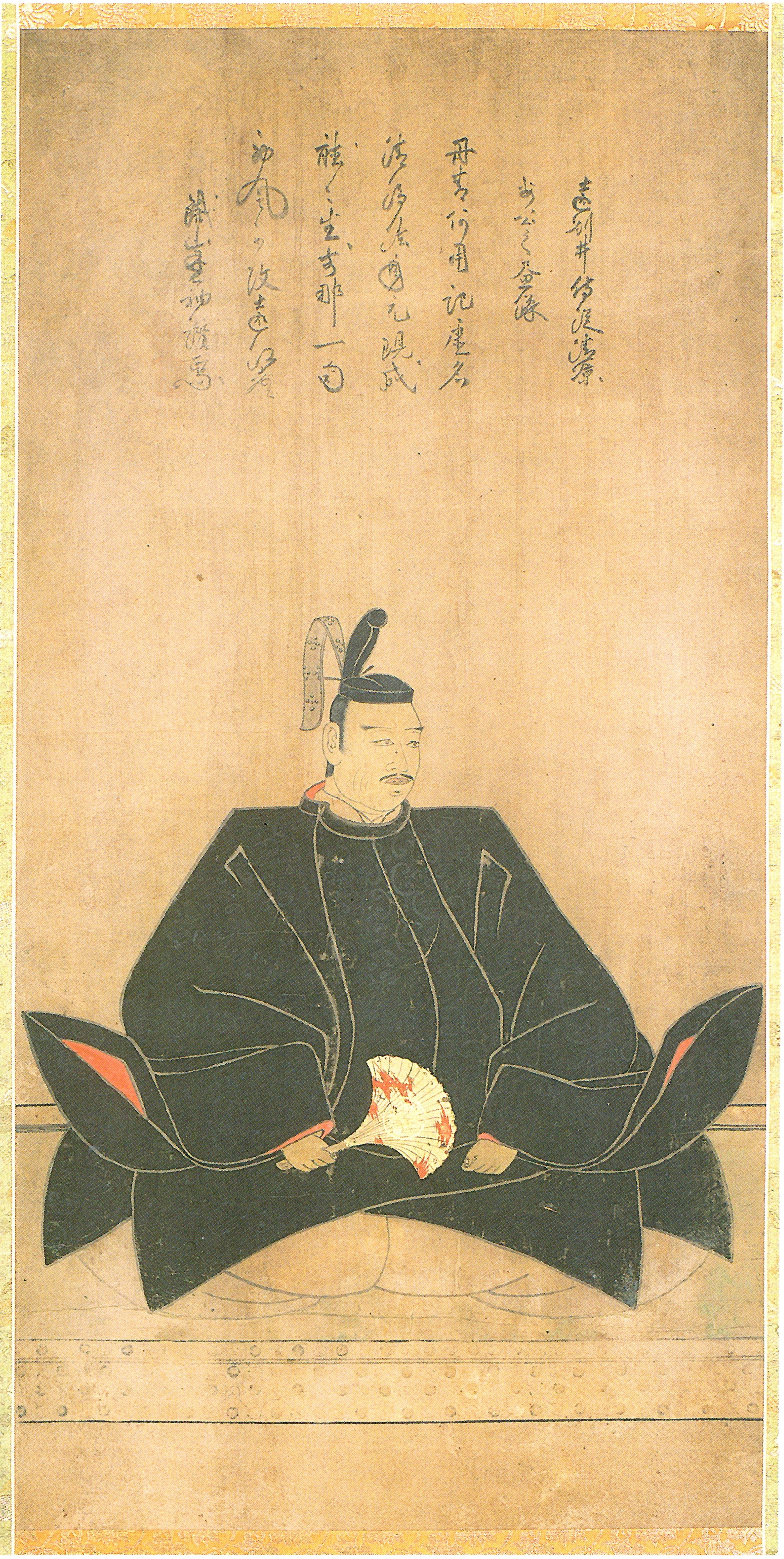
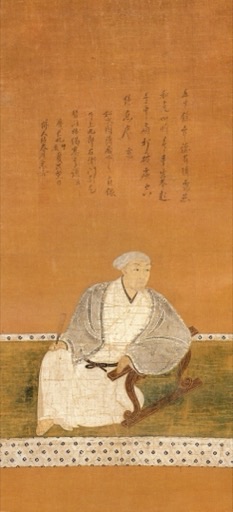
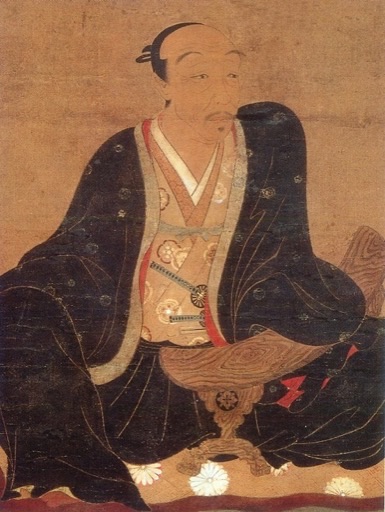
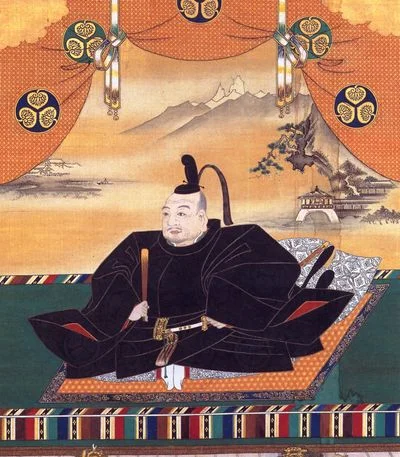
Geduld, Ausdauer, Sieg. Shogun, der Japans Buergerkriege fuer 250 Jahre beendete.
Gesprächseinstiege
Lebensweg
Tokugawa Ieyasu wurde als Matsudaira Takechiyo geboren, Sohn von Matsudaira Hirotada, einem kleinen Daimyo zwischen den maechtigen Imagawa- und Oda-Clans. Seine Geburt fiel in die turbulente Sengoku-Zeit staendiger Kriege.
Der junge Takechiyo wurde als politische Geisel zum Imagawa-Clan geschickt, um das Buendnis seines Vaters zu sichern. Er wurde jedoch von Oda-Truppen abgefangen und stattdessen von Oda Nobuhide als Geisel gehalten.
Nach der Ermordung seines Vaters Hirotada durch eigene Gefolgsleute wurde Takechiyo ausgetauscht und wie urspruenglich geplant zum Imagawa-Clan geschickt. Er verbrachte seine praegenden Jahre als Geisel in Sunpu.
Takechiyo durchlief unter Imagawa-Aufsicht seine Genpuku-Volljahrigkeitszeremonie und nahm den Erwachsenennamen Matsudaira Motoyasu an. Ihm wurde erlaubt nach Okazaki zurueckzukehren, blieb aber Imagawa-Vasall.
Ieyasu heiratete seine erste Frau Lady Tsukiyama, eine Verwandte von Imagawa Yoshimoto. Diese politische Ehe wurde vom Imagawa-Clan arrangiert. Sie sollte ihm spaeter seinen ersten Sohn Nobuyasu gebaeren.
Als Oda Nobunaga Imagawa Yoshimoto in der Schlacht von Okehazama toetete, ergriff Ieyasu die Gelegenheit sich von der Imagawa-Kontrolle zu befreien. Er eroberte Burg Okazaki zurueck und begann seine eigene Machtbasis aufzubauen.
Ieyasu traf die entscheidende Entscheidung sich mit Oda Nobunaga zu verbuenden. Dieses Buendnis sollte ueber zwanzig Jahre dauern und fuer den Aufstieg beider Maenner entscheidend sein. Er aenderte seinen Namen in Tokugawa Ieyasu.
Der Verschwoerung mit dem Takeda-Clan beschuldigt wurde Lady Tsukiyama hingerichtet und ihr Sohn Nobuyasu zum rituellen Selbstmord gezwungen. Dieser tragische Vorfall zeigte Ieyasus Bereitschaft Familie fuer politisches Ueberleben zu opfern.
Ieyasu fuehrte seine Truppen in der Schlacht von Anegawa an Nobunagas Seite gegen die Azai- und Asakura-Clans. Dieser Sieg staerkte das Oda-Tokugawa-Buendnis und erweiterte ihre territoriale Kontrolle.
Ieyasu trat dem legendaeren Takeda Shingen gegenueber und erlitt eine seiner schlimmsten militaerischen Niederlagen. Er entkam knapp mit dem Leben und diese Erfahrung lehrte ihn den Wert von Geduld und die Gefahren uebereilten Handelns.
An Nobunagas Seite kaempfend half Ieyasu einen entscheidenden Sieg ueber den Takeda-Clan durch innovative Massenmusketen-Taktiken zu erringen. Diese Schlacht brach Takedas Militaermacht und sicherte Ieyasus oestliche Grenzen.
Als Nobunaga von Akechi Mitsuhide getoetet wurde befand sich Ieyasu in verwundbarer Position nahe Kyoto. Mit Ninja-Hilfe unternahm er eine gefaehrliche Flucht durch die Provinz Iga und entkam knapp einem Attentat.
Im Komaki-Nagakute-Feldzug bestritt Ieyasu Hideyoshis Anspruch auf Nobunagas Erbe. Obwohl er taktische Siege errang verhandelte Ieyasu schliesslich Frieden und erkannte Hideyoshis ueberlegene Ressourcen an.
Ieyasu unterwarf sich formell Toyotomi Hideyoshi und reiste nach Osaka um ihm Respekt zu zollen. Er heiratete Hideyoshis Schwester und schickte seine Mutter als Geisel um seine Position als Hideyoshis maechtigster Vasall zu sichern.
Nachdem Hideyoshi den Hojo-Clan erobert hatte wurde Ieyasu befohlen in die Kanto-Region zu ziehen. Er waehlte das kleine Fischerdorf Edo als Hauptquartier das schliesslich zu Tokio werden sollte.
Nach Hideyoshis Tod wurde Ieyasu einer von fuenf Regenten fuer den jungen Erben Hideyori. Als maechtigster Daimyo mit 2,5 Millionen Koku begann er zu manoeverieren um die Kontrolle ueber Japan zu uebernehmen.
Ieyasu fuehrte die Ostarmee zum Sieg gegen die Westarmee in der groessten Samurai-Schlacht der Geschichte. Ueber 160.000 Krieger kaempften und Ieyasus Sieg gab ihm die Kontrolle ueber Japan und veraenderte die Geschichte fuer immer.
Kaiser Go-Yozei ernannte Ieyasu zum Sei-i Taishogun und gruendete das Tokugawa-Shogunat. Dies begann 265 Jahre Tokugawa-Herrschaft und die friedliche Edo-Periode die die japanische Gesellschaft transformierte.
In der Sommerbelagerung von Burg Osaka zerstoerten Ieyasus Truppen schliesslich den Toyotomi-Clan. Hideyori beging Selbstmord und die Burg fiel womit die letzte Bedrohung der Tokugawa-Vorherrschaft beseitigt wurde.
Tokugawa Ieyasu starb auf Burg Sunpu wahrscheinlich an Magenkrebs. Er wurde posthum als Tosho Daigongen vergoettlicht. Seine geduldige Strategie und sein politisches Genie schufen eine Dynastie die Japan 250 Jahre Frieden brachte.