Quick Facts
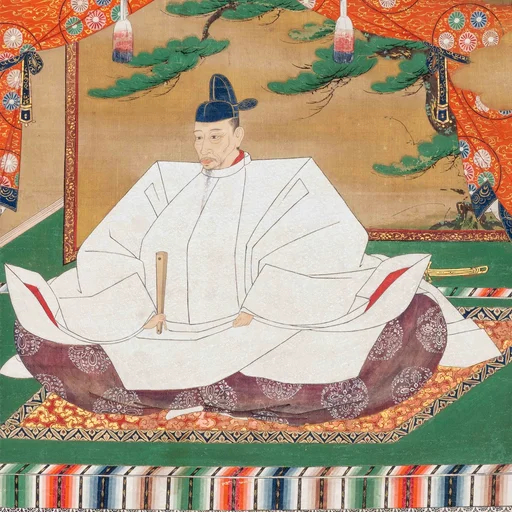
From humble peasant origins to supreme ruler of Japan, this cunning strategist unified a war-torn nation through wit, ambition, and unprecedented military genius.
Conversation Starters
Life Journey
Toyotomi Hideyoshi was born to a peasant family in Nakamura village. His father Yaemon was an ashigaru foot soldier who died when Hideyoshi was young. Named Hiyoshimaru at birth, he would later become the most powerful man in Japan.
Young Hideyoshi left his home to seek his fortune, initially serving various masters. His small stature and monkey-like features earned him the nickname 'Saru' (monkey), but his quick wit and resourcefulness soon became evident.
Hideyoshi entered the service of the rising warlord Oda Nobunaga as a sandal-bearer. Legend says he warmed Nobunaga's sandals in his kimono on cold mornings. His humble position belied his future greatness.
Hideyoshi married Nene, who would become his lifelong companion and advisor. Despite his later affairs, Nene remained his principal wife and confidante. Their partnership was both personal and political.
In a legendary feat of engineering and logistics, Hideyoshi constructed a fort at Sunomata virtually overnight using prefabricated parts floated down the river. This brilliant stratagem helped Nobunaga conquer Mino Province.
After proving himself in numerous campaigns, Hideyoshi was granted Nagahama Castle and surrounding lands. He took the surname Hashiba, combining characters from senior Oda retainers' names to show his loyalty and ambition.
Nobunaga entrusted Hideyoshi with the crucial western campaign against the powerful Mori clan. This multi-year campaign would showcase Hideyoshi's strategic genius, including his famous water attack on Takamatsu Castle.
When Akechi Mitsuhide betrayed and killed Nobunaga at Honno-ji, Hideyoshi was besieging Takamatsu Castle. He quickly made peace with the Mori and force-marched his army back in what became known as the 'Great Return.'
Just thirteen days after Nobunaga's death, Hideyoshi crushed Akechi Mitsuhide's forces at Yamazaki. This decisive victory positioned him as Nobunaga's true successor and avenger, dramatically elevating his status.
Hideyoshi defeated his rival Shibata Katsuie at the Battle of Shizugatake, eliminating the last major challenger to his succession of Nobunaga's legacy. The 'Seven Spears of Shizugatake' became legendary.
The Emperor appointed Hideyoshi as Kampaku, the highest position a non-imperial subject could attain. A peasant-born man holding this noble office was unprecedented in Japanese history, marking his complete social ascent.
The Emperor granted Hideyoshi the new surname 'Toyotomi,' meaning 'abundant minister.' This imperial recognition created a new noble house and legitimized his rule. He also received the title Daijo-daijin (Grand Minister).
Hideyoshi led a massive army of over 200,000 to subdue the Shimazu clan and bring Kyushu under his control. The campaign demonstrated his ability to mobilize unprecedented military resources and project power across Japan.
The Sword Hunt (Katanagari) confiscated weapons from peasants, ostensibly to build a great Buddha statue. In reality, it enforced class distinctions and prevented uprisings. This policy shaped Japan's rigid class system for centuries.
Hideyoshi's siege of Odawara Castle forced the surrender of the Hojo clan, completing the unification of Japan. With over 200,000 troops, it was history's largest siege. Japan was finally at peace under one ruler.
Hideyoshi launched an ambitious invasion of Korea with dreams of conquering China. Initial successes were reversed by Korean naval victories under Admiral Yi Sun-sin and Ming Chinese intervention. The campaign proved costly.
His concubine Yodo-dono bore him a son, Hideyori. This birth tragically led Hideyoshi to order the death of his nephew and adopted heir Hidetsugu. Hideyori's youth would prove fatal to the Toyotomi clan after Hideyoshi's death.
Toyotomi Hideyoshi died at Fushimi Castle, leaving his young son Hideyori in the care of the Five Regents. His final poem spoke of his life as fleeting as morning dew. Within two decades, his clan would be destroyed by Tokugawa Ieyasu.