Datos rápidos
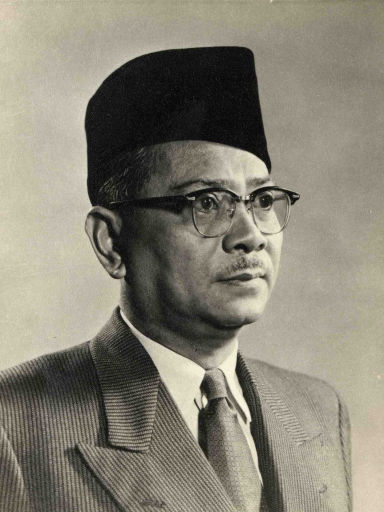
Arquitecto de la independencia de Malasia, que forjó una coalición multirracial y guio a la nación durante sus primeros y frágiles años.
Inicios de conversación
Trayectoria vital
Nació como Tunku Abdul Rahman Putra Al-Haj en Alor Setar, hijo del sultán Abdul Hamid Halim Shah y de Cik Menjalara. Su crianza combinó la tradición palaciega con el contacto con la administración colonial británica en Kedah.
Asistió a escuelas locales en Kedah, aprendiendo costumbres malayas mientras vivía bajo la influencia británica en los Estados Malayos. Estos años formativos agudizaron su conciencia sobre la clase social, la etnicidad y el poder colonial.
Pasó parte de su juventud estudiando en Bangkok, reflejo de los lazos familiares vinculados a Siam y a las fronteras cambiantes de la región. La experiencia amplió su visión más allá de Kedah y lo expuso a un sudeste asiático cosmopolita.
Viajó al Reino Unido y estudió en el St Catharine’s College de la Universidad de Cambridge, en la etapa posterior a la Primera Guerra Mundial. Vivir en Gran Bretaña lo acercó a la política parlamentaria y a una formación jurídica moderna.
Fue admitido como abogado en el Inner Temple, obteniendo credenciales que más tarde reforzaron sus argumentos constitucionales en las negociaciones. La formación legal le ayudó a desenvolverse entre estatutos coloniales y crecientes demandas nacionalistas.
Regresó a Malaya y trabajó en la administración de Kedah, atendiendo la gestión cotidiana y las preocupaciones rurales. El empleo lo ancló a la realidad local y a los límites de la burocracia de la era colonial.
Durante la Segunda Guerra Mundial, fuerzas japonesas ocuparon Malaya, desestabilizando instituciones y agravando las penurias en todas las comunidades. La ocupación aceleró el sentimiento nacionalista y convenció a muchas élites de que el autogobierno era urgente.
Se unió a la Organización Nacional de los Malayos Unidos cuando los malayos se movilizaron contra la propuesta de la Unión Malaya. La lucha forjó su confianza en la negociación constitucional, a la vez que defendía la soberanía malaya y la monarquía.
Tras el colapso del proyecto político de Onn Jaafar y los cambios internos del partido, ascendió a la dirección de la UMNO en 1951. Promovió la cooperación con partidos no malayos, buscando una vía multirracial viable hacia la independencia.
Se asoció con la Asociación China de Malaya, liderada por Tan Cheng Lock, construyendo el modelo de la Alianza mediante cooperación electoral local. El acuerdo intercambió garantías comunitarias por un gobierno compartido y una agenda unificada de independencia.
La Alianza ganó de forma contundente en las elecciones federales de 1955 y él se convirtió en Ministro Principal bajo supervisión británica. Su gobierno obtuvo legitimidad para negociar la independencia mientras gestionaba las presiones de seguridad de la Emergencia Malaya.
Encabezó una delegación a Londres para negociar arreglos constitucionales con líderes británicos y gobernantes malayos. Las conversaciones trazaron el camino hacia el autogobierno, equilibrando ciudadanía, federalismo y monarquía constitucional.
El 31 de agosto de 1957 proclamó la independencia en el Estadio Merdeka ante una multitud eufórica en Kuala Lumpur. Como primer primer ministro de Malaya, simbolizó una transición pacífica del imperio a una nación parlamentaria.
Impulsó la idea de una nueva federación que reuniera a Malaya, Singapur, Sabah y Sarawak para reforzar la seguridad regional. La propuesta se desarrolló en medio de tensiones de la Guerra Fría y debates sobre demografía y autonomía.
Malasia se formó en septiembre de 1963 y él supervisó la compleja integración inicial de los nuevos estados. Su gobierno enfrentó la confrontación con Indonesia y reclamaciones filipinas, lo que exigió determinación diplomática y unidad interna.
Las tensiones entre Kuala Lumpur y Singapur culminaron en la separación de Singapur en agosto de 1965, una dolorosa ruptura política. Trabajó con líderes, incluido Lee Kuan Yew, para evitar una agitación mayor y estabilizar la federación.
Tras las elecciones generales de 1969, estallaron disturbios violentos en Kuala Lumpur, sacudiendo la confianza en la convivencia entre comunidades. La crisis condujo al gobierno de emergencia y a un intenso debate dentro de la Alianza sobre el rumbo futuro de Malasia.
Renunció en 1970 y transfirió el poder a Abdul Razak Hussein, cuando Malasia entraba en una nueva era de políticas. Su salida marcó el final del capítulo del primer primer ministro fundador y de la política de independencia basada en coaliciones.
Murió en 1990, recordado como el padre de la independencia por conducir a Malaya a la independencia mediante la negociación y no la revolución. Los homenajes destacaron su capacidad de tejer coaliciones y su insistencia en el gobierno constitucional.