Quick Facts
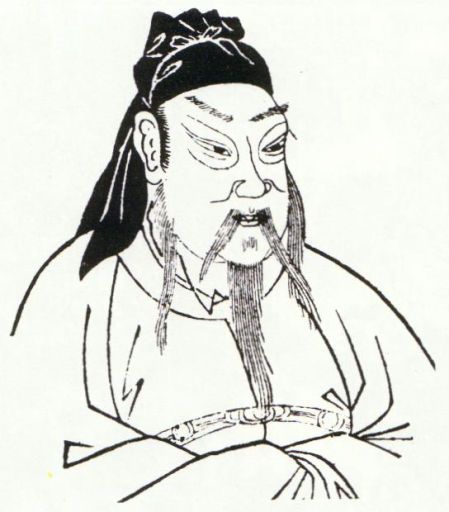
A brilliant Wei strategist and calligrapher whose ambition fueled conquest in Shu, then ended in a doomed rebellion.
Conversation Starters
Life Journey
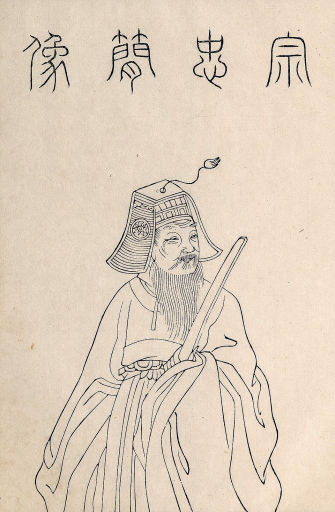
Born in Changshe, Yingchuan Commandery, into the elite Zhong clan. His father Zhong Yao served Cao Wei as a senior statesman and famed calligrapher, giving Zhong Hui strong court connections and education.
As a child he was trained in Confucian classics, administration, and literary arts within an aristocratic household. Tutors and visiting officials tied to Yingchuan’s gentry helped shape his early reputation for sharp intellect.
Zhong Hui became known among local elites for quick reading, strong recall, and incisive judgment. Such talk in Yingchuan gentry circles made him a promising candidate for service in Luoyang’s political world.
He began formal service in Cao Wei’s bureaucracy, benefiting from family prestige yet also demonstrating unusual administrative talent. Early assignments exposed him to memorial writing, personnel evaluation, and the realities of factional court politics.
As Sima Yi’s influence grew, Zhong Hui cultivated relationships with powerful decision-makers around the regency. His skill at drafting persuasive documents and reading political winds made him useful in high-level deliberations at court.
After Sima Yi’s coup against Cao Shuang at Gaoping Tombs, the court underwent purges and rapid realignment. Zhong Hui operated in this tense environment, learning how power, law, and military command intertwined in Wei governance.
His written proposals and strategic assessments impressed senior officials, who valued clear logic and practical recommendations. Zhong Hui’s reputation grew as someone who could translate broad political goals into actionable administrative or military plans.
Wei faced repeated uprisings and regional instability, forcing the court to mobilize armies and resources quickly. Zhong Hui contributed to planning and coordination, gaining experience in logistics, command structures, and assessing rival commanders’ intentions.
Under Sima Zhao’s leadership, Zhong Hui rose further, trusted for both intellect and ambition. He participated in policy discussions and evaluations of frontier strategy, positioning himself for a decisive role in campaigns against Shu Han.
With Sima Zhao seeking to unify China, Zhong Hui supported detailed plans for an invasion of Shu Han. He analyzed routes through Hanzhong and the Qinling region, arguing for coordinated thrusts to overwhelm Shu’s defenses.
Zhong Hui led one of the principal Wei forces into Shu, advancing through difficult terrain and pressuring key positions. His operations complemented Deng Ai’s daring maneuvers, creating multiple crises that stretched Shu’s command and supplies.
After Deng Ai reached Chengdu and Liu Shan surrendered, Shu Han collapsed with surprising speed. Zhong Hui entered the conquered capital amid surrender ceremonies and prisoner processing, suddenly holding enormous authority over Shu’s heartland.
Rivalry and distrust flared as Zhong Hui portrayed Deng Ai as insubordinate and dangerous to the regency. Using communications to Sima Zhao and control of local forces, he helped engineer Deng Ai’s arrest and removal from command.
With Deng Ai sidelined, Zhong Hui held concentrated power and began preparing a revolt against Sima Zhao. He tried to use Jiang Wei, the former Shu general, to rally troops and legitimize a new order from Chengdu’s command center.
Wei officers feared punishment and distrusted Zhong Hui’s intentions, sparking a violent mutiny within Chengdu. In the chaos, Zhong Hui was killed alongside many followers, ending his bid for independent power and sealing his infamous legacy.
After his death, the Wei court framed the uprising as treason, and associates were investigated amid a wider political reckoning. Yet later writers still noted his intellect and refined tastes, including ties to calligraphic and scholarly traditions.