Kurzinfo
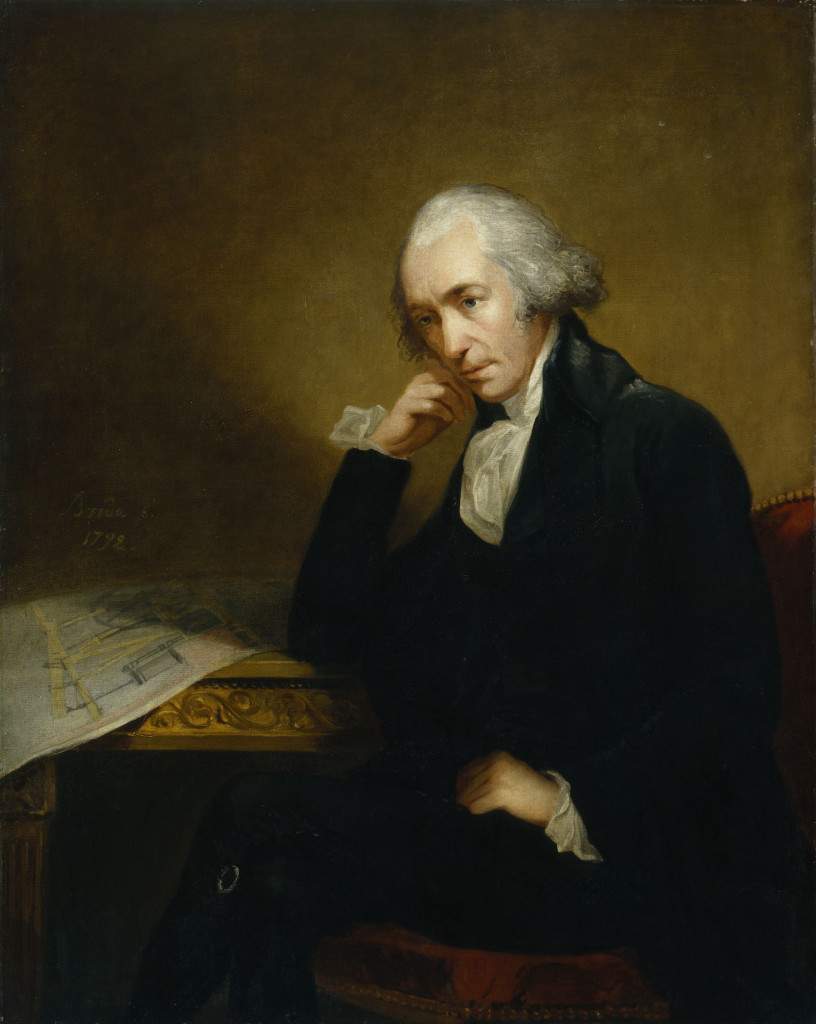
Der schottische Erfinder, der die Dampfmaschine verbesserte und die Industrielle Revolution vorantrieb.
Gesprächseinstiege
Lebensweg
James Watt wurde als Sohn von James Watt Sr., einem Schiffbauer und Unternehmer, und Agnes Muirhead, einer gebildeten Frau, geboren. Seine frühe Kindheit war von häufigen Krankheiten geprägt, die ihn oft vom regulären Schulbesuch abhielten.
Aufgrund seiner Gesundheitsprobleme erhielt der junge James einen Großteil seiner frühen Ausbildung zu Hause von seiner Mutter und durch Selbststudium. Er zeigte eine besondere Begabung für Mathematik und mechanische Fertigkeiten.
Watt zog nach London, um eine Ausbildung als mathematischer Instrumentenmacher zu absolvieren. Trotz der harten Bedingungen und langen Arbeitszeiten schloss er seine Ausbildung in nur einem Jahr ab und erlernte wertvolle Fähigkeiten und Techniken.
Nach seiner Ausbildung kehrte Watt nach Glasgow zurück und gründete sein eigenes Instrumentenmacher-Geschäft. Er hatte anfangs Schwierigkeiten aufgrund von Zunftbeschränkungen, erlangte aber schließlich Anerkennung für seine Arbeit.
Watt erhielt den Auftrag, eine Newcomen-Dampfmaschine für die Universität Glasgow zu reparieren. Dieses Projekt weckte sein Interesse an der Verbesserung der Effizienz von Dampfmaschinen, die im Bergbau und in der Industrie weit verbreitet waren.
Watt erfand den getrennten Kondensator, eine entscheidende Innovation, die die Effizienz von Dampfmaschinen erheblich verbesserte. Dieser Durchbruch reduzierte den Brennstoffverbrauch um etwa 75% im Vergleich zu bestehenden Konstruktionen.
John Roebuck, ein prominenter Industrieller, stellte finanzielle Unterstützung für Watt bereit, um seine Arbeit an der Dampfmaschine fortzusetzen. Diese Partnerschaft ermöglichte es Watt, sich ohne finanzielle Einschränkungen auf Entwicklung und Experimente zu konzentrieren.
Watt sicherte sich ein Patent für seine Erfindung des getrennten Kondensators, was ein entscheidender Schritt zum Schutz seines geistigen Eigentums und zur Sicherstellung des kommerziellen Erfolgs seiner verbesserten Dampfmaschine war.
Watt ging eine Partnerschaft mit Matthew Boulton ein, einem erfolgreichen Fabrikanten. Boulton stellte das Kapital und den Geschäftssinn zur Verfügung, die notwendig waren, um Watts Dampfmaschine zu kommerzialisieren, was zu ihrer weiten Verbreitung und zur Industriellen Revolution führte.
Die erste von Watt verbesserte kommerzielle Dampfmaschine wurde in einem kornischen Bergwerk installiert. Dies markierte den Beginn des weit verbreiteten Einsatzes von Watts Dampfmaschinen im Bergbau, was zu erheblichen Produktivitäts- und Effizienzsteigerungen führte.
Watt und Boulton verlängerten erfolgreich das Patent für die Dampfmaschine und sicherten sich damit das ausschließliche Recht an der Erfindung für weitere 25 Jahre. Diese Verlängerung war entscheidend für den kommerziellen Erfolg und die weite Verbreitung der Technologie.
Watt heiratete Ann MacGregor, eine Frau, die ihm während seiner arbeitsreichsten Jahre der Erfindung und des Geschäfts emotionale Unterstützung und Stabilität bot. Ihre Ehe war eine Quelle des Glücks und der Kameradschaft.
Watt erfand den Dampfmaschinen-Indikator, ein Gerät, das den Druck im Motorzylinder aufzeichnete. Dieses Werkzeug war unerlässlich für die Diagnose und Optimierung der Motorleistung und verbesserte die Effizienz von Dampfmaschinen weiter.
Watt entwickelte die rotierende Dampfmaschine, die Maschinen durch eine kontinuierliche Kreisbewegung antreiben konnte. Diese Innovation war entscheidend für die Mechanisierung von Industrien, insbesondere in der Textilherstellung.
James Watt Jr. wurde geboren, der erste von zwei Söhnen. James Jr. sollte später ein erfolgreicher Ingenieur und Geschäftsmann werden und das Vermächtnis seines Vaters im Bereich des Maschinenbaus fortsetzen.
Watt und Boulton gründeten die Soho Foundry, eine Produktionsstätte für hochwertige Dampfmaschinen. Die Gießerei spielte eine zentrale Rolle in der Industriellen Revolution und belieferte verschiedene Industrien mit Maschinen.
Watt zog sich aus dem aktiven Geschäftsbetrieb zurück und übergab die Leitung der Soho Foundry an seinen Sohn James Jr. und Boultons Sohn Matthew. Er arbeitete weiterhin an verschiedenen wissenschaftlichen und mechanischen Projekten.
Die Royal Society verlieh Watt die prestigeträchtige Copley-Medaille in Anerkennung seiner Beiträge zu Wissenschaft und Technik. Diese Ehrung würdigte seine bedeutende Rolle bei der Weiterentwicklung des Maschinenbaus.
James Watt starb in seinem Haus in Heathfield bei Birmingham. Seine Innovationen in der Dampfmaschinentechnologie hatten einen tiefgreifenden Einfluss auf die Industrielle Revolution, veränderten Industrien und prägten die moderne Welt.