Datos rápidos
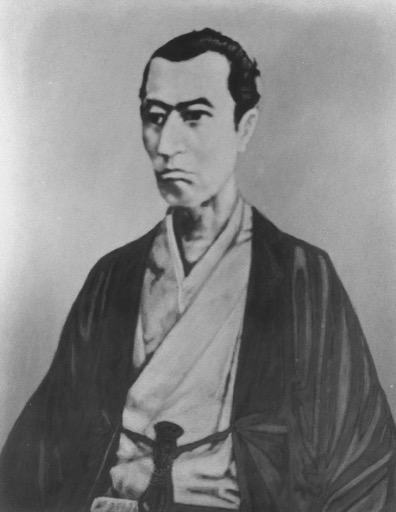
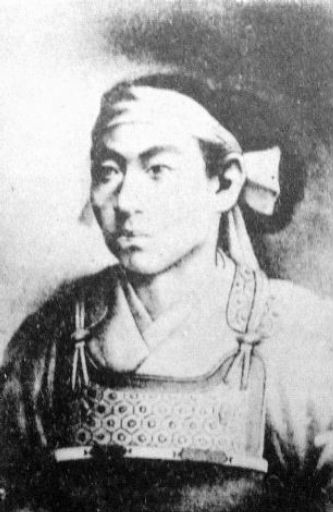
Un samurai revolucionario del Dominio de Choshu que fundo el Kiheitai, la primera milicia moderna de Japon que rompio con las distinciones de clase feudales. Su innovador ejercito de clases mixtas resulto decisivo en los conflictos que llevaron a la Restauracion Meiji.
Inicios de conversación
Trayectoria vital
Born into an upper-ranking samurai family in Choshu Domain. His privileged background gave him access to the best education, yet he would later champion the cause of commoners in his revolutionary militia.
Became one of the most brilliant students at Yoshida Shoin's Shoka Sonjuku academy. Shoin's teachings on loyalty, action, and national crisis profoundly shaped his revolutionary worldview.
His beloved teacher Yoshida Shoin was executed by the shogunate for plotting against the government. This tragedy deepened Takasugi's hatred of the Tokugawa regime and his commitment to revolution.
Traveled to Shanghai and witnessed firsthand the humiliation of China under Western imperialism. The experience convinced him that Japan must modernize rapidly or face the same fate.
Participated in the burning of the British legation under construction in Edo, demonstrating his commitment to the sonnō jōi (revere the emperor, expel the barbarians) movement.
Founded the Kiheitai (Irregular Militia), a revolutionary army that accepted commoners alongside samurai. This broke centuries of feudal tradition and created Japan's first modern military force.
Led Choshu forces in attacks on Western ships passing through the Shimonoseki Straits. Though ultimately unsuccessful, these actions demonstrated Choshu's defiance of both the shogunate and foreign powers.
Witnessed the devastating bombardment of Shimonoseki by a combined Western fleet. The defeat convinced him that Japan needed Western military technology, not just anti-foreign sentiment.
Led the Kiheitai in a coup against conservative forces within Choshu who sought peace with the shogunate. His victory ensured Choshu would continue its revolutionary path.
Commanded Choshu forces that defeated the shogunate's second punitive expedition. This stunning victory proved the shogunate's military weakness and hastened its collapse.
Diagnosed with tuberculosis, the disease that would claim his life. Despite his illness, he continued to lead military operations and plan for Japan's future.
Oversaw the acquisition of Western warships and weapons for Choshu. His understanding of Western military technology proved crucial to Choshu's victories.
Composed his famous death poem expressing his wish to see Japan's future. His poetic sensibility remained strong even as his health failed.
Forced by illness to retire from active military command. He entrusted the completion of the revolution to his comrades Ito Hirobumi and Yamagata Aritomo.
Died on May 17, 1867, just months before the Meiji Restoration he had fought for. His last words reportedly expressed regret at not living to see the new Japan.