En bref
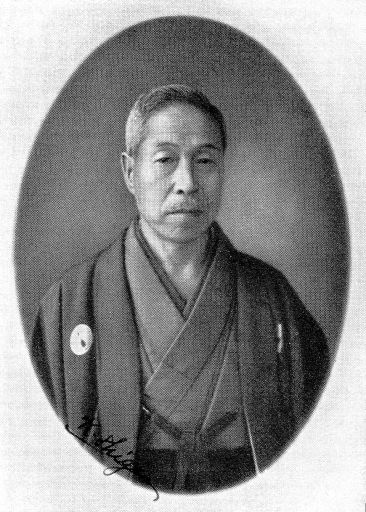
Okubo Toshimichi (1830-1878) fut l'un des Trois Grands Nobles de la Restauration Meiji qui transforma le Japon d'une societe feodale en un Etat-nation moderne. Figure la plus puissante du gouvernement Meiji, il mit en oeuvre des reformes radicales incluant l'abolition du systeme feodal et l'introduction d'institutions occidentales. Son approche pragmatique de la modernisation mena a des conflits avec son ancien allie Saigo Takamori. Assassine en 1878, la vision d'Okubo d'un Japon centralise et industrialise posa les fondations de l'emergence de la nation comme puissance mondiale.
Sujets de conversation
Parcours de vie
Born into a lower-ranking samurai family in Satsuma Domain. His father served as a minor official, providing young Toshimichi with exposure to domain politics and administration that would shape his future career as a statesman.
Formed a lifelong friendship with Saigo Takamori, who would become his closest ally in the Meiji Restoration. Together they studied Confucian classics and discussed the future of Japan during a time of increasing foreign pressure.
Gained the attention of domain lord Shimazu Nariakira for his administrative abilities. Began working on domain reforms and developing connections with other reform-minded samurai across Japan.
Played a key role in suppressing radical loyalists in the Teradaya Incident, demonstrating his pragmatic approach to political change. This event established his reputation as a skilled political operator.
Helped negotiate the secret Satsuma-Choshu Alliance, uniting two powerful domains against the Tokugawa shogunate. This alliance proved decisive in the coming Meiji Restoration.
Played a central role in the Meiji Restoration that overthrew the Tokugawa shogunate and restored imperial rule. Became one of the most influential figures in the new government.
Engineered the abolition of the feudal domain system, replacing it with prefectures under central government control. This radical reform dismantled centuries of feudal structure.
Joined the Iwakura Mission as vice-ambassador, traveling to America and Europe to study Western institutions. The experience profoundly shaped his vision for Japan's modernization.
Successfully opposed the proposal to invade Korea, prioritizing internal development over military expansion. This decision led to the resignation of Saigo Takamori and other war advocates.
Became Home Minister, effectively the most powerful position in the government. Implemented comprehensive reforms in education, industry, and infrastructure.
Issued the Sword Abolition Edict, prohibiting samurai from wearing swords in public. This symbolic act marked the end of samurai privilege and accelerated Japan's transformation into a modern state.
Faced the tragic necessity of suppressing the Satsuma Rebellion led by his former friend Saigo Takamori. The government victory came at great personal cost, as Saigo died in the conflict.
Launched ambitious industrial development programs, establishing model factories and promoting Western technology adoption. These initiatives laid the groundwork for Japan's industrial revolution.
Faced increasing criticism from both conservatives who resented his reforms and liberals who demanded faster political change. His authoritarian methods made him many enemies.
Assassinated by disgruntled samurai on May 14, 1878, while traveling to work. His death shocked the nation, but his vision of a modern, centralized Japan continued to guide national policy for decades.