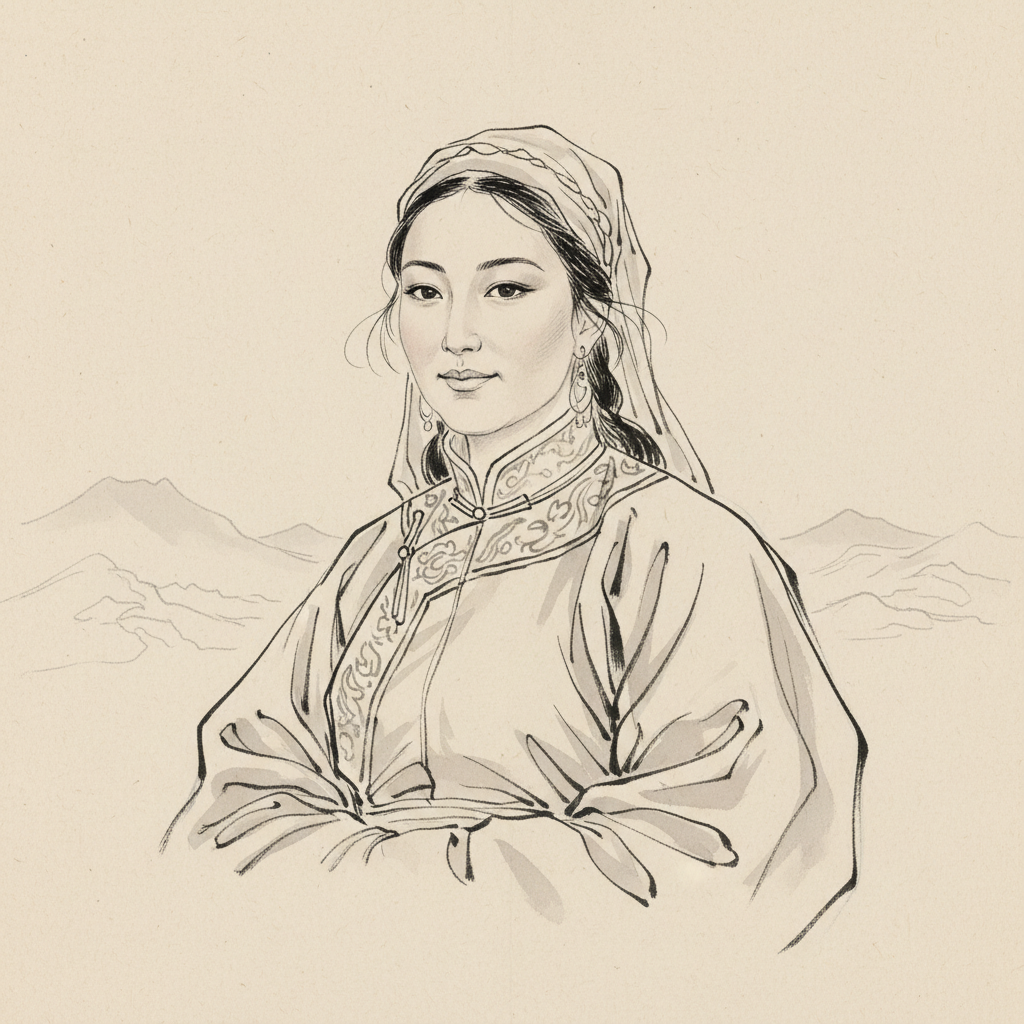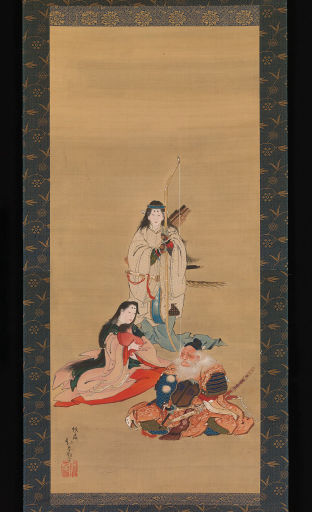
Legendary Japanese regent-queen famed for prophetic leadership, wartime resolve, and enduring influence in early Yamato tradition.
대화 시작하기
인생 여정
Later chronicles portray her as born to an influential Yamato family linked to court ritual and regional power. Her early life is framed around sacred training, preparing her for politics within the emerging Yamato state.
Tradition presents her as serving near the royal household, learning divination and shrine-centered governance. These skills later become central to her authority, especially when military and diplomatic decisions require sacred sanction.
According to the Nihon Shoki, she becomes consort to Emperor Chuai, binding powerful kin networks to the royal line. The marriage is depicted as consolidating Yamato influence across Kyushu and western Japan during a turbulent era.
The imperial household is said to move toward Kyushu as Chuai pursues campaigns against regional rivals such as the Kumaso. Jingu appears as a key adviser, connecting military planning with oracular warnings and ritual observances.
Chronicles describe Jingu receiving a divine message, sometimes tied to Sumiyoshi deities, promising conquest and tribute across the sea. The narrative highlights conflict with Chuai’s skepticism, framing her as the vessel of divine policy.
Traditional accounts state that Chuai dies during the Kyushu campaign, creating uncertainty about legitimate succession. Jingu is portrayed as maintaining order through ritual authority, preventing factional violence within the court and armies.
Jingu is depicted as taking the reins of government while carrying the future Emperor Ojin, delaying childbirth to stabilize rule. The tale emphasizes governance by decree, divination, and coalition-building among powerful clans in Kyushu.
Legends describe extensive preparations: ships gathered, commanders appointed, and rites performed to ensure favorable winds. The story situates her leadership among seafaring routes linking northern Kyushu to the Korean Peninsula’s polities.
The expedition narrative claims seas calmed through sacred rites and talismans, underscoring her role as both ruler and ritual specialist. Later retellings connect her to the Sumiyoshi shrines, linking naval success to worship and patronage.
Chronicles assert that Silla and neighboring groups submit without prolonged battle, offering tribute and hostages. Modern historians debate this, yet the episode shaped Yamato claims of prestige and diplomatic reach in East Asia.
After the expedition, she is said to return with wealth and authority that strengthens the court’s position. The narrative emphasizes redistribution of prestige goods, rewarding allies and tightening Yamato control over key western routes.
Tradition places Ojin’s birth after the regency’s dramatic campaigns, highlighting a divinely favored succession. Later shrine traditions associate Ojin with Hachiman worship, making Jingu central to a powerful sacred genealogy.
Stories portray her balancing influential uji clans by granting offices and managing ceremonial legitimacy. The regency is remembered as blending martial readiness with shrine-centered governance in the formative centuries of the Yamato polity.
Later texts imply continuing links with the peninsula through envoys, tribute, and crafted goods moving via northern Kyushu. These exchanges, whether literal or symbolic, reinforce the court’s image as a participant in regional diplomacy.
As the heir matures, Jingu is depicted as transferring practical authority while safeguarding legitimacy through ritual and precedent. The handover is framed as orderly, preventing succession conflict and preserving Yamato stability.
Chronicles assign her an exceptionally long lifespan, reflecting her mythic stature and the need to align regnal chronologies. Over time she is enshrined in multiple sites, becoming a symbol of sacred rulership and maternal legitimacy.