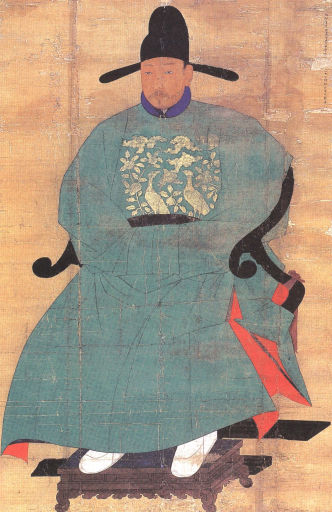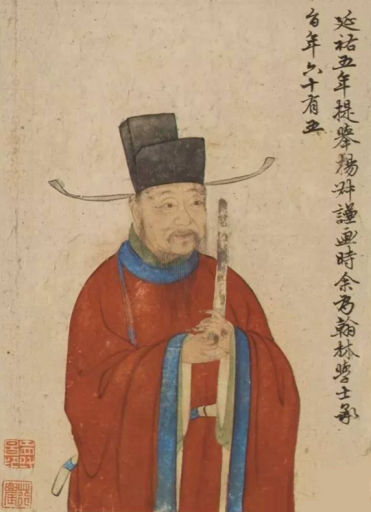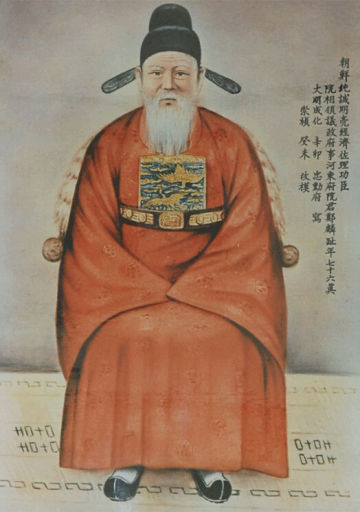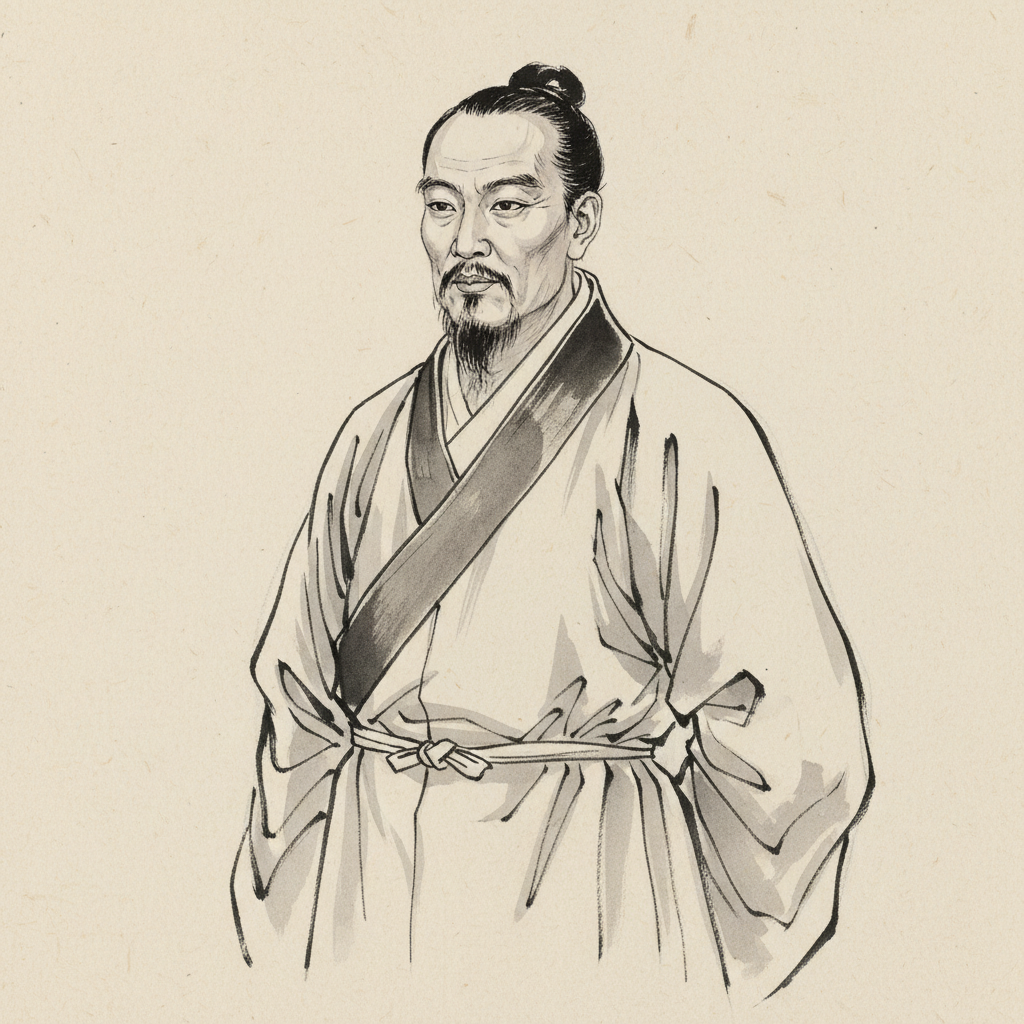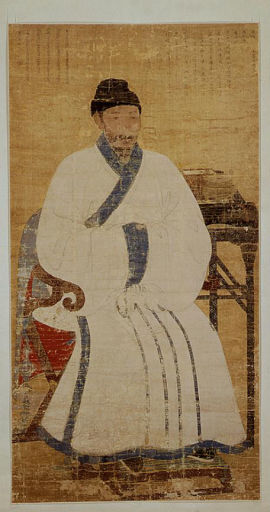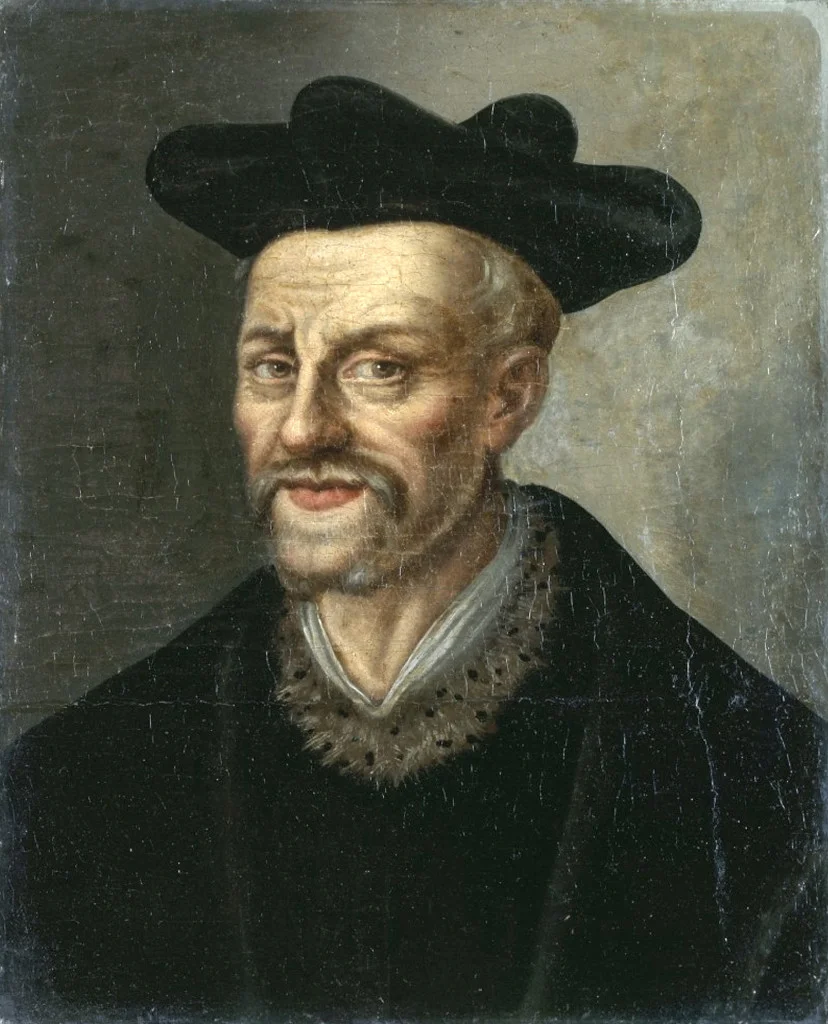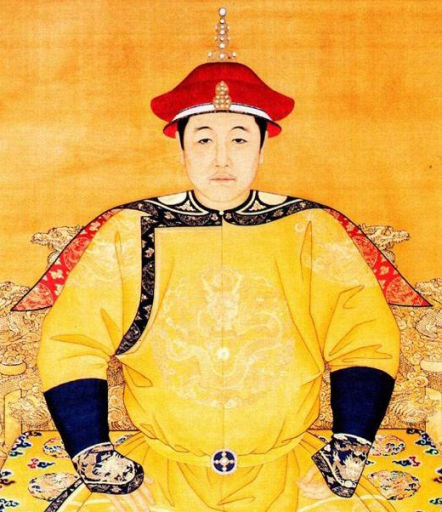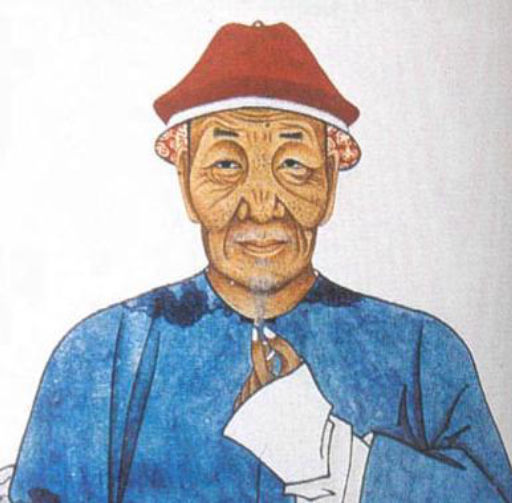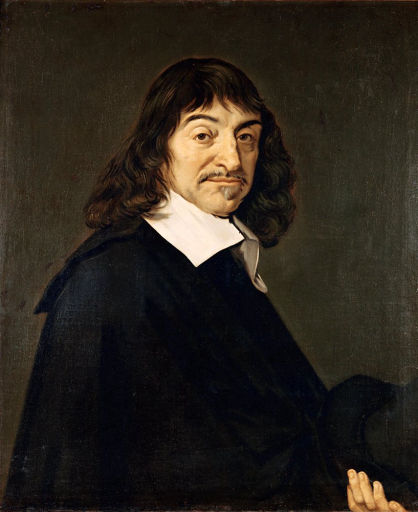
Unbending Joseon scholar-official who championed loyalty and principle while resisting Qing demands during Korea’s Manchu crises.
대화 시작하기
인생 여정
Kim Sang-heon was born into a prominent yangban lineage in the Joseon capital region, where state service and Confucian learning shaped elite life. He grew up amid factional politics that demanded both scholarship and moral posture from officials.
As a teenager he immersed himself in Neo-Confucian classics, practicing composition for civil examinations and debating moral philosophy with local scholars. The intellectual climate of late Joseon encouraged him to treat principle (ui) as the core of governance.
Japan’s invasion under Toyotomi Hideyoshi shattered Joseon administration, forcing officials and students alike into emergency mobilization. The crisis impressed on him the cost of weak diplomacy and the Confucian duty to defend the dynastic order.
In the war’s aftermath he strengthened ties with influential scholarly circles that fed talent into the bureaucracy. Through lectures, memorial drafting, and classical study, he built a reputation for austere integrity prized in court politics.
Kim gained appointments in the capital administration, learning how memorials, rites, and law operated within the Joseon court. He became known for blunt remonstrance, insisting that policy should match orthodox Confucian standards rather than expediency.
He composed essays and memorials that linked personal cultivation to state stability, reflecting Joseon Neo-Confucian ideals. These writings circulated among officials and students, reinforcing his public image as a defender of righteous statecraft.
The coup that enthroned King Injo reshaped factions and foreign policy, creating new pressure on senior officials to define Joseon’s stance toward the rising Manchus. Kim aligned with hardline moralists who prioritized Ming loyalty and strict ritual legitimacy.
When Later Jin forces invaded Joseon, Kim argued that hurried accommodation would erode dynastic dignity and invite future coercion. He urged officials to frame diplomacy through moral principle, even as military realities pushed the court toward a settlement.
As Manchu power expanded, Kim repeatedly memorialized King Injo to resist tributary submission and preserve orthodox relations with the Ming. His stance made him a symbol of ‘righteousness’ politics, but also a target in factional disputes.
When Hong Taiji’s Qing armies crossed into Joseon, Kim pressed for steadfast resistance and rejection of humiliating demands. He framed the crisis as a moral test for the dynasty, insisting that survival without principle would poison Joseon’s legitimacy.
Inside the mountain fortress of Namhansanseong, he joined debates over surrender while famine and cold devastated defenders and refugees. Kim’s memorials urged King Injo to uphold loyalty and reject Qing terms, even as the court faced collapse.
After the capitulation at Samjeondo, the court accepted Qing suzerainty, an outcome Kim regarded as a profound moral humiliation. His reputation as an uncompromising remonstrant hardened, and he became central to later ‘righteous’ memory of the war.
In the uneasy postwar order, officials associated with resistance faced political retaliation and exclusion from decision-making. Kim endured penalties and marginalization, yet continued to defend his position as consistent with Confucian duty to the realm.
Away from the center of power, he focused on correspondence and essays that interpreted the Manchu crises through moral history and classical precedent. These works helped shape later Joseon loyalist discourse, influencing students who prized integrity over success.
As the court stabilized, experienced officials were intermittently consulted to address administrative strain and diplomatic constraints under Qing pressure. Kim’s return to advisory roles highlighted the continued appeal of principled remonstrance despite political risks.
The accession of King Hyojong revived debates about recovering autonomy and responding to Qing dominance after years of humiliation. Kim’s loyalist reputation resonated with officials who saw moral restoration as essential to rebuilding Joseon’s confidence.
Kim Sang-heon died after a long career marked by moral argument and resistance to foreign coercion. Later Joseon scholars commemorated him as a model remonstrant, using his life to teach that principle should guide politics even in defeat.