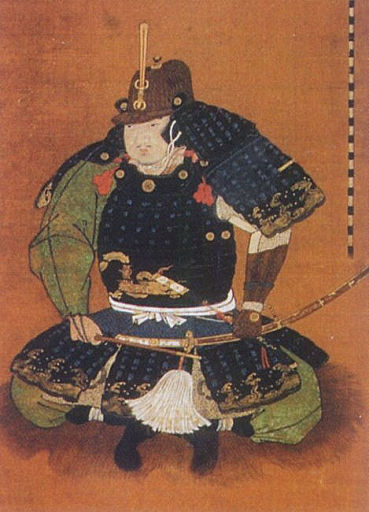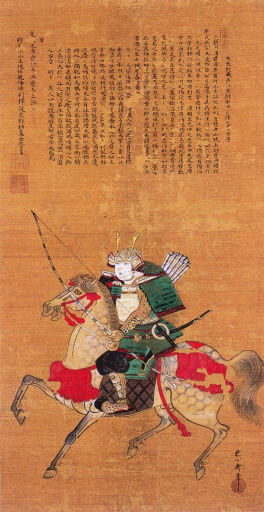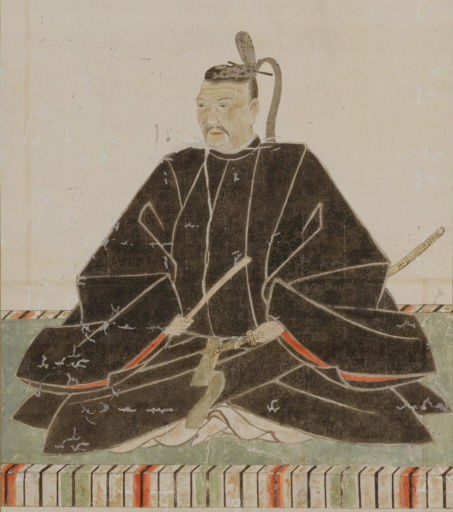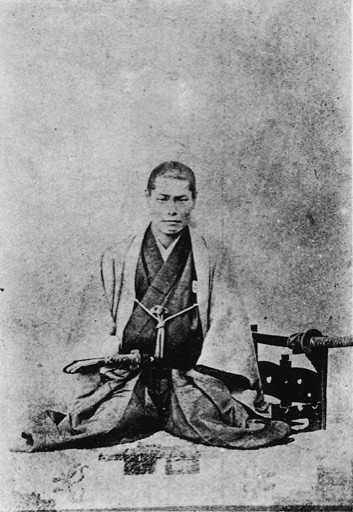
近藤勇(1834-1868)是新选组局长,幕末时期守护京都的传奇剑客。出身农家却被近藤家收养,继承天然理心流第四代宗家。凭借人望和剑术吸引了土方�的三等众多志士,将新选组打造成京都最强治安部队。池田屋事件中的活跃成为传说,获得幕臣地位。戊辰战争后仍坚守对德川的忠义,33岁被处刑时依然保持武士的尊严。
对话开场白
人生历程
Born Miyagawa Katsugoro into a farming family. Showed early interest in martial arts.
Began training at the Shieikan dojo under Kondo Shusuke, master of Tennen Rishin-ryu.
Adopted by Kondo Shusuke and took the name Kondo Isami, becoming heir to the dojo.
Became the fourth-generation master of Tennen Rishin-ryu after his adoptive father's retirement.
Led the Roshigumi to Kyoto and reorganized it as the Shinsengumi, becoming its commander.
Led the famous raid on Ikedaya inn, crushing a plot to burn Kyoto. This made the Shinsengumi legendary.
Awarded hatamoto status by the shogunate, officially becoming a samurai despite peasant origins.
The Shinsengumi reached peak strength, becoming the most powerful force maintaining order in Kyoto.
Witnessed the resignation of the last shogun. Remained loyal to the Tokugawa cause despite the political collapse.
Fought in the Battle of Toba-Fushimi against imperial forces. Suffered defeat but continued resistance.
Retreated with remaining Shinsengumi members to Edo, continuing to fight for the Tokugawa cause.
Led the Koyo Chinbutai in the Battle of Koshu-Katsunuma, suffering a devastating defeat.
Captured by imperial forces at Nagareyama. Surrendered to protect his remaining men.
Executed by beheading at Itabashi. Faced death with dignity, becoming a symbol of samurai loyalty.
His life became legendary, inspiring countless stories celebrating samurai honor and loyalty.