En bref
Savant dominicain, il a uni la philosophie aristotélicienne à la théologie chrétienne tout en faisant progresser la science médiévale, l’éducation et l’observation de la nature.
Sujets de conversation
Parcours de vie
Albert naît dans le monde germanophone du Saint-Empire romain, probablement à Lauingen en Souabe. Élevé dans un milieu marqué par les écoles cathédrales et le savoir monastique, il est formé par une culture où théologie, droit et médecine s’entrecroisent.
Il étudie les arts libéraux et la philosophie à l’Université de Padoue, un centre animé de l’aristotélisme et des recherches médicales. L’exposition aux disputations rigoureuses et à la philosophie naturelle nourrit sa pratique durable de la classification systématique et de l’argumentation attentive.
Albert rejoint l’Ordre des Prêcheurs, adoptant une vie mendiante centrée sur l’étude, la prédication et l’enseignement. La mission intellectuelle de l’ordre le relie à un réseau pan-européen d’écoles, de bibliothèques et de débats savants.
Après sa formation dominicaine, il est ordonné et envoyé enseigner et prêcher dans les couvents de l’Empire. Sa réputation grandit grâce à sa clarté doctrinale et à une disposition rare à discuter des causes naturelles parallèlement à l’interprétation des Écritures.
Il enseigne à l’Université de Paris, où les débats font rage autour d’Aristote, des commentateurs arabes et des frontières de la théologie. Au sein du studium dominicain, il affine des méthodes de commentaire reliant logique, éthique et métaphysique à l’enseignement chrétien.
Albert obtient à Paris le prestigieux grade de maître en théologie, rejoignant l’élite des théologiens universitaires. Ce titre lui confère l’autorité de donner des cours publics, de présider des disputations et d’influencer les programmes des étudiants dominicains et universitaires.
À Paris puis à Cologne, il enseigne à Thomas d’Aquin, discernant une promesse exceptionnelle derrière le caractère réservé du jeune frère. Leur relation devient décisive pour la scolastique latine, Albert encourageant un dialogue discipliné avec Aristote et une synthèse théologique prudente.
Envoyé à Cologne, il contribue à établir une grande école dominicaine destinée à devenir un centre d’études avancées. Il organise l’enseignement de la logique, de la philosophie naturelle et de la théologie, formant des frères pour la prédication et des carrières universitaires en Europe.
Il est élu provincial, supervisant les couvents dominicains, la discipline et l’éducation dans les territoires germaniques. Cette charge exige des voyages constants et un travail de médiation, qu’il concilie avec la poursuite de ses écrits et l’accompagnement de jeunes savants.
Dans un climat d’hostilité envers les frères mendiants à l’université, il se rend à la cour pontificale pour défendre le droit des Dominicains à enseigner et à prêcher. Dans les enceintes pontificales et académiques, il soutient que la pauvreté savante et l’instruction publique servent l’Église et la société urbaine.
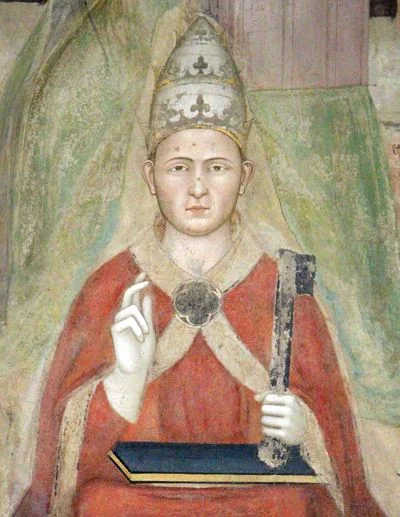
Le pape Alexandre IV le nomme évêque, l’envoyant réformer un diocèse accablé par les dettes et les tensions politiques. Bien que réticent, il tente une remise en ordre administrative et une vigilance pastorale, appliquant une rigueur scolastique à la gouvernance concrète.
Estimant l’administration épiscopale incompatible avec sa vocation et sa santé, il renonce à sa charge et reprend l’habit dominicain. Il retourne à l’enseignement, à l’écriture et à la prédication, avec une autorité morale accrue pour avoir accepté puis quitté une haute fonction.
Chargé de prêcher le soutien aux entreprises de croisade, il s’adresse aux villes et aux couvents de l’Empire. Ses sermons mêlent thèmes pénitentiels et réalités politiques, reflétant les stratégies pontificales et l’intense mobilisation religieuse de l’époque.
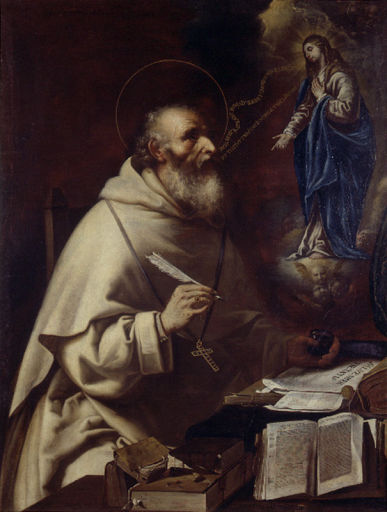
Dans ses dernières années, il développe des ouvrages sur les animaux, les plantes, les minéraux et les astres, cherchant à rassembler et à évaluer le savoir disponible. Il confronte les autorités à l’observation, contribuant à légitimer l’enquête naturelle dans un cadre théologique.
À la mort de Thomas d’Aquin, Albert perd son élève le plus brillant et un partenaire central du renouveau scolastique. Il s’emploie à défendre l’orthodoxie de sa pensée lorsque des critiques mettent en cause des idées aristotéliciennes, en soulignant les distinctions nécessaires et la fidélité à la doctrine de l’Église.
Après les condamnations parisiennes de 1277 visant de nombreuses propositions philosophiques, son projet intellectuel suscite une suspicion accrue. Il cherche à préciser comment la philosophie peut servir la théologie, en appelant à un raisonnement discipliné sans dériver vers des thèses déterministes ou hétérodoxes.
Albert meurt à Cologne, vénéré comme un dominicain érudit dont les écrits couvrent la théologie, la philosophie et les sciences de la nature. Son héritage perdure à travers les programmes scolastiques et la réception continue d’Aristote en Occident latin.