Quick Facts
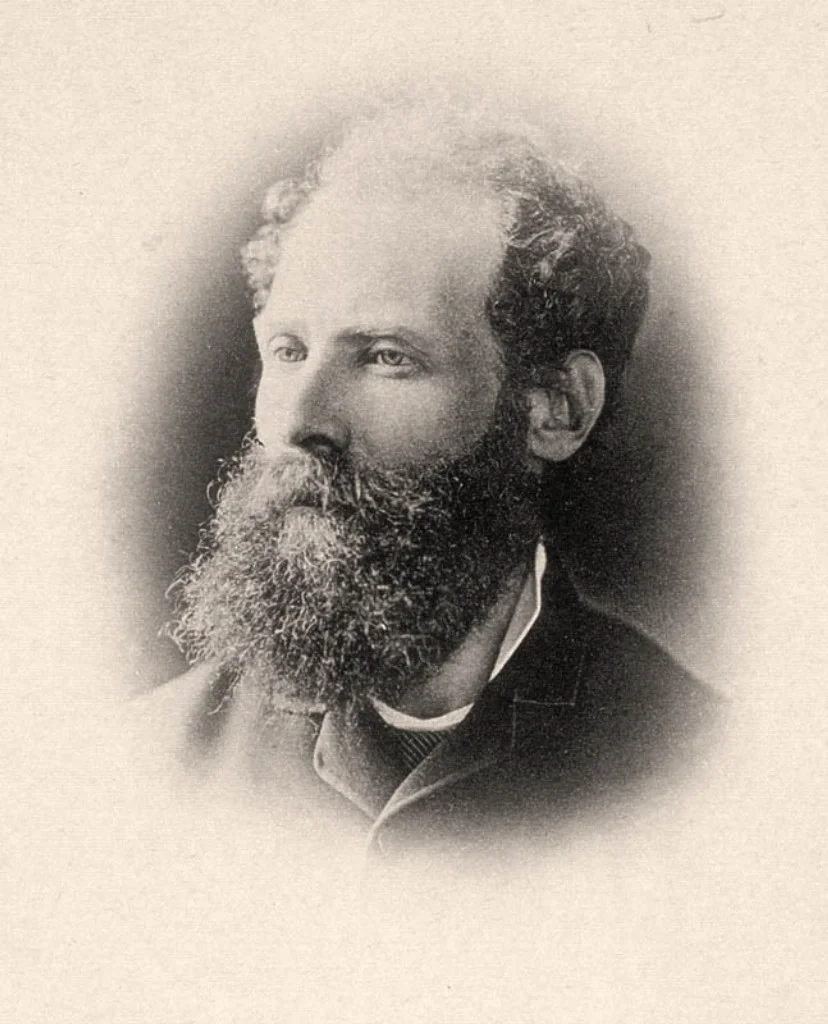
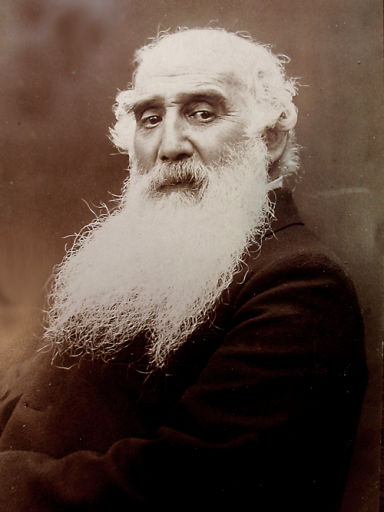
A pioneering Impressionist who mentored younger painters, capturing rural life and modern streets with luminous, patient observation.
Conversation Starters
Life Journey
Born on St. Thomas in the Danish West Indies, he grew up amid a multicultural trading port. His family’s Jewish heritage and mercantile life exposed him early to travel, languages, and the discipline of commerce.
He was sent to school in France, where museums and Parisian drawing lessons expanded his ambitions beyond business. Copying prints and studying landscapes, he began to imagine painting as a serious vocation.
Back in St. Thomas, he was expected to follow a commercial path and learn the rhythms of trade. He continued sketching relentlessly, using harbor scenes and tropical light as informal training for later landscape work.
He left the Caribbean to travel and paint with Danish artist Fritz Melbye, choosing art over security. In Venezuela he studied vegetation, heat, and changing skies, producing drawings that strengthened his confidence as a landscape painter.
He settled in Paris and sought instruction at the École des Beaux-Arts and the Académie Suisse, where independent study was encouraged. He absorbed lessons from Corot and the Barbizon painters while forging his own direct, outdoor method.
He achieved early recognition by exhibiting at the official Salon, entering the demanding world of French art institutions. Even as he showed there, he grew skeptical of academic taste and gravitated toward freer landscape practice.
In Paris he befriended Claude Monet, Pierre-Auguste Renoir, and other young painters dissatisfied with convention. These exchanges reinforced his belief in painting modern life and nature directly, with truthful color and unforced composition.
He worked closely with Paul Cézanne, painting side by side and discussing structure, tone, and patience in observation. Their sessions helped Cézanne develop a firmer approach to form, while Pissarro sharpened his own clarity and balance.
During the Franco-Prussian War he left France for safety, joining Monet in London among other refugees. There he studied J. M. W. Turner and John Constable, and painted parks and river views shaped by English atmosphere and fog.
After returning to France, he discovered that soldiers had damaged or destroyed a large number of his paintings left behind. The loss deepened his financial strain, yet he resumed work steadily, rebuilding his oeuvre through sheer persistence.
He joined colleagues to form the Société Anonyme Coopérative, a bold alternative to the Salon’s gatekeeping. The group organized self-directed exhibitions, asserting that artists could shape their own public and critical destiny.
He showed work in the 1874 exhibition later labeled “Impressionist,” alongside Monet, Degas, and others. His landscapes emphasized lived experience—roads, farms, and weather—offering a calmer counterpoint to more theatrical city scenes.
He based himself around Pontoise, painting orchards, fields, and village streets across seasons and shifting light. Working outdoors with careful rhythm, he developed a grounded Impressionism that honored laborers and unidealized rural France.
His attention expanded to rail lines, bridges, and industrial edges, treating modernization as part of the landscape rather than a threat. These works connected Impressionist color to social reality, showing how ordinary life was being reshaped.
After encountering Georges Seurat and Paul Signac, he experimented with Neo-Impressionist theory and divided color. The disciplined technique appealed to his analytical side, even as he sought to preserve spontaneity and natural observation.
He produced etchings, aquatints, and later color prints, treating printmaking as a laboratory for tone and structure. Working with publishers and fellow artists, he used the medium to reach audiences beyond the traditional painting market.
Suffering from eye inflammation that limited outdoor work, he painted from hotel windows overlooking busy boulevards. These series balanced crowd movement, architecture, and weather, transforming modern Paris into a study of rhythm and light.
He died in Paris after decades of steady work, teaching, and advocacy for independent art. Younger painters remembered him as a moral center—patient, experimental, and supportive—whose example helped define Impressionism’s humane spirit.