En bref
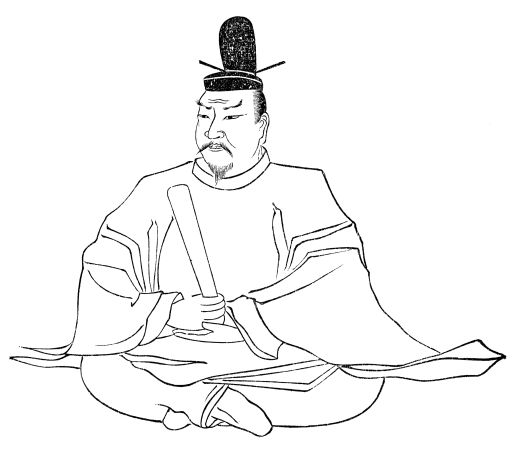
Souverain japonais semi-légendaire, plus tard vénéré comme Hachiman, il relie les premières formes de royauté yamato à des traditions de protection guerrière et de sacralisation de la force.
Sujets de conversation
Parcours de vie
Les chroniques de cour situent sa naissance au cours du voyage de retour de l’impératrice Jingū, le présentant comme un enfant d’un temps divin et de la victoire. Le récit associe les ports de Kyūshū et des présages rituels à la légitimité de Yamato dans le Japon ancien.
Le Nihon Shoki décrit l’impératrice Jingū gouvernant comme régente tout en élevant le jeune prince et en consultant des spécialistes des rites de cour. Ce motif met en avant une protection matrilinéaire et la politique fragile de la succession dans le Yamato des débuts.
La tradition tardive évoque un apprentissage du protocole cérémoniel, des compétences martiales et de la récitation des lignées ancestrales au cœur de l’autorité de Yamato. Cette formation illustre la manière dont le pouvoir des élites mêlait performance rituelle et commandement d’auxiliaires armés.
Les chroniques rapportent des prétendants rivaux et des manœuvres de factions autour du trône, obligeant le prince à sécuriser des alliances parmi de puissantes lignées d’uji. Les récits dramatisent le fait que la souveraineté primitive dépendait d’un soutien négocié, et pas seulement d’une administration.
Les listes règnales traditionnelles le reconnaissent comme empereur, marquant un transfert symbolique de la régence de Jingū vers une royauté masculine. Le récit de l’intronisation affirme la continuité par les insignes sacrés, les serments et les rites publics devant les grandes familles.
Des récits associent la cour aux cultes d’armes d’Isonokami, où la garde rituelle d’épées et d’armures signalait une force légitime. En honorant ces institutions, le souverain pouvait sacraliser le pouvoir militaire tout en liant des groupes guerriers au centre.
L’attention de la cour portée au nord de Kyūshū reflète son rôle de porte d’accès au continent via Tsushima et Iki. Dans la légende, dons administratifs et otages soulignent comment les voies maritimes ont façonné la diplomatie, le commerce et la planification de la sécurité.
Les récits lient son règne à des échanges avec des entités politiques de la péninsule coréenne, souvent cadrés par les rivalités entre Paekche et Silla. Qu’ils soient littéraux ou projetés a posteriori, ces épisodes montrent Yamato se représentant au sein d’un ordre est-asiatique plus vaste.
La tradition de cour attribue à l’époque l’arrivée de tisserands, de scribes et de forgerons venus du continent, au service d’uji spécifiques. Ces récits font écho à des indices de la période des tumulus, où nouvelles techniques et biens de prestige circulaient parmi les élites.
Les légendes sur les pratiques montées reflètent un basculement plus large de la période des tumulus vers la cavalerie et de nouvelles formes de mise en scène militaire. En récompensant des partisans armés et en consolidant des clans, le souverain renforçait la capacité coercitive tout en projetant son prestige dans les provinces.
Des épisodes traditionnels décrivent des voyages de type processionnel au cours desquels la cour recevait des tributs et réaffirmait des alliances par des banquets et des rites. Ces cérémonies servaient de théâtre politique, transformant l’autonomie locale en subordination publiquement reconnue.
La mémoire tardive associe la dynastie à d’immenses tombes en trou de serrure mobilisant le travail et symbolisant une royauté cosmologique. Le paysage funéraire autour de Yamato reflète une compétition entre élites, mais aussi un langage visuel partagé de l’autorité.
Les registres généalogiques insistent sur des unions reliant le souverain à des clans influents, créant des réseaux d’obligations et de prétentions successorales. Ces mariages ont contribué à stabiliser la cour en transformant des rivaux potentiels en parents au sein de la maison royale.
Les chroniques décrivent une cour mûre coordonnant plus régulièrement qu’auparavant les tributs, les calendriers rituels et les liens provinciaux. Même idéalisée, cette image suggère l’émergence d’un centre capable de soutenir une gouvernance élitaire au long cours.
Les traditions règnales situent sa mort après des décennies de règne, suivie d’un deuil et d’un enterrement élaborés dignes d’un souverain de Yamato. Les rites mémorisés relient la royauté à la vénération des ancêtres, garantissant la continuité politique par le souvenir sacré.
Au début de l’époque de Heian, des sanctuaires de Hachiman, tels que Usa Hachimangū, ont promu un culte reliant le dieu à l’empereur Ōjin. Cette fusion entre kami et ancêtre impérial a soutenu des protecteurs guerriers et a ensuite servi de base à la légitimité de l’ère des samouraïs.