Quick Facts
Jazz Age novelist who captured American glamour and disillusionment through lyrical prose, ambition, and tragic romance.
Conversation Starters
Life Journey
Born Francis Scott Key Fitzgerald to Edward Fitzgerald and Mary "Mollie" McQuillan Fitzgerald. Growing up in St. Paul, he absorbed Catholic schooling, social ambition, and Midwestern class tensions that later colored his fiction.
As a boy he began publishing stories and jokes in school papers, testing voice and rhythm in short forms. Teachers and classmates noticed his flair for language, reinforcing his dream of literary fame.
At Princeton he wrote for the Triangle Club and contributed to student magazines while chasing popularity and performance. He left without graduating, but the friendships and social scenes fed his later portrayals of elite youth culture.
Commissioned as a second lieutenant, he trained at bases including Camp Sheridan and feared being sent overseas. During evenings he drafted a novel manuscript, convinced war might end his chance at becoming a writer.
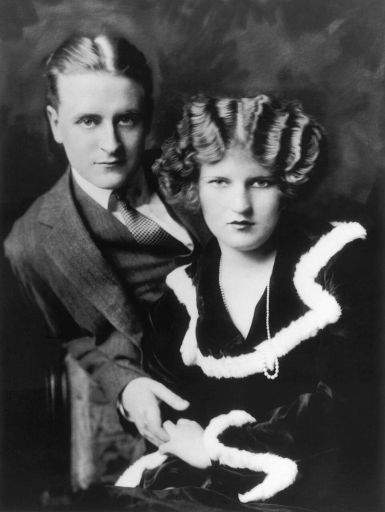
In Montgomery he met Zelda Sayre, daughter of an Alabama Supreme Court justice, at dances and parties. Their romance mixed glamour with insecurity, shaping his lifelong fascination with beauty, status, and recklessness.
After discharge, he worked in advertising while rewriting his manuscript to win Zelda’s commitment. Facing rejection and pressure, he returned to St. Paul to revise intensely, turning youthful material into a publishable debut.
Scribner’s released This Side of Paradise to strong sales and cultural buzz, making him a celebrity voice of postwar youth. The sudden success changed his finances and reputation overnight, and Zelda agreed to marry him soon after.
He married Zelda at St. Patrick’s Cathedral and quickly became a symbol of bright young extravagance. Their parties, travel, and tabloid attention fed both his creative energy and a cycle of spending and alcohol-fueled conflict.
The Beautiful and Damned expanded his themes of love, money, and moral drift, reflecting pressures in his own marriage. To fund their lifestyle, he increasingly relied on high-paying short stories for magazines like The Saturday Evening Post.
Their only child, Frances "Scottie" Fitzgerald, was born as the couple balanced fame with instability. Parenthood deepened his desire to provide, but also intensified the financial and emotional strains that shaped his work.
The Fitzgeralds settled in France, mixing with American expatriates and artists along the Riviera and in Paris. He befriended writers such as Ernest Hemingway, finding both inspiration and rivalry in the postwar modernist circle.
The Great Gatsby appeared from Scribner’s, portraying Jay Gatsby’s longing and the moral emptiness behind wealth. Though initial sales were modest, Fitzgerald believed it was his best work, refining a leaner style and sharper symbolism.
Zelda suffered a severe breakdown and entered clinics in Switzerland and France, including treatment in Lausanne. Medical bills and uncertainty overwhelmed him, and his drinking worsened as he tried to write while managing care decisions.
Tender Is the Night drew on Riviera life and the strain of illness within a marriage, shaped by years of drafts and delays. Reviews praised its ambition, but sales disappointed, deepening his fear that the public had moved on.
In essays later known as The Crack-Up, he described exhaustion, debt, and the feeling of spiritual bankruptcy with striking candor. The pieces sparked debate among friends and critics, including Ernest Hemingway, about weakness, art, and honesty.
He signed contracts in Hollywood, doing studio rewrites while trying to stabilize finances and sobriety. Living in California, he began a relationship with columnist Sheilah Graham and struggled to balance commerce with literary ambition.
He started The Last Tycoon, modeling producer Monroe Stahr partly on MGM executive Irving Thalberg and observing studio power firsthand. The manuscript showed renewed control and craft, but deadlines and health problems slowed progress.
He died suddenly of a heart attack while living in Hollywood, leaving The Last Tycoon incomplete and debts unresolved. Initially buried away from Fitzgerald family plots, he later became widely recognized as a defining voice of American modern literature.