Quick Facts
Pioneered modern Japanese realism, blending colloquial prose, translation craft, and sharp social observation in Meiji-era literature.
Conversation Starters
Life Journey
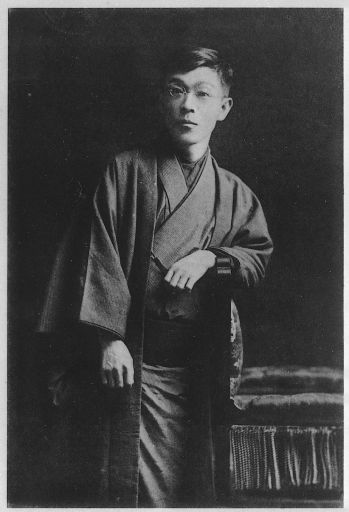
Born Hasegawa Tatsunosuke in Edo during the final years of the Tokugawa shogunate. He grew up amid the upheaval that soon became the Meiji Restoration, a backdrop that later shaped his realism.
As Meiji leaders expanded new schools, he received a Western-influenced education that stressed languages and practical knowledge. The era’s rapid modernization made him attentive to class tension and changing speech.
He pursued language study with unusual intensity, drawn to European novels and new ideas about realism. This early immersion prepared him to become a key mediator between Russian literature and Japanese readers.
He entered a foreign-language program where Russian study opened a different literary world from English-centered learning. The discipline of translation pushed him to think carefully about how Japanese could sound natural on the page.
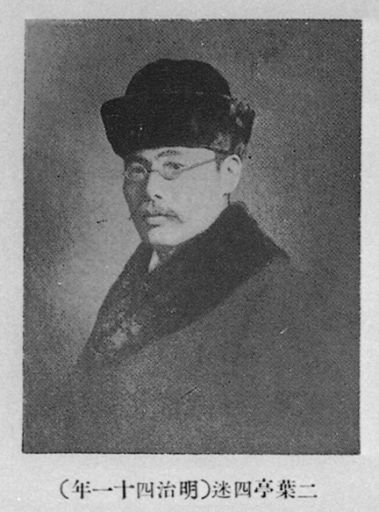
He began publishing under the name Futabatei Shimei, a distinctive literary persona for a new kind of writer. The pseudonym helped separate his artistic ambitions from the strict expectations of official life in Meiji Japan.
Literary debates led by figures like Tsubouchi Shoyo urged writers to abandon didactic tales and pursue psychological realism. Futabatei absorbed these arguments and aimed to make prose reflect everyday speech and thought.
He began serial publication of 'Ukigumo,' often cited as a landmark in modern Japanese fiction. The work portrayed ambition, bureaucracy, and romantic frustration with an unusually candid, spoken-like narrative voice.
Through revisions and continuing installments, he tested ways to merge conversational Japanese with written prose. These experiments helped legitimize genbun itchi, influencing later novelists seeking a more realistic style.
He deepened translation work, using Russian texts to challenge Japanese literary conventions. Rendering tone and psychology into Japanese sharpened his sense of dialogue, pacing, and social nuance in fiction.
He took roles connected to the Meiji state’s expanding bureaucracy and press culture. The daily realities of offices and newspapers provided firsthand material for his critiques of status, careerism, and public morality.
He wrote criticism arguing that Japanese prose should match lived speech rather than classical conventions. By linking style to social truth, he made language reform feel urgent to writers navigating modern city life.
During the Sino-Japanese War period, newspapers and public rhetoric intensified, and state priorities shifted quickly. He watched how nationalism shaped language and careers, reinforcing his skeptical view of official ambition.
He kept translating and editing, searching for Japanese expressions that carried foreign psychological depth. This steady craft work helped broaden the vocabulary of modern fiction and made realism feel stylistically possible.
The Russo-Japanese War brought Russia into Japan’s political imagination in a new way, intersecting with his long engagement with Russian letters. He noted how victory, propaganda, and sacrifice altered public speech and values.
He took posts that placed him abroad and in contact with multilingual communities. Living outside Japan sharpened his sense of translation as cultural negotiation, not just word substitution, and informed later reflections.
He looked back on fiction, criticism, and government service with a mixture of pride and dissatisfaction. Friends and colleagues recognized him as a formative figure, even as he questioned how much literature could change society.
He died at age 45 while traveling back from an overseas assignment, cutting short further literary work. His legacy endured through 'Ukigumo' and his translations, which helped define modern Japanese prose norms.