Quick Facts
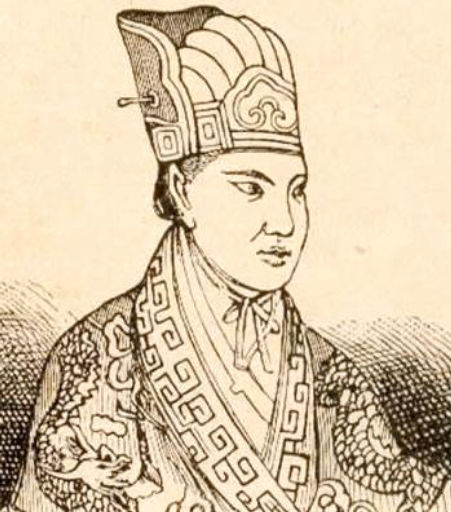
A failed civil service candidate who proclaimed a divine mission and led the Taiping Rebellion against Qing rule.
Conversation Starters
Life Journey
Hong Xiuquan was born in Fuyuanshui Village, Huaxian County, into a Hakka farming family in Guangdong. His relatives invested in his schooling, hoping he would win degrees in the Qing civil service examinations and uplift the clan.
As a teenager he studied the Confucian classics under local teachers, memorizing texts and composing essays in exam style. The family’s expectations tied his future to the county and provincial examination system centered on Guangzhou.
He traveled to Guangzhou to sit higher-level examinations, joining thousands of candidates competing for scarce degrees. Failure intensified his sense of personal humiliation and sharpened his awareness of corruption and inequality in Qing institutions.
After another examination failure, he encountered Protestant pamphlets circulated near the exam halls, including Liang Fa’s writings. He soon fell gravely ill and reported vivid visions of a heavenly father and an elder brother, experiences he later reinterpreted as a divine calling.
Reviewing the Christian tracts years later, Hong concluded his visions meant he was the younger brother of Jesus sent to cleanse China. He and close associates denounced Confucian and local religious images, beginning a campaign against idols that alarmed neighbors and officials.
Hong and Feng Yunshan organized believers into the God Worshipping Society, blending biblical language with anti-idol activism. Feng’s organizing in Guangxi brought many Hakka and poor miners into the movement, giving Hong a growing base beyond Guangdong.
He returned to Guangzhou seeking deeper instruction in Christian doctrine and met Protestant missionaries connected to the treaty-port world. The limited and uneasy relationship highlighted cultural gaps, but Hong left more confident in preaching his own revelation-centered theology.
Local officials in Guangxi investigated the rapidly expanding sect and attempted arrests, pushing believers toward open resistance. Community tensions among Hakka migrants, landholders, and secret societies created a combustible setting where Hong’s message gained urgency.
At Jintian, Hong’s followers rose in armed revolt and he proclaimed the Taiping Heavenly Kingdom, adopting a royal title and millenarian language. The uprising transformed a religious society into a revolutionary army, directly challenging Qing sovereignty in Guangxi.
Taiping forces broke out of Guangxi and marched through Hunan, taking cities and supplies while recruiting disaffected peasants and migrants. The campaign tested Hong’s leadership structure as commanders coordinated sieges, discipline, and propaganda under constant Qing pursuit.
Taiping armies seized Nanjing after fierce fighting, renaming it Tianjing and establishing an alternative court to the Qing dynasty. From this strategic Yangtze city, Hong issued edicts on worship, social order, and administration while rivals and allies watched closely.
The Taiping regime promoted radical-sounding reforms such as communal land ideas, bans on opium, and strict moral codes, alongside segregation rules and harsh punishments. Implementation varied, but the proclamations sought to legitimize Hong’s kingdom as a righteous alternative to Qing rule.
Factional conflict culminated in the Tianjing Incident, when Hong sanctioned purges that killed key leaders, including Yang Xiuqing’s faction. The bloodshed weakened command cohesion and scared supporters, giving Qing forces and local militias opportunities to regroup.
A renewed Taiping offensive captured major Jiangsu and Zhejiang cities and threatened Shanghai’s treaty-port region, alarming foreign merchants and diplomats. Qing commanders and local forces, aided indirectly by foreign-trained units, helped blunt the advance and stabilize the front.
Zeng Guofan’s Xiang Army and allied provincial forces pressed the siege, cutting supplies and isolating Taiping territory along the Yangtze. Inside Tianjing, shortages, distrust, and administrative breakdown intensified, while Hong withdrew further into courtly and religious seclusion.
Hong died in the besieged capital amid starvation and collapse; contemporaries debated whether illness, malnutrition, or poison ended his life. His death left the Taiping court divided as Qing troops prepared the final assault that would soon retake the city.
After Hong’s death, Qing forces captured Nanjing, ending the Taiping Heavenly Kingdom and unleashing mass reprisals across the region. Later reformers and revolutionaries debated Hong as a visionary, heretic, or proto-revolutionary, reflecting China’s changing politics and memory.