Quick Facts
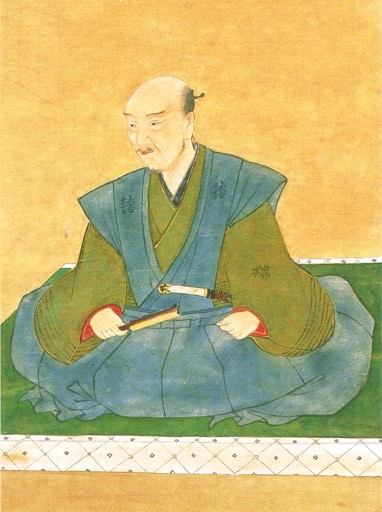
A brilliant administrator who served Toyotomi Hideyoshi and led the Western Army at Sekigahara. Known for his unwavering loyalty and exceptional bureaucratic skills, he represents the tragic fate of those who chose principle over pragmatism.
Conversation Starters
Life Journey
Born into a minor samurai family in Omi Province. His father Ishida Masatsugu served local lords. From early childhood, Mitsunari showed exceptional intelligence and administrative aptitude that would define his life's work.
According to legend, young Mitsunari served tea to Toyotomi Hideyoshi at a temple. He offered three cups of progressively hotter tea, showing wisdom beyond his years. Impressed, Hideyoshi took him into service, beginning their lifelong bond.
Officially entered the service of Hashiba Hideyoshi as a page and administrative assistant. His organizational skills and attention to detail quickly made him indispensable. He began learning the complex art of military logistics and domain management.
As Hideyoshi's power grew, so did Mitsunari's responsibilities. He became one of the key administrators managing supplies, communications, and logistics for Hideyoshi's expanding campaigns. His meticulous record-keeping earned him trust but also jealousy from warrior generals.
Appointed as magistrate of Sakai, one of the wealthiest commercial cities in Japan. He reformed taxation, regulated merchants, and brought order to the bustling port city. His administrative policies demonstrated both efficiency and fairness.
Managed the massive logistics operation for Hideyoshi's siege of Odawara Castle against the Hojo clan. He coordinated supplies for over 200,000 troops across difficult terrain. This achievement cemented his reputation as the realm's premier administrator.
Appointed as chief administrator for the Korean invasion logistics from the Nagoya base. He managed the complex supply chains across the sea to Korea. His tireless work kept the army supplied despite enormous challenges and distance.
Named one of the Five Commissioners (Go-Bugyo), the highest administrative body under Hideyoshi. He was now officially among the most powerful men in Japan. His portfolio included judicial matters, temple affairs, and domain surveys.
Toyotomi Hideyoshi died, leaving the young Hideyori as heir. Mitsunari was devastated by the loss of his lord and patron of over twenty years. He swore to protect the Toyotomi legacy with his life, setting the stage for future conflict.
Tensions exploded between Mitsunari and the warrior generals led by Kato Kiyomasa and Fukushima Masanori. An assassination attempt forced Mitsunari to flee to Tokugawa Ieyasu for protection ironically. He was forced into retirement at Sawayama Castle.
With Tokugawa Ieyasu campaigning in the east, Mitsunari emerged from retirement to form the Western Army. He rallied daimyo loyal to the Toyotomi cause against Ieyasu's Eastern Army. The stage was set for the decisive battle that would determine Japan's future.
Successfully built a coalition of powerful daimyo including Mori Terumoto, Ukita Hideie, and Konishi Yukinaga. On paper, the Western Army was formidable with over 80,000 troops. However, Mitsunari's administrative background left him unprepared for the politics of war.
On October 21, 1600, the two armies clashed at Sekigahara. Despite initial Western advantages, Kobayakawa Hideaki's betrayal turned the tide. The battle lasted only six hours, ending in total Western defeat. Mitsunari's dream of protecting the Toyotomi died on that field.
Mitsunari fled but was captured hiding in a mountain cave days later. When offered a persimmon, he refused saying it might upset his digestion. When mocked for worrying about health when facing execution, he replied that one must have ambition until the very end.
Executed by beheading at Rokujogawara in Kyoto alongside Konishi Yukinaga and Ankokuji Ekei. He faced death with dignity, refusing to convert to Christianity despite Konishi's urging. His head was displayed publicly, marking the end of the Toyotomi era.