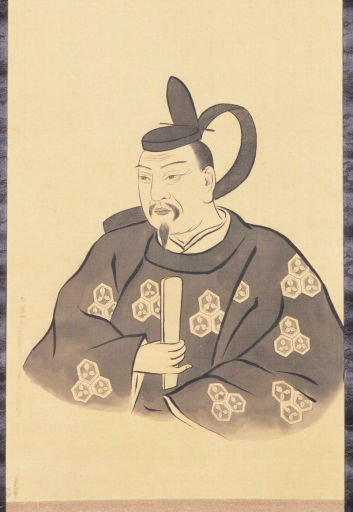
Quick Facts
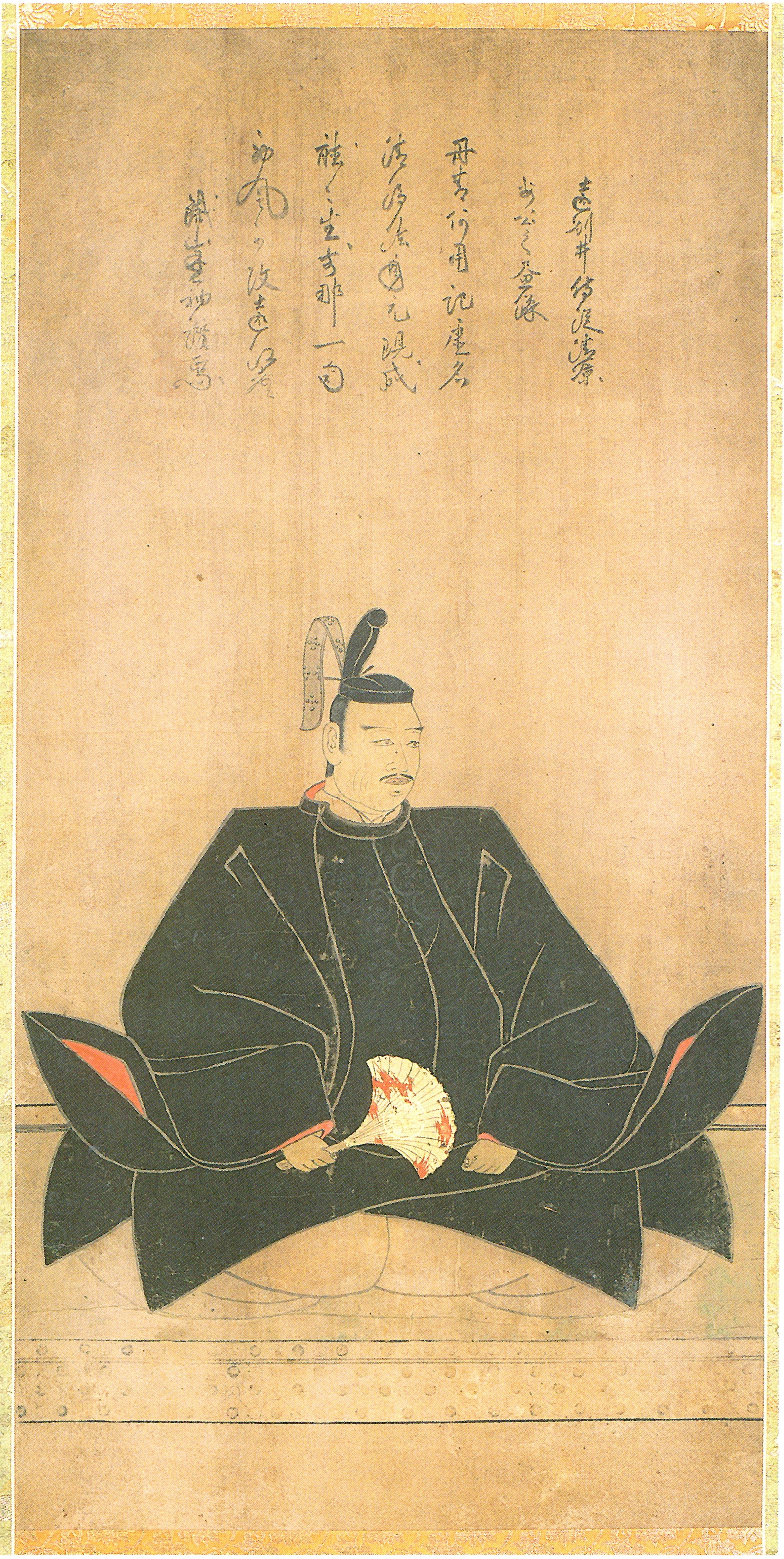
A brilliant samurai administrator who paired strategic counsel with moral courage, serving the Uesugi clan through chaos.
Conversation Starters
Life Journey
Born as Higuchi Yoroku in Echigo Province during Japan's Sengoku turmoil, he grew up amid rival clans and shifting alliances. Local warfare and Uesugi influence shaped his early expectations of service and discipline.
As a boy he was placed in the Uesugi household, learning martial skills, court etiquette, and record-keeping expected of retainers. The householdâs culture of duty under Uesugi Kenshin set a stern standard for him.
Uesugi Kenshin died in 1578, triggering the violent Otate no Ran succession dispute between Uesugi Kagekatsu and Uesugi Kagetora. The conflict hardened Kanetsuguâs political instincts and tied his future to Kagekatsuâs camp.
After Kagekatsu prevailed, Kanetsugu advanced as a capable organizer who could coordinate messengers, finances, and troop movements. His talent for calm planning made him valuable in rebuilding authority in Echigo Province.
He was adopted into the influential Naoe house, a move that strengthened Kagekatsuâs internal administration and rewarded proven loyalty. Taking the name Naoe Kanetsugu positioned him among the Uesugi leadership circle.
News of Oda Nobunagaâs death at HonnĹ-ji destabilized national politics, forcing regional lords to reassess threats and opportunities. Kanetsugu helped the Uesugi navigate diplomacy while maintaining defenses in the north.
As border pressures mounted, he oversaw logistics and fortress readiness, ensuring supplies and communications across contested routes. These years built his reputation as a rare retainer who paired strategy with administration.
Toyotomi Hideyoshiâs unification compelled major clans to accept his authority after the Odawara Campaign. Kanetsugu supported Kagekatsuâs alignment with Hideyoshi, preserving the clanâs status within the new regime.
The Uesugi were transferred to Aizu, requiring new cadastral control, castle management, and vassal resettlement. Kanetsugu led practical governance measures that stabilized the move and secured revenue for future campaigns.
When Hideyoshi launched the invasions of Korea, many daimyĹ faced heavy mobilization demands and logistical strain. Kanetsugu helped manage Uesugi resources and obligations, balancing national orders with local stability.
Hideyoshiâs death in 1598 reignited factional rivalry between Tokugawa Ieyasu and other Toyotomi supporters. Kanetsugu worked to keep the Uesugi aligned with anti-Tokugawa forces while preparing for probable war.
In a famous, defiant reply to Tokugawa Ieyasuâs accusations, Kanetsugu asserted the Uesugiâs honor and rejected intimidation. The letter became a symbol of bold rhetoric amid the tense buildup to the Battle of Sekigahara.
While the main battle loomed in central Japan, Kanetsugu commanded operations against Date Masamune and Mogami Yoshiaki in the north. These actions aimed to secure Uesugi positions, but the Tokugawa victory altered everything.
After Sekigahara, the Uesugi were drastically reduced and transferred to Yonezawa, forcing harsh austerity and reorganization. Kanetsugu helped prevent collapse by restructuring retainersâ stipends and stabilizing domain finances.
Facing a smaller fief and heavy obligations, he promoted land development, irrigation, and tighter accounting to expand agricultural output. These reforms strengthened the Uesugiâs long-term viability under the Tokugawa order.
The Tokugawa victory in the Siege of Osaka ended major Toyotomi resistance and cemented the shogunateâs authority. Kanetsugu focused on compliant governance and internal resilience, ensuring the clan avoided renewed suspicion.
Kanetsugu died in the early Edo period, remembered as Kagekatsuâs indispensable counselor and organizer. His legacy endured in Yonezawaâs administrative foundations and the enduring legend of the 'Naoe Letter.'