Quick Facts
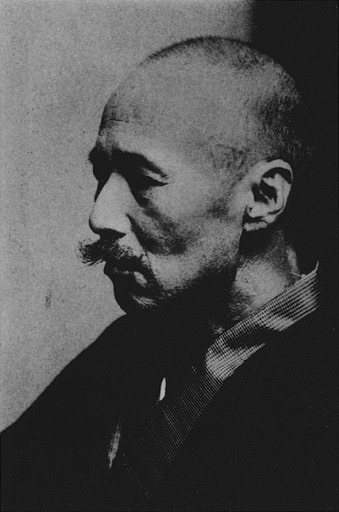
A master of eerie romanticism who fused folklore, urban modernity, and lyrical prose into unforgettable Japanese fiction.
Conversation Starters
Life Journey
Born in Kanazawa, Ishikawa Prefecture, as Kyotaro Izumi, amid rapid Meiji-era modernization. The city’s samurai heritage and local legends later informed his lifelong attraction to ghosts, devotion, and tragic romance.
His mother died when he was still a child, leaving a lasting sense of loss that echoes through his fiction. The grief helped shape his recurring themes of yearning, idealized women, and love shadowed by impermanence.
As a student, he avidly read popular fiction and classics while absorbing kabuki and storytelling traditions. Kanazawa’s festivals and folktales provided a living archive of images he later reworked into modern prose.
He left Kanazawa for Tokyo, determined to become a writer in the capital’s competitive literary world. The move exposed him to bustling modern city life that would contrast sharply with the eerie, timeless spaces in his stories.
He entered the orbit of celebrated novelist Ozaki Koyo and joined the influential Kenyusha circle. Under Koyo’s mentorship, he refined his style, discipline, and sense of narrative music while learning how the publishing world worked.
He began publishing fiction and sketches in literary outlets, building a reputation for ornate language and unusual atmospheres. Regular deadlines trained him to balance lyrical ambition with the practical demands of serialized publication.
In mid-1890s Tokyo, he shaped a distinctive mode that mixed sentimental love plots with supernatural dread. Rather than realism alone, he pursued emotional truth through dreamlike imagery, folklore motifs, and theatrical pacing.
He gained wide attention for 'The Holy Man of Mount Koya' (Koya Hijiri), a haunting travel tale of confession and illusion. The story’s mountain setting and ambiguous terror showcased his ability to make the supernatural feel psychologically intimate.
As literary tastes evolved, he resisted strict naturalism and defended the power of artifice and romance. His work offered an alternative modernity, where city streets, old legends, and private desire collide in shimmering prose.
He increasingly wrote with theatrical dynamics, collaborating with performers and adapting narratives for the stage. The dialogue-driven tension of kabuki and shinpa influenced his pacing, making many stories feel ready-made for performance.
In the late Meiji years, he produced widely read fiction and essays that emphasized beauty tinged with dread. Critics noted his meticulous diction and his fascination with devoted women, curses, and the thin boundary between dream and waking life.
He wrote 'Yasha-ga-Ike' (The Demon Pond), transforming folklore into a dramatic conflict of duty, love, and disaster. The work’s atmosphere and moral intensity helped secure his place as a key bridge between literature and modern Japanese theater.
During the Taisho period’s cultural boom, his stories reached broader readers through magazines and stage productions. He remained distinctive by pairing modern city life with older mythic patterns, making contemporary anxieties feel like ancient fate.
Younger authors and critics studied his prose for its musical cadence and atmospheric control. His work helped define a Japanese gothic sensibility, showing how fear could emerge from tenderness, etiquette, and romantic devotion rather than gore.
After the 1923 Great Kanto Earthquake devastated Tokyo and Yokohama, he persisted amid disruption and loss. The catastrophe intensified public awareness of fragility, aligning with his long-standing themes of sudden ruin and haunted continuity.
In the early Showa era, he oversaw editions of his work and continued publishing, attentive to phrasing and tone. His reputation solidified as an essential stylist whose romantic imagination offered escape and critique during increasingly tense times.
He died in Tokyo after a long literary career that shaped modern Japanese fantastical writing. Readers and dramatists continued adapting his works, preserving his unique blend of lyric beauty, moral obsession, and supernatural unease.