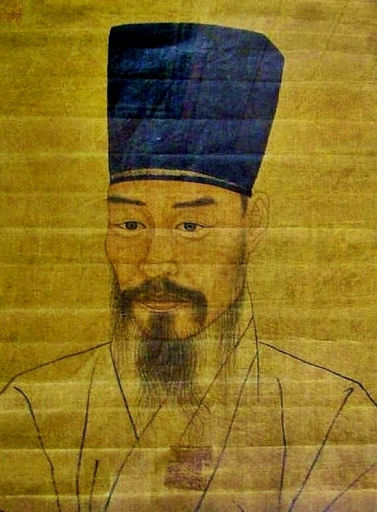
Quick Facts
A principled Neo-Confucian reformer who challenged court corruption, expanded learning, and paid dearly for moral politics.
Conversation Starters
Life Journey
Born as Jo Gwang-jo (조광조) in Joseon Korea to a yangban household shaped by Confucian learning and factional politics. His childhood unfolded under King Seongjong’s stable reign, when state examinations and academies defined elite ambition.
After King Seongjong died, Yeonsangun’s court became notorious for repression and punitive purges. The atmosphere of fear and corruption hardened Jo’s conviction that moral principle must restrain royal power and ministerial self-interest.
The 1504 purge against scholars revealed how quickly politics could turn lethal when learning confronted tyranny. Jo absorbed the lesson that righteous remonstrance required institutional protection, not merely personal courage at court.
A coalition of officials deposed Yeonsangun and enthroned King Jungjong, promising cleaner governance. The new regime sought moral legitimacy, creating space for Neo-Confucian reformers like Jo to argue for ethical administration and education.
Jo intensified his study of Zhu Xi’s Neo-Confucian canon, emphasizing self-cultivation and public virtue. His austere lifestyle and sharp critiques of opportunism made him admired by younger scholars and feared by entrenched powerholders.
Jo advanced through Joseon’s gwageo examinations, which linked scholarship to office in a highly competitive elite order. His success signaled that moral learning could still translate into authority, despite the lingering influence of coup-era factions.
Serving in central administration, Jo urged King Jungjong to prioritize virtue in appointments and punish bribery. He framed political reform as a restoration of Confucian kingship, arguing that legitimacy came from ethical rule, not mere power.
Jo aligned with Sarim scholars who favored principle-driven politics over the old Hungu establishment tied to the 1506 coup. His growing influence connected study, local moral discipline, and national policy into a single reform program.
Jo promoted hyangyak, local mutual-aid and moral compacts, to align village life with Confucian norms. He argued that good governance began below the palace, with communal accountability curbing corruption, violence, and exploitative elite behavior.
Jo pressed for stronger schooling and the elevation of sincere scholars, using state institutions to spread Neo-Confucian orthodoxy. His proposals challenged hereditary privilege by insisting that moral learning and merit should determine advancement.
As his standing with King Jungjong increased, Jo targeted corrupt officials and sought to purge unworthy figures from influence. The speed of his reforms threatened courtiers who relied on patronage networks, creating a coalition of enemies.
Jo’s agenda aimed to remake governance around moral evaluation and stricter administrative discipline. Hungu leaders depicted him as dangerously radical, warning Jungjong that virtue politics could destabilize the court and weaken royal flexibility.
Opponents mobilized rumor and political theater to portray Jo as a threat to the throne, exploiting Jungjong’s insecurity and court rivalries. The crisis erupted into the 1519 Third Literati Purge, crushing Sarim influence at the center.
Jo was removed from office and sent into exile as his allies were dismissed or punished across the bureaucracy. The exile demonstrated how fragile reform could be when royal favor shifted and factional blocs controlled information at court.
In exile, Jo was ordered to die by poison, a common Joseon method for eliminating high-status officials while preserving formal decorum. His death marked a dramatic reversal of Jungjong’s reform moment and became a lasting symbol of principled politics.
After his death, Sarim scholars preserved Jo’s writings and memory in seowon-style educational networks and factional narratives. His fate taught later reformers to pair moral ambition with political strategy in Joseon’s volatile court environment.