Quick Facts
A reform-minded Joseon monarch shaped by factional politics, he expanded scholarship yet struggled against entrenched power.
Conversation Starters
Life Journey
Yi Yeok was born into the House of Yi during the Joseon dynasty, in the royal capital region centered on Hanseong. He grew up in a court culture dominated by Neo-Confucian ritual, education, and intense factional competition.
As Yeonsangun took the throne, the palace atmosphere became increasingly fearful for officials and princes alike. The young prince observed how purges and personal vendettas could overturn law and threaten the royal family’s stability.
The 1498 purge targeted Confucian scholars and officials, sending shockwaves through the bureaucracy and academies. The episode reinforced how scholarship and politics were inseparable, and how quickly accusations could become lethal.
The 1504 purge intensified repression under Yeonsangun, and many court figures were exiled or executed. Yi Yeok’s survival depended on caution and alliances, as even royal kin could be swept up in palace retaliation.
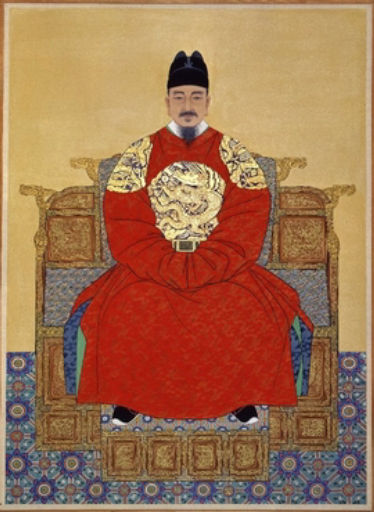
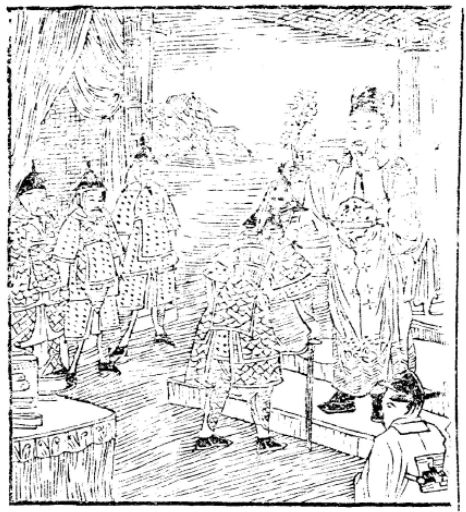
A coalition of high officials and military figures removed Yeonsangun and elevated Yi Yeok as king to restore Confucian governance. The new monarch owed his crown to the plotters, creating immediate dependence on powerful ministers and factions.
Early in his reign, Jungjong focused on restoring court procedures, rewarding coup supporters, and reestablishing predictable administration. He sought to heal the bureaucracy’s trauma while balancing rival groups who expected influence and offices.
Disturbances involving Japanese residents and trade networks erupted on Jeju, exposing vulnerabilities in coastal security and local governance. The court responded by tightening oversight and reinforcing defenses, mindful of piracy and maritime commerce.
Jungjong emphasized the civil service examinations and Confucian education to rebuild bureaucratic capacity after years of upheaval. By elevating learned officials, he tried to counterbalance the informal power of entrenched court families.
The king increasingly listened to younger Sarim scholars who advocated moral governance, local academies, and stricter official conduct. Their rise promised cleaner administration but also threatened the interests of established Hungu elites at court.
Jo Gwang-jo became a leading voice in the court, pressing for reforms rooted in Zhu Xi’s Neo-Confucian ideals. Jungjong supported him to strengthen ethical rule, yet understood that rapid change could provoke fierce backlash from older factions.
Reformers pushed policies to curb corrupt appointments, elevate merit, and expand local moral governance through scholarship networks. These changes disrupted patronage systems, and opponents framed them as ideological overreach threatening the monarchy’s control.
Conservative elites engineered accusations that Jo Gwang-jo and allies were undermining royal authority, leading to arrests, exile, and executions. Jungjong permitted the purge to survive politically, a decision that haunted his reign and chilled reform for years.
After eliminating the reform bloc, the king tried to stabilize governance and prevent further spirals of vengeance. He distributed offices carefully, yet the precedent of purges entrenched suspicion and made principled administration harder to sustain.
Court politics repeatedly shifted as officials competed for influence over appointments, taxation, and ritual authority. Jungjong’s cautious balancing act kept the throne secure but also limited decisive policy, as each move risked provoking another coalition.
The reign continued to value learning through state schools and scholar networks, even after the purge discredited certain reformers. By fostering educated officials, Jungjong aimed to strengthen administrative competence and moral legitimacy across the provinces.
Provincial governance demanded constant attention to land taxation, granary management, and relief during local hardship. The court relied on magistrates and inspection systems to limit abuse, though factional patronage often complicated enforcement.
Late in his reign, politics increasingly revolved around royal consorts’ families and their allies, shaping succession calculations. Jungjong sought a stable transition, but the court’s dependency on kin networks foreshadowed new struggles after his death.
Jungjong died after nearly four decades on the throne, leaving a state strengthened in scholarship yet scarred by repeated purges. His successor Injong inherited unresolved factional rivalries and the lingering consequences of the 1519 purge.