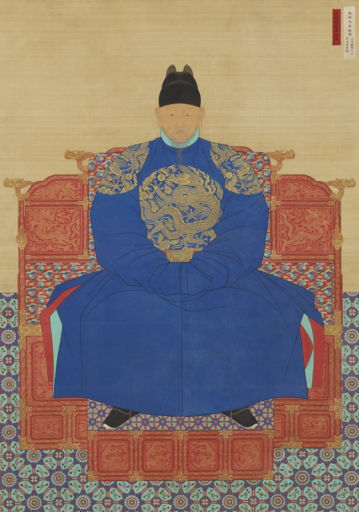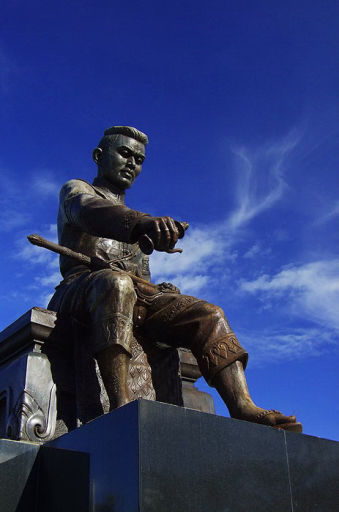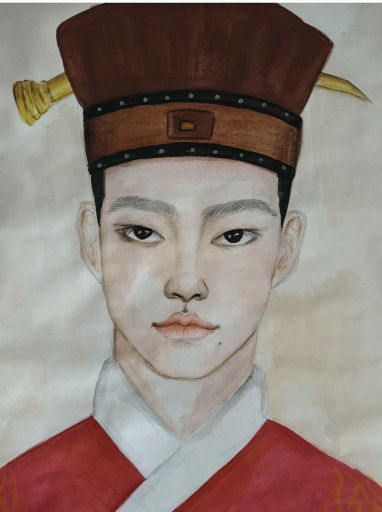
Quick Facts
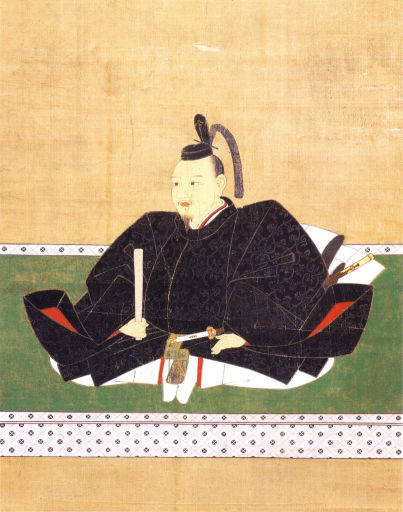
Notorious Joseon ruler whose paranoia and cruelty fueled purges, censorship, and a dramatic coup that ended his reign.
Conversation Starters
Life Journey
Born as Yi Yung in the Joseon royal family during the reign of King Seongjong. His mother was Lady Yun, later Queen Yun, whose court conflicts would cast a long shadow over him.
Lady Yun was removed from the position of queen after allegations of jealousy and violence within the palace. The factional court politics around her fall left the young prince vulnerable to rumors and manipulation.
Queen Yun was executed, reportedly by poison, after officials judged her actions incompatible with Confucian royal virtue. The event was concealed and discussed cautiously, creating a latent source of resentment and suspicion.
Yi Yung was formally named Crown Prince, beginning more direct preparation for kingship under Joseon's bureaucratic court. Senior officials and scholar-administrators of the Hall of Worthies tradition shaped his expected role as a Confucian ruler.
After King Seongjong died, the Crown Prince became King Yeonsan and inherited a highly literate, faction-prone bureaucracy. Early governance followed established institutions, but tensions with outspoken officials soon intensified.
The Office of the Inspector-General and the Office of the Censorate criticized court behavior and appointments, expecting moral rectitude from the king. Yeonsangun increasingly treated remonstrance as personal insult rather than constitutional restraint.
Officials and scholars were punished after writings associated with Kim Jong-jik’s school were deemed politically dangerous. The purge weakened reform-minded Sarim scholars and signaled that historical criticism could be treated as treason.
Yeonsangun relied more on personal informants and harsh punishments to control the court. Fear spread through the bureaucratic ranks, and frank policy debate in official memorials became riskier and more self-censored.
Court resources were redirected toward entertainment and the king’s private desires rather than austere Confucian ideals. Favoritism toward select attendants and factions deepened resentment among scholar-officials and military households alike.
Institutions designed to criticize the monarch, including the Three Offices, faced firmer limits on speech and reporting. The political culture shifted from moral persuasion to coercion, eroding the legitimacy of Confucian governance.
Yeonsangun was informed more fully about his mother Queen Yun’s deposition and execution, and he blamed senior officials and royal women involved. Grief and rage became political weapons, and court life turned into a cycle of accusation and reprisal.
A sweeping purge targeted officials linked to Queen Yun’s case, along with critics in the censorial offices. Many were executed or exiled, and the bureaucracy was reshaped to favor compliance over principled debate.
Yeonsangun curtailed spaces for scholarship and moral instruction, treating texts and lectures as potential sedition. Joseon’s educated elite faced intimidation, and policy discussion increasingly occurred in whispers rather than formal deliberation.
A coalition of officials and military figures, including Park Won-jong, moved against the king as fear and resentment peaked. Yeonsangun was deposed, and his half-brother Grand Prince Jinseong was installed as King Jungjong.
Stripped of royal title, he was demoted to the rank of prince (gun) and sent into exile under guard. The new regime sought stability by removing him from the capital and dismantling his remaining network of supporters.
Yeonsangun died only months after the coup, ending one of Joseon’s most infamous reigns. Later chronicles portrayed him as a cautionary example of tyranny and the dangers of unchecked royal power.