Quick Facts
A coup-installed Joseon monarch whose reign was scarred by factional strife, invasions, and humiliating submission to Qing.
Conversation Starters
Life Journey
Born Yi Jong (later King Injo) into the House of Yi during a tense pre-war court atmosphere. He grew up as a distant royal relative rather than an obvious heir, shaped by Confucian schooling and factional politics.
After King Seonjo died, Gwanghaegun took the throne amid fierce disputes between court factions. The young Yi Jong watched purges and patronage networks harden, learning how legitimacy could be contested in Joseon politics.
He was granted the title Prince Neungyang, increasing his visibility among officials dissatisfied with Gwanghaegun. The title brought household resources and attendants, but also made him a plausible figurehead for opposition plans.
Westerners (Seoin) led by Kim Ryu and Yi Gwi overthrew Gwanghaegun and installed Prince Neungyang as King Injo. The new king owed his crown to factional power, immediately tying royal authority to his backers’ agenda.
General Yi Gwal rebelled after being sidelined, marched on Hanseong, and briefly seized the city. Injo fled, and the court’s chaos exposed how fragile the new regime was, even as loyalist forces retook the capital.
Post-rebellion reprisals widened as officials blamed rivals for instability and disloyalty. The palace climate turned punitive, and political suspicion spread into royal households, deepening the fear-driven governance of early Injo years.
Later Jin forces under Amin invaded Joseon, exploiting internal disorder and strained diplomacy. Injo withdrew from the capital and negotiated peace that forced a new tributary relationship, shocking officials devoted to Ming loyalty.
After the 1627 peace, the court expanded fortifications and sought stronger alignment with the Ming dynasty. Officials argued over frontier policy and military financing, while Injo hesitated between realism and Confucian moral diplomacy.
Crown Prince Sohyeon’s position became central as the court looked for continuity amid rising Manchu pressure. His household began building administrative experience, but the prince’s role also exposed him to factional attacks and suspicion.
Hong Taiji renamed Later Jin as Qing and demanded Joseon acknowledge the new imperial order. Joseon’s refusal, driven by loyalist sentiment and court hawks, set the stage for a far more devastating invasion than in 1627.
As Qing forces swept toward the capital, Injo retreated to the mountain fortress of Namhansanseong. Inside the walls, ministers fought over surrender versus resistance while food dwindled and the winter siege tightened relentlessly.
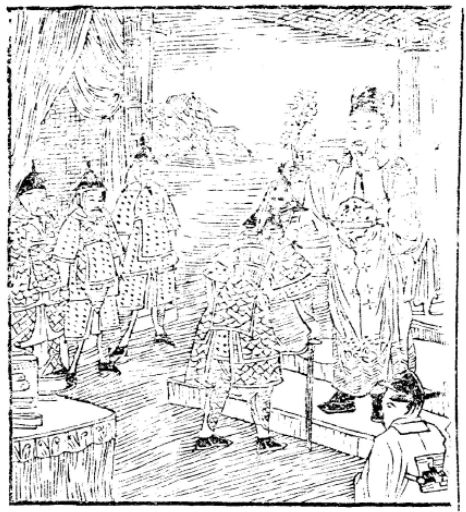
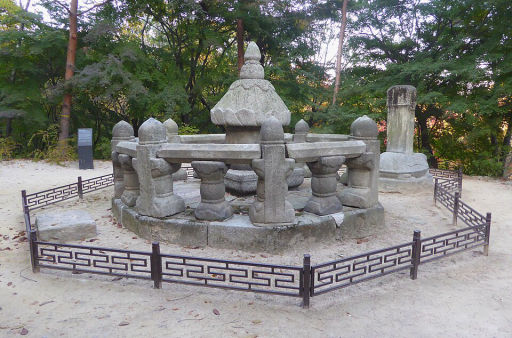
Injo capitulated at Samjeondo, performing submission rituals and accepting Qing suzerainty. The treaty required tribute and hostages, and it devastated Joseon’s self-image as a 'Little China' guardian of Ming Confucian civilization.
To guarantee compliance, Joseon sent Crown Prince Sohyeon and Prince Bongrim (later Hyojong) to the Qing court. The royal hostages lived among Qing elites and foreign envoys, absorbing new military and political realities.
News arrived that Beijing fell and the Ming order collapsed, confirming that Joseon’s hoped-for restoration was unlikely. The court’s debates shifted from moral loyalty to survival, while anti-Qing resentment simmered in scholarship and ritual.
Sohyeon came back with experience of Qing governance and contact with Jesuit-influenced knowledge at court. His openness to pragmatic accommodation unsettled conservative ministers, and it widened a dangerous rift between father and heir.
Only months after returning, Sohyeon died abruptly in the palace, prompting rumors of poisoning and political intrigue. Injo’s handling of the aftermath—especially the harsh treatment of the crown prince’s supporters—deepened court trauma.
Injo named Prince Bongrim as the new heir, prioritizing stability after Sohyeon’s controversial death. The choice aligned the succession with more conservative court forces, while the new crown prince quietly nurtured plans for future recovery.
Injo died with Joseon still bound to Qing diplomacy and scarred by internal purges and wartime loss. He was succeeded by Hyojong, whose reign would be shaped by resentment of Qing dominance and the lessons of hostage years.