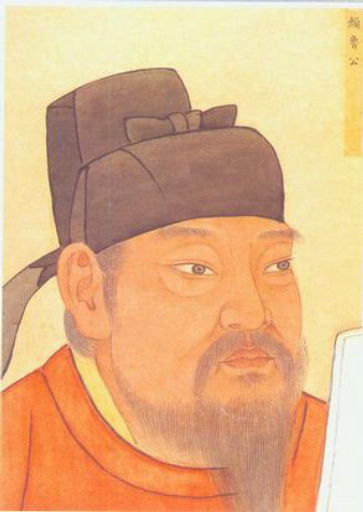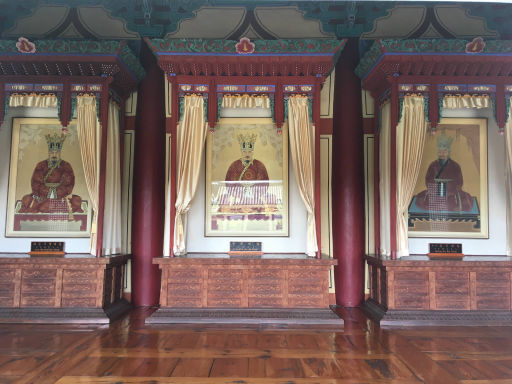
Quick Facts
Unified much of the Korean Peninsula, then became a sea-dragon guardian in enduring Silla legend and statecraft.
Conversation Starters
Life Journey
Kim Beopmin was born into the Gyeongju royal court as the son of Kim Chunchu, the future King Muyeol. He grew up during fierce rivalry with Baekje and Goguryeo, when Silla depended on careful diplomacy and military reform.
As a royal youth in Gyeongju, he was educated in statecraft, ritual, and battlefield leadership shaped by Silla’s elite warrior culture. The court’s Hwarang networks helped him build ties with noble families who would later staff Unified Silla.
Silla’s court pursued a decisive alliance with the Tang dynasty to break the Baekje–Goguryeo balance of power. Beopmin matured politically as envoys and generals debated how to use Tang aid without surrendering Silla sovereignty.
When Kim Chunchu became King Muyeol, the royal family prioritized coordinated campaigns with Tang commanders. Beopmin gained greater responsibility, learning to manage aristocratic factions and the logistics needed for long, multi-front wars.
Silla armies, working alongside Tang forces, helped break Baekje’s defenses and capture the capital at Sabi. The victory reshaped peninsula politics and created new challenges as conquered territories required administration, policing, and reconciliation.
On Muyeol’s death, Beopmin became King Munmu, inheriting an unfinished unification war and a complicated Tang partnership. From Gyeongju, he coordinated commanders, rewarded allies, and prepared for the next phase against Goguryeo.
Munmu’s court sought to prevent rebellion by balancing punishment with pragmatic incorporation of local leaders. Officials were appointed to supervise key towns and supply routes, ensuring Silla could sustain campaigns farther north.
Goguryeo’s internal factionalism deepened after the powerful leader Yeon Gaesomun died, opening a strategic window. Munmu coordinated intelligence and border pressure, aiming to prevent Tang from claiming exclusive control over northern gains.
Tang–Silla forces captured Pyongyang and ended the Goguryeo state, transforming the Three Kingdoms landscape. Munmu immediately faced a new problem: Tang administrators moved to install protectorates, threatening Silla’s independence.
Tang attempted to govern former Baekje and Goguryeo lands through regional protectorates, sidelining Silla. Munmu pressed claims through envoys and military positioning, building a coalition of local forces wary of direct Tang rule.
Silla and Tang troops clashed as Munmu refused to accept Tang garrisons controlling key corridors. The fighting was both diplomatic and military, with Silla leveraging geography, fortifications, and local support to outlast a distant empire.
Silla victories in the mid-670s weakened Tang’s capacity to hold inland positions and supply lines. Munmu’s commanders used coordinated land and coastal operations, steadily narrowing Tang influence and restoring Silla-led governance.
By this point, Tang forces withdrew from many contested areas, leaving Silla as the dominant peninsula state south of the Taedong River. Munmu’s court reorganized administration to integrate former kingdoms while maintaining a strong frontier defense.
Munmu focused on rebuilding after decades of war, stabilizing taxation and local administration across newly unified territories. The court worked to manage aristocratic competition and absorb regional elites to reduce the risk of renewed separatism.
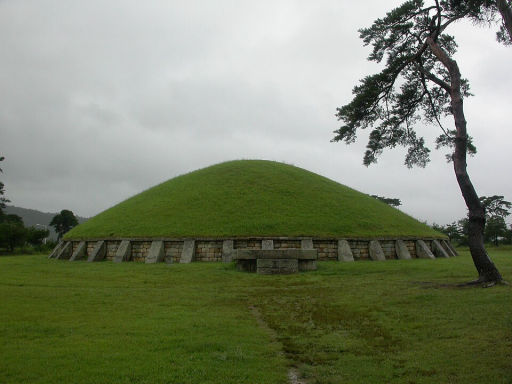
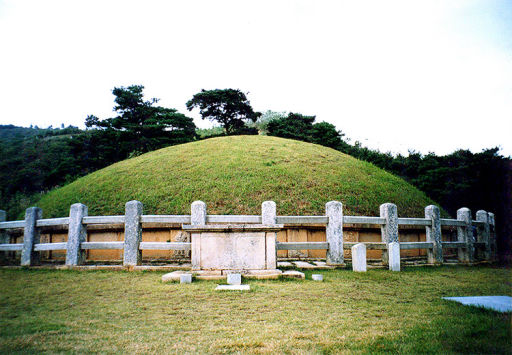
Munmu died after securing Silla’s dominance and left instructions for a burial at sea, symbolically becoming a protective dragon in popular belief. The tradition associated his spirit with coastal defense, later linked to sites like Daewangam near Gyeongju.
After his death, court ritual and local storytelling reinforced Munmu as a unifier and maritime guardian, blending politics with Buddhist-inflected legend. Successors used his image to legitimize Unified Silla rule and emphasize vigilance against foreign threat.