Quick Facts
A reform-minded Baekje monarch who strengthened Buddhism, diplomacy, and state administration during Korea’s Three Kingdoms era.
Conversation Starters
Life Journey
Born into Baekje’s ruling family during a turbulent phase of Three Kingdoms rivalry. Court politics and frontier pressure from Goguryeo shaped his early upbringing and expectations of kingship.
Became king as Baekje sought recovery after earlier military setbacks and territorial losses. He inherited a court balancing powerful aristocratic clans while facing threats from Goguryeo and shifting Silla policies.
Relocated the capital to Sabi to improve defense, river transport, and political control over the nobility. The move enabled planned urban development and signaled a renewed, centralized vision for Baekje governance.
Reframed court administration to better manage provinces and aristocratic factions based near Sabi. New offices and clearer ranks strengthened royal authority and helped coordinate taxation, labor, and military logistics.
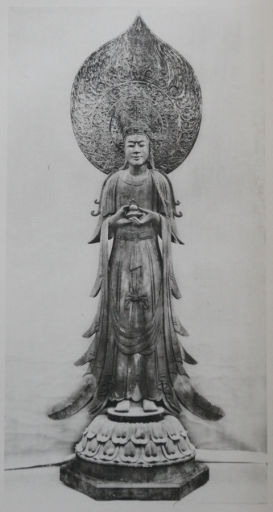
Supported Buddhist institutions to reinforce royal legitimacy and unify elites under shared rituals. Royal patronage encouraged clerics, artisans, and temple networks that linked Baekje culture with broader East Asian trends.
Sent embassies toward Southern China to secure recognition and access to prestige goods and texts. These ties helped Baekje claim cultural authority and obtain models for administration, Buddhism, and craftsmanship.
Sponsored major religious construction that employed skilled craftsmen and spread refined court aesthetics. Buddhist images, architecture, and ritual objects became key instruments for diplomacy and internal cohesion.
Worked with Silla’s court to counter Goguryeo’s pressure along contested frontiers. The alliance reflected pragmatic geopolitics, where temporary cooperation promised territorial recovery and strategic depth for Baekje.
Participated in joint operations aimed at reclaiming valuable river corridors and fertile lands. Control of the Han River promised trade advantages and a buffer zone, but it also intensified competition with Silla.
Dispatched a Buddhist image, sutras, and ritual items to the Yamato court to deepen ties and influence. The embassy encouraged religious debate among Japanese elites and showcased Baekje’s cultural sophistication.
Supported exchanges of skilled specialists, including craftsmen and literate officials, to strengthen Yamato state formation. These links helped Baekje secure overseas partners and potential military assistance when needed.
Silla’s increasing hold over strategic territory alarmed Baekje’s court and undermined the alliance’s balance. Seong’s diplomacy shifted toward safeguarding Baekje’s interests amid deepening mistrust and border incidents.
Mobilized forces and coordinated defenses as Baekje perceived encirclement by former partners. Court planning emphasized fortifications, supply lines, and rapid response, reflecting the era’s constant frontier warfare.
Pushed to regain leverage in key corridors connecting central Korea to Baekje’s heartland. These actions were shaped by aristocratic demands for land and prestige, as well as the king’s need to deter Silla.
Died in battle during Baekje’s attempt to challenge Silla’s advances, a blow that shook court morale. His death exposed the fragile nature of alliances and accelerated strategic recalculations across the peninsula.
His reign left lasting administrative patterns centered on Sabi and strengthened royal use of Buddhism in statecraft. Cultural and religious exchanges with Japan and China carried Baekje influence beyond its borders.