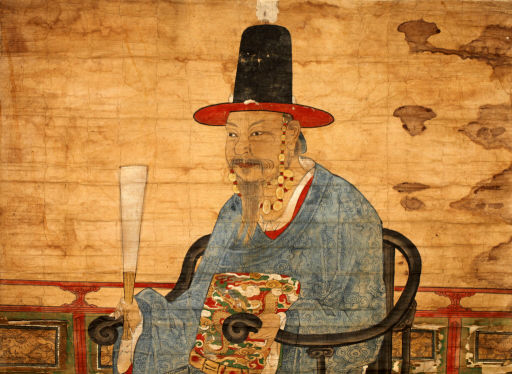
Quick Facts
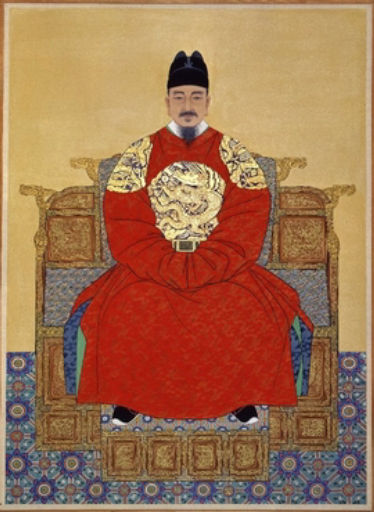
A cautious Joseon monarch whose reign was shaken by factional strife, reform attempts, and devastating foreign invasions.
Conversation Starters
Life Journey
Born Yi Yeon, later King Seonjo, into the House of Yi during King Myeongjong’s reign. His early status was not that of a direct heir, but palace education in Confucian classics prepared him for court life.
He became king when Myeongjong died without a son, elevating a young Yi Yeon to the throne. The succession depended heavily on court consensus, setting the stage for powerful scholar-official influence over policy.
Seonjo emphasized Neo-Confucian statecraft and expanded recruitment of literati officials through examinations and recommendations. He drew on prominent Sarim scholars, hoping to curb entrenched abuses and renew moral government.
A major court rupture crystallized into Easterners and Westerners, intensifying ideological disputes into personal rivalries. The split weakened consistent decision-making and made appointments and military readiness vulnerable to partisan swings.
His reign supported hyanggyo and seowon institutions that trained provincial elites and reinforced Confucian norms. While strengthening education, these networks also amplified factional patronage and competition across the countryside.
Joseon faced persistent instability along the northern frontier as Jurchen groups raided and challenged border defenses. Court disputes over funding and command complicated coherent responses, revealing dangerous gaps in military administration.
Seonjo’s court approved Admiral Yi Sun-sin for a crucial naval command in Jeolla, positioning him near southern sea lanes. Yi’s training, shipbuilding, and discipline soon proved decisive when war erupted the next year.
Toyotomi Hideyoshi launched a massive invasion, and Japanese armies rapidly captured key cities, including the capital. Seonjo fled north as government records and institutions were thrown into chaos and civilian suffering spread.
The court regrouped in Pyongyang while attempting to organize defenses and issue orders to provincial commanders. The king’s displacement damaged legitimacy, yet it also forced emergency coordination with local forces and militias.
Seonjo appealed to the Ming court for assistance, framing the conflict within tributary defense and regional stability. Ming generals and troops arrived to support Joseon, shaping wartime diplomacy and strategic planning thereafter.
Combined Joseon and Ming operations helped reclaim the capital area, allowing a partial restoration of administration. Yet devastated infrastructure, refugee movements, and factional blame made reconstruction and command unity extremely difficult.
As major battles fluctuated, officials debated negotiation versus continued resistance, while Ming-Japanese talks produced uncertainty. Seonjo’s court struggled to synchronize allied strategy, and factional arguments repeatedly disrupted policy clarity.
Japan renewed large-scale attacks, and court politics led to Yi Sun-sin’s removal and later urgent reinstatement. After the fleet’s near collapse, Yi rebuilt naval power and restored control of crucial coastal supply routes.
Yi Sun-sin’s fleet won a dramatic victory at Myeongnyang, disrupting Japanese logistics and morale despite severe numerical inferiority. The success stabilized southern defenses and gave Joseon and Ming forces strategic breathing room.
Following Hideyoshi’s death, Japanese forces began withdrawal, culminating in the Battle of Noryang. Victory came at great cost, including Admiral Yi Sun-sin’s death, leaving Seonjo’s court to mourn and rebuild a ruined kingdom.
The government attempted to rebuild granaries, fortifications, and records lost during the invasions while confronting famine and depopulation. Emergency levies and corvée demands increased hardship, fueling disputes over reform and accountability.
As Seonjo aged, succession politics intensified, especially regarding Crown Prince Gwanghaegun’s legitimacy and rivals backed by factions. Court debates over lineage and merit deepened distrust among officials and within the royal household.
Seonjo died after decades marked by factional conflict and the catastrophic Imjin War, leaving unresolved political divisions. Gwanghaegun inherited a scarred state still dependent on reconstruction, diplomacy, and careful military recovery.