Quick Facts
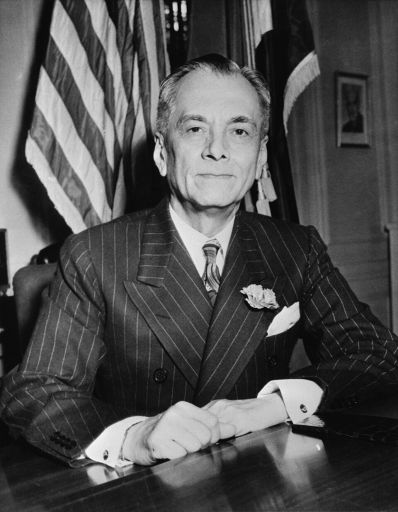
A shrewd Filipino statesman who steered the Commonwealth toward independence while balancing U.S. ties and domestic reform.
Conversation Starters
Life Journey
Born in the coastal town of Baler in Tayabas Province under Spanish rule. His parents, Lucio Quezon and Maria Dolores Molina, provided an education that pushed him toward public life.
As the Philippine Revolution erupted, he was drawn into the nationalist atmosphere that challenged Spanish authority. The conflict and shifting loyalties shaped his early views on sovereignty and law.
He joined the revolutionary side during the Philippine-American War as the new American administration expanded control. The defeat of Emilio Aguinaldo’s government forced many nationalists to rethink strategy and methods.
He entered local administration as the Americans built civil institutions to replace military rule. Working inside the system taught him how to use elections, courts, and legislation to pursue nationalist goals.
He won election as provincial governor, gaining experience managing budgets, infrastructure, and local patronage. The post gave him a political base and visibility beyond Tayabas, especially in Manila circles.
After studying law at the University of Santo Tomas, he passed the bar and began practicing. Legal training strengthened his skill in argument and negotiation, crucial for later dealings with U.S. officials.
He entered the newly created Philippine Assembly, the lower house under American colonial administration. The chamber became a training ground for nationalist leaders, where he cultivated alliances and parliamentary tactics.
He traveled to Washington, D.C. as part of the Philippine commission lobbying for self-government. The trip exposed him to U.S. party politics and helped build relationships with influential American lawmakers.
The Jones Law reorganized the legislature into a Senate and House, signaling a promise of eventual independence. Quezon emerged as Senate President, consolidating power and becoming the leading nationalist politician.
He married Aurora Aragon, who later became a prominent public figure as First Lady. Their partnership reinforced his public image and anchored his political life amid Manila’s intense factional rivalries.
During debates tied to the Tydings–McDuffie framework, he positioned himself to lead the transition toward independence. The constitutional project set rules for elections, executive power, and the future republic.
He won the landmark election and took office as Commonwealth President with Sergio Osmena as Vice President. Quezon sought to prepare institutions for independence while managing U.S. oversight and local elites.
His administration launched programs aimed at labor protection, agrarian issues, and administrative modernization. Quezon framed these reforms as necessary to prove Filipinos could govern a stable and democratic state.
He supported policies that elevated a national language based on Tagalog, later called Filipino. The effort aimed to foster unity across regions, though it also sparked debate among Cebuano and Ilocano leaders.
As Nazi persecution intensified, Quezon backed plans to admit Jewish refugees to the Philippines with help from Paul V. McNutt and local partners. The initiative reflected both humanitarian concern and diplomatic calculation.
He won re-election as tensions in the Pacific escalated and defense planning accelerated. Working with U.S. authorities and General Douglas MacArthur, he faced the looming threat of Japanese invasion.
After Japan invaded, he evacuated from the Philippines and continued as Commonwealth President in exile. From the United States, he coordinated with President Franklin D. Roosevelt to keep the Philippine cause visible.
He died of illness while still in exile, as Allied plans to return to the Philippines intensified. His death ended a dominant political era, and Sergio Osmena assumed the Commonwealth presidency.