Quick Facts
Charismatic Roman commander whose alliance with Cleopatra and rivalry with Octavian reshaped the Republic’s final collapse.
Conversation Starters
Life Journey
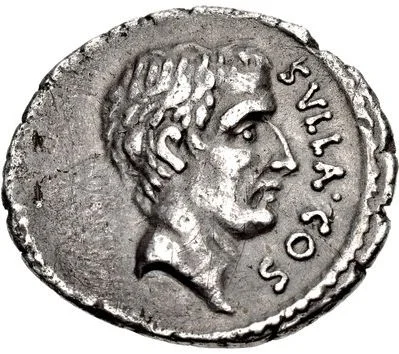
Born as Marcus Antonius into a prominent plebeian Roman family amid turmoil following Sulla’s dictatorship. Early Rome was dominated by factional violence, shaping his later reliance on soldiers, patronage, and bold political theatre.
As a teenager in Rome, he moved through aristocratic circles where reputation, debt, and alliances mattered as much as law. The competitive culture of the Forum taught him to value public spectacle and personal loyalty over cautious restraint.
He joined the staff of proconsul Aulus Gabinius and learned cavalry command and rapid campaigning. Serving in Syria and the Levant connected him to Eastern politics and client kings, a background later vital in dealing with Egypt.
Antony served in Gabinius’s intervention in Egypt that reinstated Ptolemy XII Auletes after his exile. The operation demonstrated how Roman force could decide dynastic disputes, foreshadowing Antony’s later entanglement with the Ptolemies.
He entered Julius Caesar’s circle and served in Gaul, gaining the trust of veterans and officers. Caesar’s model of personal leadership and patronage offered Antony a path to power outside the old senatorial establishment.
As tribune of the plebs, he opposed senatorial moves against Caesar and was driven from Rome in a political showdown. His flight helped justify Caesar’s march into Italy, turning constitutional conflict into open civil war.
During the campaign against Pompey, Antony held key responsibilities in Italy and later joined the operations in Greece. The war’s scale hardened him into a commander used to decisive violence and fast-moving political bargains.
Caesar left him in charge in Italy, where debt disputes and veteran expectations sparked unrest in Rome. Antony’s heavy-handed response damaged his standing with some elites but reinforced his image as Caesar’s enforcer.
After Caesar was murdered in the Theatre of Pompey, Antony seized the state papers and treasury to control the narrative. At Caesar’s funeral in the Forum, his speech inflamed the crowd and forced the conspirators to flee.
He fought against Senate-backed forces near Mutina and was checked by the consuls Hirtius and Pansa. Retreating west, he linked up with Marcus Aemilius Lepidus, preserving an army that made him indispensable in negotiations.
At Bononia, he allied with Octavian and Lepidus to create the legally empowered Second Triumvirate. Their proscriptions targeted enemies and rivals, and the killing of Cicero symbolized the brutal end of senatorial resistance.
In Macedonia, Antony and Octavian confronted the Liberators and won a decisive victory near Philippi. The defeat and suicides of Brutus and Cassius destroyed the last organized Republican armies and divided the Roman world among the triumvirs.
He met Cleopatra VII at Tarsus and drew her into his plans for the Eastern provinces. Their partnership blended diplomacy, wealth, and personal attachment, while Roman critics framed it as a dangerous surrender to foreign luxury.
To secure the peace of Brundisium, Antony married Octavian’s sister Octavia and publicly embraced unity. The marriage was a political bridge between East and West, but it could not permanently contain rivalry and suspicion.
At Tarentum, Antony and Octavian renewed their agreement, trading ships and troops for strategic advantage. Antony then focused on an ambitious Parthian campaign, seeking a conquest that would rival Caesar and legitimize his eastern rule.
His invasion of Parthian territory collapsed under logistics failures and relentless enemy harassment. The harsh retreat through Armenia cost thousands and undermined his prestige, giving Octavian an opening to claim Antony was reckless and declining.
In a lavish ceremony at Alexandria, Antony distributed eastern territories to Cleopatra and her children, including Caesarion. Octavian used the event as propaganda, portraying Antony as betraying Roman traditions and planning an eastern monarchy.
Octavian publicized Antony’s alleged will and emphasized his ties to Cleopatra to turn Italian opinion against him. The Senate declared war on Cleopatra, effectively making Antony the target and pushing both sides into a decisive showdown.
At Actium, Octavian’s fleet under Marcus Vipsanius Agrippa outmaneuvered Antony’s larger but less cohesive forces. Antony and Cleopatra broke through and fled, a retreat that shattered morale and led many allied kings and legions to defect.
Octavian entered Egypt and closed in on Alexandria, leaving Antony isolated as troops surrendered. Believing Cleopatra dead, Antony attempted suicide and died shortly after; Cleopatra followed, ending Ptolemaic independence and the Republic’s last war.