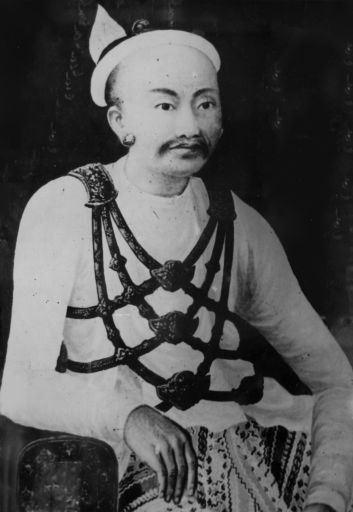
Quick Facts
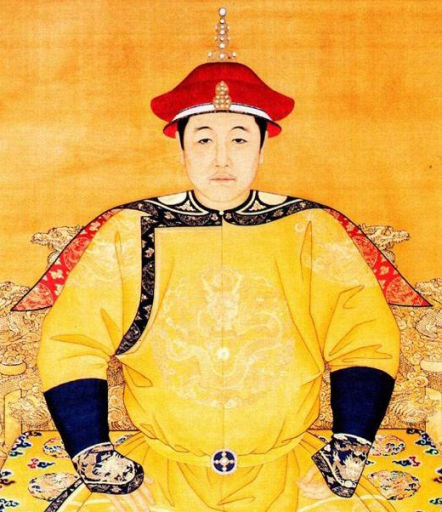
A reform-minded Burmese king who modernized Mandalay, balanced colonial pressure, and sought religious and administrative renewal.
Conversation Starters
Life Journey
Born into Burma’s Konbaung royal house during a period of expanding conflict with British India. As a son of Prince Tharrawaddy, he was raised amid court factionalism and Buddhist royal ceremony shaping future kingship ideals.
The First Anglo-Burmese War ended with the Treaty of Yandabo, forcing Burma to cede Assam, Manipur, and Arakan and pay a heavy indemnity. The shock intensified court debates about military reform, diplomacy, and fiscal survival.
Tharrawaddy Min seized the throne from King Bagyidaw, bringing renewed suspicion toward foreign influence and court rivals. The upheaval exposed Mindon to power politics, elite alliances, and the dangers of succession disputes in Amarapura.
Pagan Min’s reign saw worsening relations with British officials in Rangoon amid commercial disputes and diplomatic incidents. Mindon and his brother Kanaung studied these crises as warnings about coastal trade, diplomacy, and the risk of invasion.
British forces captured Rangoon and key ports, annexing Lower Burma and cutting the kingdom off from vital customs revenue. The defeat convinced many princes that internal reform and controlled engagement with Britain were now unavoidable.
Mindon and his brother Kanaung marched on the court, deposed Pagan Min, and claimed legitimacy as protectors of religion and stability. He began his reign seeking to reduce arbitrary levies, calm the provinces, and avoid provoking British India.
Mindon pursued pragmatic diplomacy with British authorities in Calcutta to prevent another invasion after the loss of the coast. By emphasizing trade and border order, he aimed to buy time for internal consolidation and modernization in Upper Burma.
Crown Prince Kanaung supervised workshops and foundries to improve rifles, cannon, and industrial production for the royal state. Mindon backed these efforts as a response to British military superiority while keeping modernization compatible with court hierarchy.
Following prophetic and logistical reasoning, Mindon chose the Mandalay plain near Mandalay Hill for a planned capital. The move signaled renewal after territorial loss, with a gridded city layout, fortified walls, and a court meant to project stability.
The palace, walls, and moats were constructed to anchor a new administrative center at Mandalay. Mindon relocated officials, artisans, and monasteries, using the city’s design to coordinate taxation, logistics, and royal ritual on a grand scale.
Mindon attempted to regularize revenue demands and limit abuses by local officials who extracted arbitrary payments. These changes strengthened the treasury in Upper Burma and aimed to keep rural communities loyal despite the kingdom’s reduced resources.
Mindon dispatched envoys to British India and beyond to observe modern administration, machinery, and military organization. Reports brought back to Mandalay influenced factory efforts, protocol reforms, and a cautious approach to foreign expertise at court.
A violent plot killed Kanaung, removing Mindon’s most capable modernizing partner and destabilizing succession planning. The shock forced the king to rely on competing court factions, weakening reform momentum and increasing insecurity within the palace.
He expanded support for monasteries, scriptural study, and public merit-making to present himself as a righteous Buddhist king. In Mandalay, royal donations and state ceremonies tied political authority to the Sangha during an era of colonial pressure.
Mindon hosted the Fifth Buddhist Synod, gathering senior monks to recite and authenticate the Tipitaka under royal protection. The event linked Mandalay to island and mainland Theravada networks, projecting unity and moral authority for the kingdom.
At Kuthodaw Pagoda, stone slabs were inscribed with Pali texts to preserve the canon against loss and political upheaval. The monumental project combined scholarship, craftsmanship, and royal sponsorship, making Mandalay a center of Buddhist learning.
British agents pressed for expanded trade access and influence after consolidating Lower Burma as a colonial province. Mindon tried to contain disputes through negotiation and protocol, attempting to protect sovereignty while avoiding a casus belli.
Mindon’s death triggered intense maneuvering among royal relatives and ministers over the next ruler. The fragile transition undermined the court’s capacity to resist British encroachment, setting conditions that soon confronted his successor with crisis.