Quick Facts
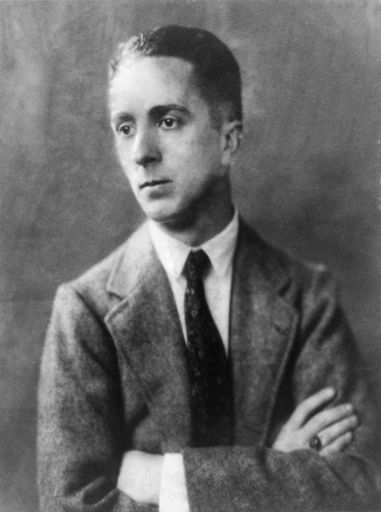
Celebrated illustrator who captured everyday American life with warmth, humor, and meticulous storytelling detail.
Conversation Starters
Life Journey
Born in Manhattan to Jarvis Waring Rockwell and Ann Mary “Nancy” Hill Rockwell. Growing up in New York City, he sketched constantly and found early encouragement for drawing over academics.
He left formal schooling to focus on becoming a professional illustrator, enrolling in rigorous art instruction. The decision reflected both ambition and the booming demand for magazine and advertising artwork in early 20th-century America.
At the Art Students League, he trained under artists such as Thomas Fogarty and George Bridgman, absorbing composition and figure-drawing discipline. The school’s practical approach prepared him for deadlines and narrative illustration work.
Rockwell was hired as art director of Boys' Life, the Boy Scouts of America magazine, while still a teenager. The role sharpened his ability to tell clear visual stories for a national youth audience and editorial clients.
He produced Scout-themed images that helped define a wholesome, idealized vision of American youth and service. These assignments built relationships with editors and established him as a reliable storyteller in print culture.
His first Saturday Evening Post cover, “Boy with Baby Carriage,” launched a decades-long association with the magazine. The cover’s readable humor and character detail signaled his distinctive approach to everyday Americana.
He married Irene O’Connor, beginning an early adult life balancing domestic responsibilities with demanding illustration schedules. The marriage coincided with his rising prominence in national magazines and advertising commissions.
Rockwell relocated to New Rochelle, a suburb known for illustrators and creative professionals, to work in a studio environment. The community offered models, peers, and a calmer setting than Manhattan for detailed narrative painting.
After divorcing Irene O’Connor, he married Mary Barstow, a schoolteacher who became central to his family life and planning. Their home life and children later provided frequent inspiration for domestic scenes in his art.
He moved with his family to Arlington, Vermont, seeking small-town settings that matched his storytelling style. The region’s churches, schools, and local faces fed a steady stream of scenes celebrating community rituals and humor.
Inspired by President Franklin D. Roosevelt’s speech, he created “Four Freedoms” for The Saturday Evening Post: Speech, Worship, Want, and Fear. The images became wartime icons and toured to promote U.S. war-bond drives.
His painting “Rosie the Riveter” presented a muscular, confident worker as a symbol of wartime industry and women’s labor. Published for a mass audience, it reflected how illustration helped shape national morale and identity.
Rockwell settled in Stockbridge, Massachusetts, where neighbors frequently posed for staged scenes and portraits. The town’s quiet streets and civic life suited his method of assembling stories through sketches, props, and reference photos.
After creating 300-plus Post covers over nearly five decades, he ended the relationship as editorial priorities shifted. The change marked a turning point from nostalgic covers toward more topical illustration and broader publication outlets.
He joined LOOK magazine, gaining a platform for contemporary themes beyond the Post’s traditional cover formula. The assignment encouraged more direct engagement with current events, including social justice and political life.
He depicted Ruby Bridges escorted by U.S. marshals to a newly desegregated school, confronting racism with stark realism. Published to a national audience, the painting showed his willingness to use narrative illustration for civil rights.
President Gerald R. Ford awarded him the Presidential Medal of Freedom, honoring his impact on American visual culture. The recognition affirmed how his images shaped popular memory of the 20th century for millions of readers.
He died in Stockbridge, Massachusetts, leaving a vast body of magazine covers, advertisements, and narrative paintings. His legacy endured through museums, reproductions, and debates about nostalgia, realism, and American identity.