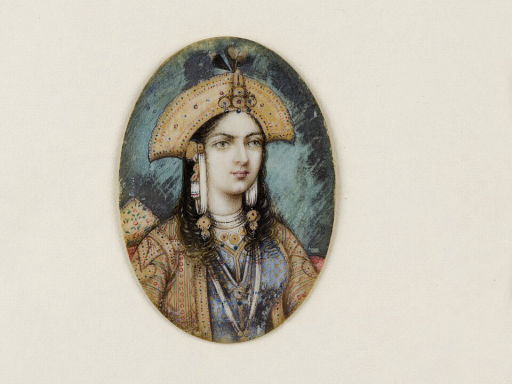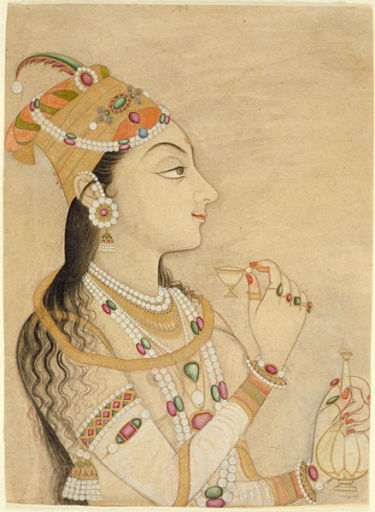
Quick Facts
A formidable Mughal empress who wielded real political power, shaped court culture, and championed architecture and charity.
Conversation Starters
Life Journey
Born Mehr-un-Nissa to Mirza Ghiyas Beg and Asmat Begum, Persian migrants seeking fortune in Akbar’s India. Her family’s difficult journey and later court rise shaped her political instincts and Persianate culture.
Mirza Ghiyas Beg secured employment in Emperor Akbar’s administration, moving the family into the Mughal imperial orbit. Court exposure gave Mehr-un-Nissa education in Persian letters, etiquette, and elite networks.
She married the noble Ali Quli Istajlu, known as Sher Afghan, tying her future to frontier politics. The couple’s postings outside the capital kept her distant from court but sharpened her awareness of imperial power.
After Emperor Jahangir’s accession, Sher Afghan was killed in a violent confrontation with Mughal forces, leaving her vulnerable. As a widow, she and her child faced court scrutiny amid rumors and factional suspicion.
She was brought to court and served among the zenana under senior royal women, including Empress Ruqaiya Sultan Begum. This placement rebuilt her status and positioned her near Jahangir’s inner household politics.
Jahangir married Mehr-un-Nissa and granted her the exalted title Nur Jahan, “Light of the World.” The union quickly became political, as she gained access to audiences, patronage channels, and imperial decision-making.
Her father, Mirza Ghiyas Beg, rose to the powerful office of wazir and received the title Itimad-ud-Daulah. With bureaucratic authority and her proximity to the emperor, their family became a central court faction.
Nur Jahan advanced her brother Asaf Khan into high office, strengthening a family bloc later called the “Nur Jahan Junta.” His influence linked her to succession politics through his daughter Arjumand Banu, later Mumtaz Mahal.
Imperial orders were increasingly issued with her endorsement, reflecting real administrative power during Jahangir’s declining health. Courtiers recognized her as a decisive broker who managed petitions, appointments, and revenue matters.
Gold and silver coins were minted naming Nur Jahan alongside Jahangir, an extraordinary public assertion of a woman’s sovereignty in Mughal practice. The currency signaled her legitimacy to nobles, merchants, and provincial officials.
Sir Thomas Roe of the English East India Company observed her influence and sought favor through courtly diplomacy. Her control over audiences and gifts shaped how foreign merchants navigated Mughal power and privileges.
The strategic fortress of Kandahar fell to Safavid forces, exposing vulnerabilities on the empire’s northwestern frontier. Nur Jahan’s circle faced blame and pressure, intensifying factional rivalry within Jahangir’s court.
Prince Khurram (the future Shah Jahan) rebelled against Jahangir’s court, challenging Nur Jahan’s dominance and appointments. The conflict pitted major nobles against one another and destabilized succession planning across the empire.
Emperor Jahangir died while traveling, and the court split over who would control the throne and treasury. Nur Jahan backed a candidate tied to her faction, but military support swung toward Prince Khurram’s allies.
After Shah Jahan secured power, Nur Jahan was sidelined from governance and moved into a quieter life. Though treated with respect, she no longer directed appointments, finances, or diplomacy at the imperial center.
She is closely associated with commissioning the marble tomb of Itimad-ud-Daulah, celebrated for delicate pietra dura inlay and refined garden design. The monument helped set aesthetic precedents later amplified in Shah Jahan’s era.
In retirement, she maintained a household, supported poets and artisans, and practiced elite forms of charity. Her patronage sustained Persianate court culture even as political authority shifted firmly to Shah Jahan’s circle.
Nur Jahan died after years of relative seclusion, remembered for uncommon female authority in Mughal statecraft. She was buried in Lahore near Jahangir’s tomb complex, leaving a legacy of politics, aesthetics, and imperial symbolism.