Quick Facts
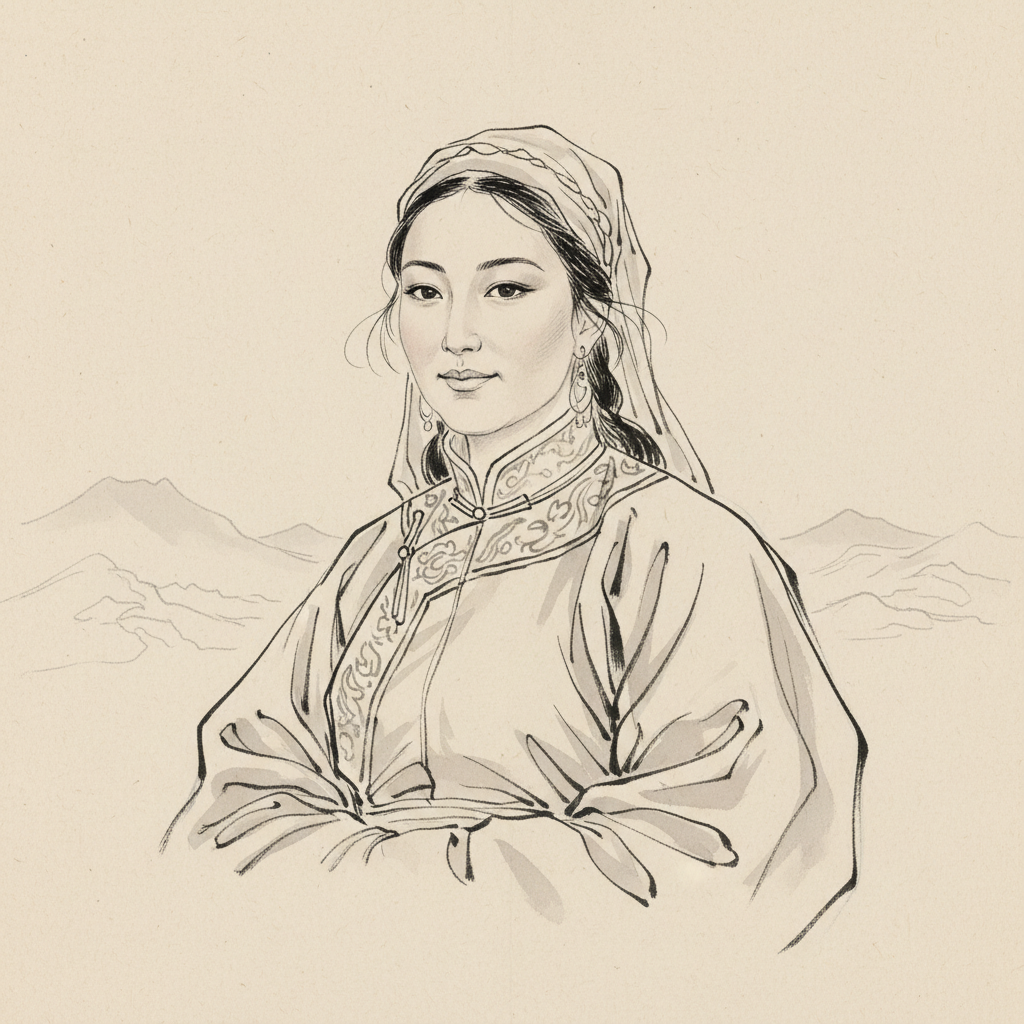
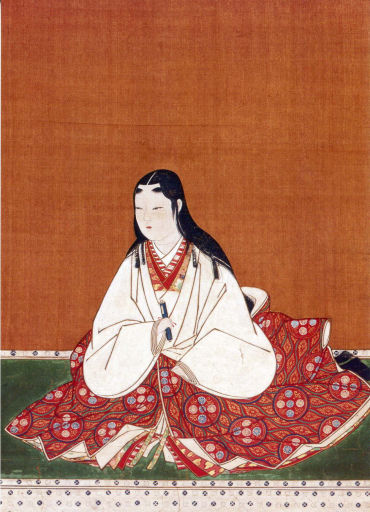
A politically astute Sengoku noblewoman whose marriages and maternal alliances shaped Japan’s unification and Tokugawa-era leadership.
Conversation Starters
Life Journey
Oichi was born into the Oda family in Owari Province, a region fractured by competing warlords. Raised amid military politics, she became a valuable figure for alliance-building under her brother Oda Nobunaga.
As Nobunaga strengthened control over Owari, Oichi grew up in a household where marriages and hostages secured peace. Courtly training and clan etiquette prepared her for a future role in high-stakes diplomacy.
Oda Nobunaga arranged Oichi’s marriage to Azai Nagamasa to stabilize relations with the Azai of northern Ōmi. The union linked Odani Castle to Nobunaga’s expanding power network and temporarily secured the Oda flank.
Living at Odani Castle, Oichi navigated Azai court life while remaining tied to the Oda through blood and correspondence. Her position required balancing affection for her husband with the political expectations of her natal clan.
In 1570, Azai Nagamasa sided with the Asakura clan, turning Oichi’s marriage into a tragic fault line. The decision led to open war with Nobunaga, culminating in battles that reshaped power around Lake Biwa.
Later tradition claims Oichi sent a coded warning to Nobunaga about Azai-Asakura movements, reflecting her divided loyalties. Whether literal or symbolic, the story underscores how women could influence intelligence and diplomacy in wartime.
Following the Oda-Tokugawa victory at Anegawa, pressure on the Azai heartland increased and Odani’s strategic value grew. Oichi endured uncertainty as supply lines, vassal loyalty, and regional alliances shifted rapidly.
Oichi’s daughters—Chacha (later Yodo-dono), Ohatsu, and Oeyo—were raised amid war and negotiation. Their marriages later connected the Toyotomi, Kyōgoku, and Tokugawa houses, amplifying Oichi’s legacy across regimes.
In 1573, Nobunaga’s forces brought down Odani Castle, and Azai Nagamasa died as the clan collapsed. Oichi was permitted to leave with her children, a rare mercy reflecting both kinship and the brutal calculus of conquest.
After Odani’s fall, Oichi and her daughters came under Oda supervision and protection. She faced the delicate task of preserving her children’s prospects while living with the trauma of war between her birth and married families.
As Nobunaga built new administrative centers and promoted vassals, Oichi remained a high-status relative whose remarriage could reshape alliances. Her household became a focal point for negotiations involving former Azai retainers and Oda strategy.
In 1582, Akechi Mitsuhide’s attack at Honnō-ji killed Oda Nobunaga and upended the political order. Oichi’s family position suddenly became precarious as Hideyoshi, Shibata Katsuie, and other leaders vied for control.
Oichi married Shibata Katsuie, a powerful Oda general, strengthening his legitimacy in succession struggles. The match linked Katsuie to Nobunaga’s bloodline, but also placed Oichi in the center of an approaching civil conflict.
Toyotomi Hideyoshi defeated Shibata Katsuie’s coalition at Shizugatake, rapidly shifting control in central Japan. Oichi’s household retreated to Katsuie’s stronghold, knowing that surrender would decide the fate of both clan and children.
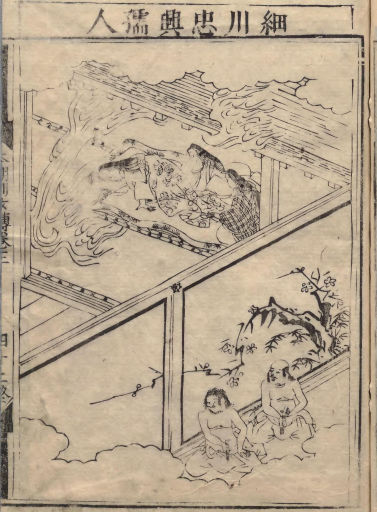
As Kitanosho Castle came under siege, Oichi reportedly sent her daughters to safety, preserving their political futures. The episode reflects the harsh choices elite women made to protect heirs amid Toyotomi consolidation and Oda factional collapse.
In 1583, Oichi died alongside Shibata Katsuie when defeat became unavoidable, a final act bound to Sengoku ideals of honor and loyalty. Her death left her daughters to be absorbed into Hideyoshi’s and later Tokugawa political designs.
Though long deceased, Oichi’s lineage influenced Japan’s power structure as her daughters entered pivotal marriages and courts. Oeyo became Tokugawa Hidetada’s wife, while Yodo-dono became central to the Toyotomi household in Osaka.