Quick Facts
An astute Ottoman ruler who expanded Anatolia and crossed into Europe, institutionalizing a frontier beylik into a state.
Conversation Starters
Life Journey
Born as Orhan Gazi, son of Osman I, in the northwestern Anatolian frontier zone near Byzantine Bithynia. He grew up amid ghazi raids, tribal politics, and shifting alliances that shaped early Ottoman identity.
As a young commander, Orhan took part in pressure on Byzantine towns around Nicaea and Nicomedia. These raids combined cavalry warfare with negotiations for tribute, building Ottoman prestige among frontier warriors.
Following the Ottoman success over Byzantine forces near Bapheus, Ottoman raiders gained freer movement in Bithynia. The outcome encouraged migration of Turkmen fighters and undermined Byzantine rural control around Nicaea.
As Osman I aged, Orhan increasingly directed strategy and managed relations with neighboring beyliks. He relied on experienced captains and religious figures to keep frontier coalitions loyal while sieges tightened around key cities.
After Osman I’s death, Orhan became leader of the Ottoman polity and inherited ongoing sieges in Bithynia. He worked to turn raiding networks into a more durable administration, rewarding supporters with timars and offices.
Orhan’s forces took Bursa after a prolonged blockade, securing a major Byzantine city with rich markets and crafts. He made Bursa the Ottoman capital, funding mosques, baths, and endowments that anchored rule in urban institutions.
Orhan confronted Emperor Andronikos III’s army near Pelekanon, disrupting Byzantine attempts to save Nicomedia. The battle exposed Byzantine weakness in Bithynia and helped the Ottomans tighten control over coastal approaches.
After years of pressure, the key Byzantine city of Nicaea surrendered to Orhan, ending a major center of Byzantine resistance in the region. Orhan protected parts of the city’s population and repurposed institutions for Ottoman governance.
With Nicomedia’s fall, Orhan consolidated Ottoman mastery of northwestern Anatolia’s strategic corridors. Control of ports and roads strengthened revenue and logistics, enabling larger campaigns and more regular administration centered on Bursa.
Orhan absorbed the neighboring Karasid beylik through political maneuvering and force, acquiring ports and experienced commanders. This expansion on the Aegean-Marmara littoral positioned the Ottomans to intervene across the Dardanelles.
Orhan married Theodora Kantakouzene, daughter of Emperor John VI Kantakouzenos, during Byzantine civil conflict. The alliance brought prestige and leverage, allowing Ottoman troops to be invited as auxiliaries in imperial power struggles.
At Byzantine request, Ottoman forces crossed into Thrace during civil wars, gaining firsthand knowledge of Balkan terrain and politics. These expeditions established patterns of raiding, garrisoning, and tribute that later supported permanent expansion.
Orhan’s men obtained the fortress of Tzympe near Gallipoli amid Byzantine factional fighting, creating a bridgehead in Europe. The position enabled rapid crossings and supply, signaling a strategic shift from Anatolia to the Balkans.
A powerful earthquake damaged fortifications around Gallipoli, and Ottoman forces moved quickly to occupy and repair key sites. By settling fighters and families, Orhan converted a temporary foothold into a durable European base.
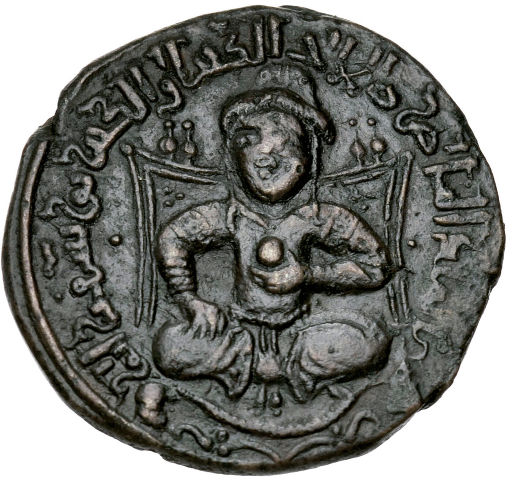
Orhan strengthened state routines by supporting coinage, endowed complexes, and a growing cadre of administrators and judges. In Bursa, foundations tied revenue to public works, linking conquest to legitimacy through Islamic charitable institutions.
Ottoman forces took Edirne during Orhan’s late reign, with leadership increasingly in the hands of his son Murad. The city’s capture deepened Ottoman presence in the Balkans and offered a future administrative center closer to Europe.
Orhan died after overseeing the transition from a frontier beylik to a state with cities, revenues, and European footholds. He was succeeded by Murad I, who expanded the institutional and military systems Orhan had helped solidify.