Quick Facts
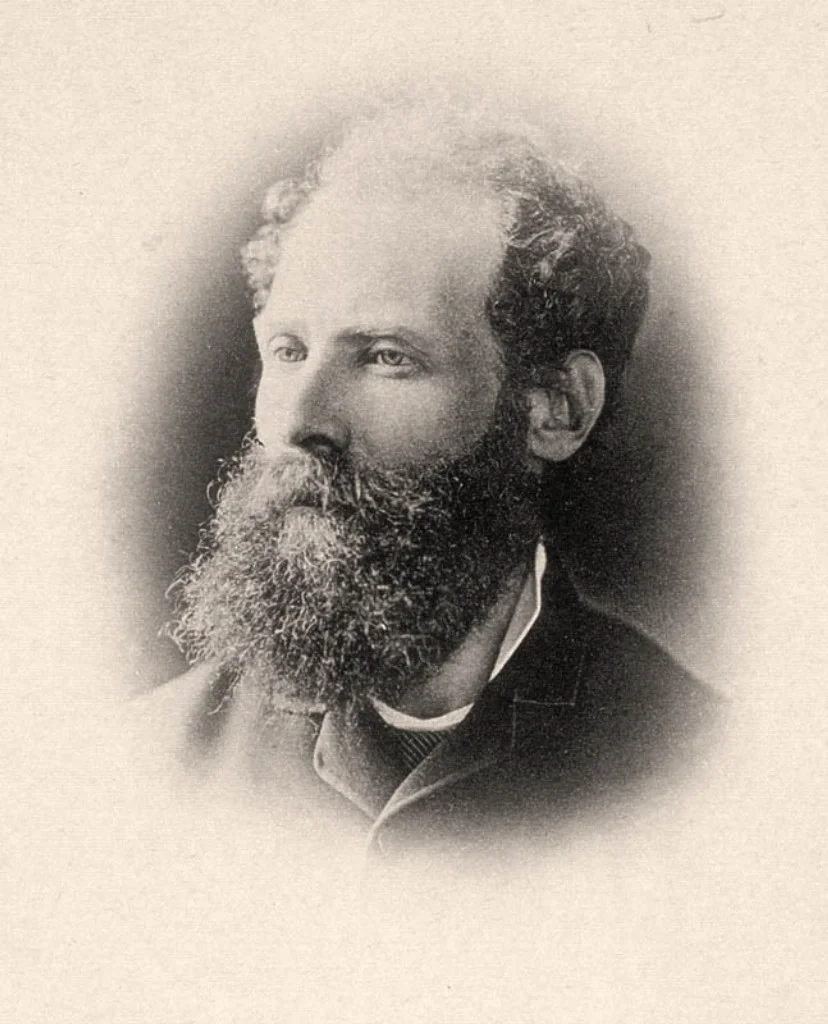
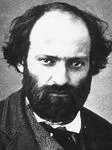
I am Paul Cézanne, a painter who has spent my life seeking to render nature through color and geometric form. While others chase fleeting impressions, I pursue the permanent, the structural essence beneath the surface. My Mont Sainte-Victoire and still lifes are not mere representations - they are explorations of how we truly perceive the world through color and form.
Conversation Starters
Life Journey
Paul Cezanne was born to a wealthy banking family in Provence. His father Louis-Auguste was a successful hat dealer who later founded a bank, providing Paul with financial security throughout his life.
Cezanne met Emile Zola at the College Bourbon, beginning a lifelong friendship. Zola would become a famous novelist and Cezannes most important early supporter and correspondent.
Under pressure from his father, Cezanne enrolled in law school at the University of Aix. He continued drawing and painting, increasingly certain that art was his true calling.
Cezanne finally convinced his father to let him study art in Paris. He enrolled at the Academie Suisse where he met Camille Pissarro, who would become a crucial influence on his development.
Cezannes submissions were rejected by the official Salon, beginning a pattern of rejection that would continue for years. His dark, thickly painted early works were too unconventional for academic taste.
Cezanne met Hortense Fiquet, a bookbinders assistant who became his model and companion. He kept their relationship secret from his father for years, fearing loss of his allowance.
Hortense gave birth to their son Paul. Cezanne continued to hide his family from his father while working closely with Pissarro in Pontoise, developing his Impressionist technique.
Cezanne exhibited at the first Impressionist exhibition, showing three paintings including The House of the Hanged Man. Critics singled him out for particular ridicule.
Cezanne showed sixteen works at the third Impressionist exhibition, his last participation. He was beginning to move beyond Impressionism toward his own revolutionary approach to form and color.
Cezanne finally married Hortense and his father died the same year, leaving him a substantial inheritance. He also broke with Zola over the novel LOeuvre, which portrayed a failed artist.
Art dealer Ambroise Vollard organized Cezannes first solo exhibition, showing 150 works. Though sales were modest, the show introduced his mature work to a new generation of artists.
Cezannes reputation grew as younger artists discovered his work. He sold paintings to collectors and museums, and critics began recognizing him as a master of modern painting.
The Salon dAutomne devoted an entire room to Cezannes work, a major honor. Young artists including Picasso and Matisse studied his revolutionary treatment of form and space.
Cezanne died of pneumonia after collapsing while painting outdoors in a rainstorm. He is now recognized as the father of modern art, bridging Impressionism and Cubism.