Quick Facts
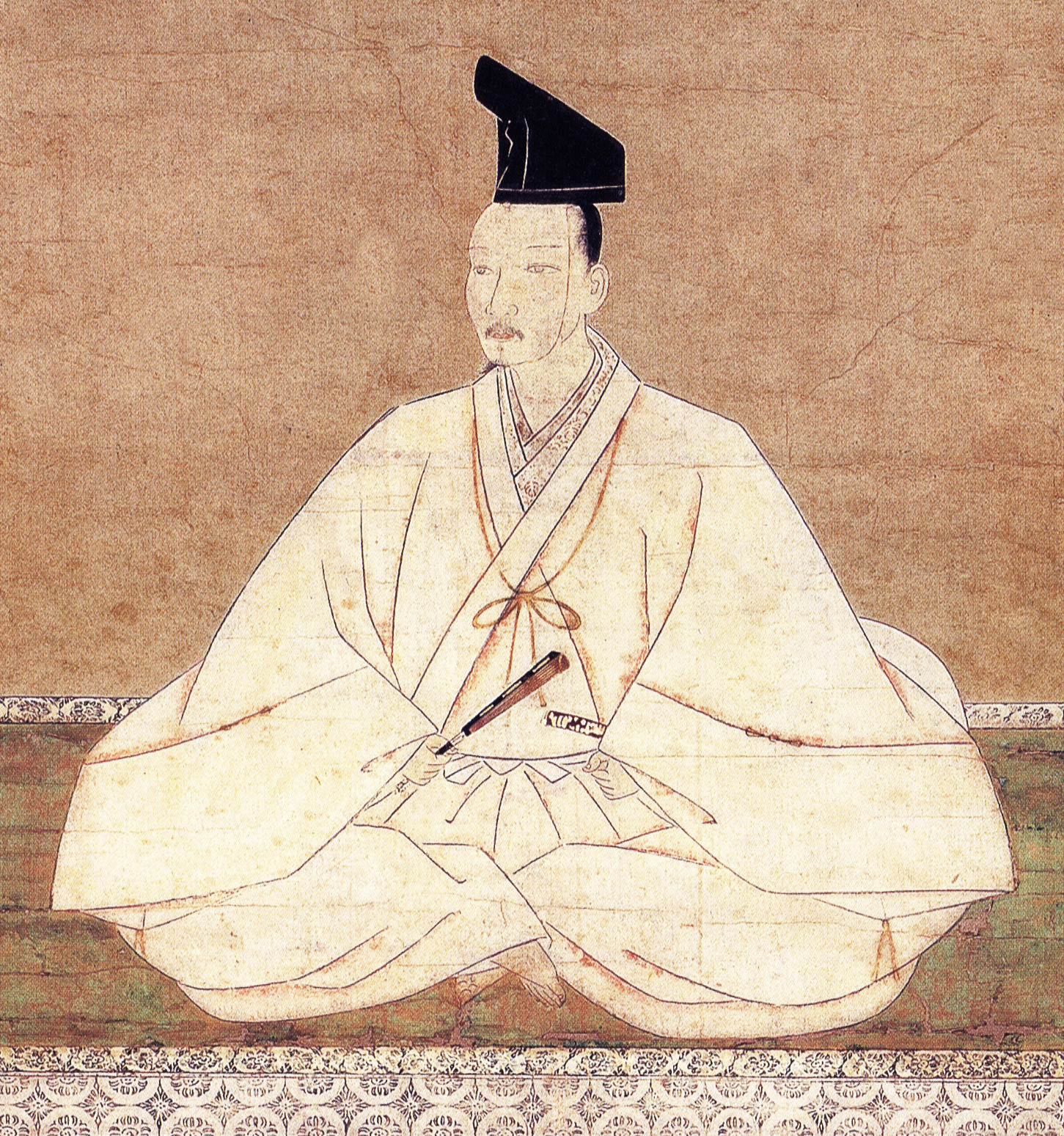
A militant imperial prince who led loyalist resistance, then fell victim to shifting alliances in Japan’s turbulent Nanboku-cho era.
Conversation Starters
Life Journey
Born into Japan’s imperial family as a son of Emperor Go-Daigo during the late Kamakura period. His childhood unfolded amid growing resentment toward the Kamakura shogunate and the Hojo regents’ dominance over court politics.
When Go-Daigo ascended the throne, the court in Kyoto began pressing to restore direct imperial rule. Moriyoshi grew up close to these ambitions, absorbing the language of loyalism and the practical realities of power under the shogunate.
He entered the Buddhist clergy, a common path for imperial sons that provided education and networks beyond the palace. Temples linked Kyoto, Nara, and the provinces, giving him contacts later useful for mobilizing supporters against the shogunate.
As Go-Daigo launched the Genko War against the Kamakura shogunate, Moriyoshi aligned openly with the imperial cause. He helped coordinate resistance and recruitment, drawing on warrior bands and religious connections during the escalating confrontation.
After loyalist forces suffered reversals, he worked to keep the movement alive from defensible terrain and sympathetic local bases. The struggle revealed how fragile imperial power was without sustained military backing from provincial warriors and estates.
He cultivated ties with fighting men and influential temples, transforming court loyalism into organized armed resistance. These alliances mattered because communications and logistics in medieval Japan depended on local strongmen and religious institutions.
In 1333, coordinated uprisings and defections undermined the Kamakura shogunate as anti-Hojo momentum spread. Moriyoshi’s loyalist activity complemented campaigns by figures like Nitta Yoshisada and shifting elites who broke with Hojo rule.
With the shogunate toppled, Go-Daigo’s Kenmu Restoration reorganized government around the court in Kyoto. Moriyoshi received high command responsibilities, reflecting trust in his loyalty and his reputation as a hardline champion of imperial rule.
The restoration’s policies disappointed many warriors who expected land rewards and influence after years of fighting. Moriyoshi’s uncompromising stance on imperial primacy deepened friction with powerful samurai leaders and made him a political target.
Ashikaga Takauji emerged as the most formidable military figure in the new order, commanding broad samurai loyalty. Moriyoshi’s position at court placed him in direct competition with Takauji’s influence, as both shaped post-shogunate governance.
Amid mounting instability, Moriyoshi was accused of conspiracy against rival power centers and removed from command. The arrest reflected how rapidly allies turned into enemies as the restoration faltered and military leaders challenged Kyoto’s authority.
He was placed under Ashikaga control and transported away from the political heart of Kyoto. The move isolated him from court supporters and signaled that the balance of power had shifted toward the eastern warrior establishment.
Held in Kamakura, he endured confinement during a period of unrest and realignment among samurai houses. His captivity became a symbol of the restoration’s unraveling, as imperial loyalists lost leverage against armed provincial coalitions.
He was executed in Kamakura during the violent breakdown that preceded the Nanboku-cho conflicts. The killing removed a prominent loyalist prince and cleared a path for Ashikaga Takauji’s final break with Go-Daigo’s court.
Later narratives cast Moriyoshi as an emblem of unwavering devotion to the emperor during an age of fractured sovereignty. His life and death were cited in discussions of legitimacy as Northern and Southern courts competed for authority.