Quick Facts
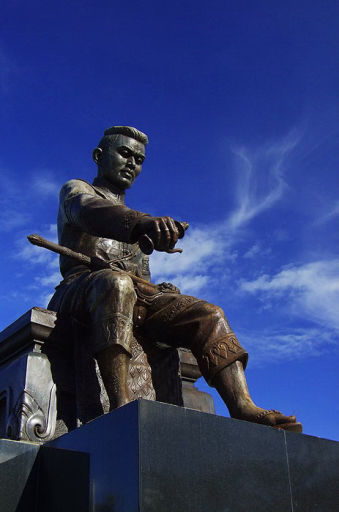
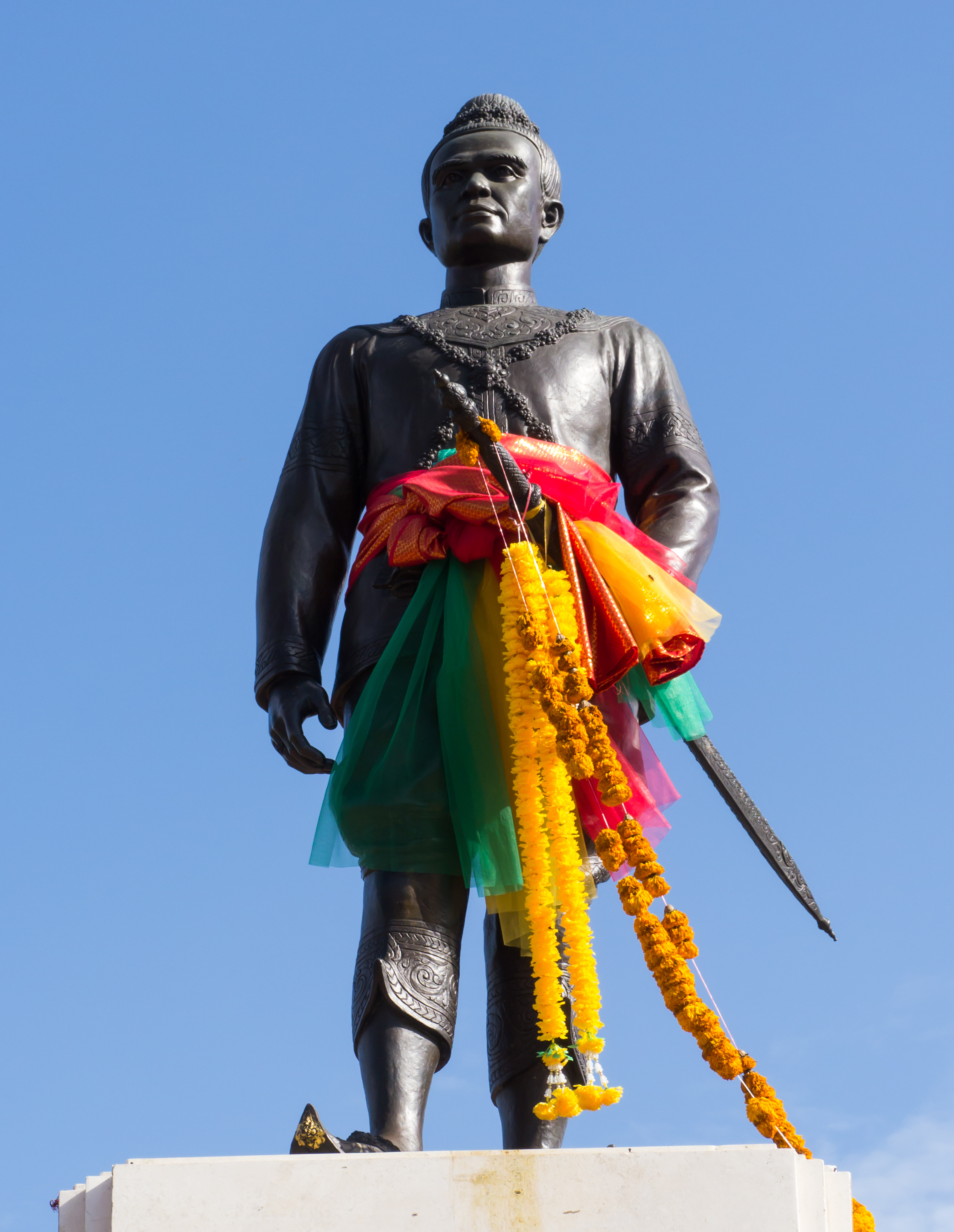
Founder of Ayutthaya who unified Thai polities, blended diplomacy with conquest, and shaped enduring legal and religious institutions.
Conversation Starters
Life Journey
Born in a period when Sukhothai, Lopburi, and emerging Tai rulers competed for influence. His early world was shaped by riverine trade routes, Khmer cultural prestige, and growing Theravada Buddhist networks across mainland Southeast Asia.
As a young noble, he learned how rice surpluses, river transport, and taxation sustained power in the Chao Phraya basin. Contacts with Chinese merchants and Mon-Khmer communities taught him diplomacy across languages, customs, and religious traditions.
He strengthened ties with local rulers through marriages, patronage, and negotiated tribute arrangements. These alliances connected inland rice granaries to port settlements, creating a political base able to mobilize labor, boats, and troops quickly.
He took a name invoking Rama and righteous rule to signal legitimacy in a region influenced by Indian and Khmer court ideals. By sponsoring temples and ceremonies, he presented himself as a protector of Buddhism and the social order.
Chroniclers describe epidemic waves that strained labor supplies and disrupted markets across the floodplains. He responded by tightening control of manpower and provisioning, reinforcing the need for a strong capital able to coordinate relief and defense.
He established Ayutthaya on an island bounded by rivers, creating natural defenses and easy access to trade routes. Court rituals proclaimed him king in 1350, marking the start of a new dynasty meant to outlast rival centers.
He appointed trusted nobles to oversee manpower, taxation, and provincial governance, linking outlying towns to the capital. By defining ranks and obligations, the court could mobilize corvée labor for walls, canals, temples, and military campaigns.
He supported monasteries and invited learned monks to anchor Ayutthaya’s moral authority. Temple endowments and ordination patronage tied the dynasty to religious merit, while also educating scribes and officials who served the expanding state.
Envoys and merchants linked Ayutthaya to maritime networks reaching the Gulf of Siam and beyond. Control over customs and river traffic provided revenue, and foreign contacts brought luxury goods that reinforced the court’s prestige and gift diplomacy.
He moved to stabilize the western frontier, where towns supplied elephants, forest products, and recruits. By installing loyal governors and managing tribute, Ayutthaya reduced the risk of raids and ensured steady resources for future campaigns.
Ayutthaya’s armies pushed east into Khmer-held territory, testing the strength of Angkor’s provinces and tributaries. The campaign signaled that the new kingdom sought regional primacy, not mere survival among older courts.
Long supply lines through wetlands and forests forced changes in command, provisioning, and the use of river transport. He relied on experienced commanders and local guides, refining Ayutthaya’s ability to project power beyond the central plain.
He promoted lawmaking grounded in Buddhist ethics and royal authority to regulate disputes, hierarchy, and public order. These rules helped integrate diverse communities—Tai, Mon, Khmer, and Chinese—under a shared framework of obligations and penalties.
To prevent factional conflict, he assigned key cities and commands to royal relatives while keeping ultimate authority at Ayutthaya. This practice created a workable balance between central control and provincial autonomy in the early dynasty.
Captured specialists and voluntary migrants brought Khmer administrative practices, artistic motifs, and temple craftsmanship into Ayutthaya. The court selectively adopted these forms to elevate royal ceremony while still emphasizing Theravada Buddhist legitimacy.
Canals, embankments, and defensive works improved flood management and facilitated transport of rice and timber. These projects relied on corvée labor and provincial coordination, binding communities to the state through shared infrastructure and obligation.
He renewed loyalty from surrounding towns by confirming titles, adjusting levies, and rewarding service. Keeping caravan routes and river checkpoints secure protected state revenue and ensured the court could maintain armies and ceremonial generosity.
His death ended the reign of Ayutthaya’s founder, whose policies blended warfare, diplomacy, and religious patronage. The institutions he built—capital defenses, court hierarchy, and legal ideals—gave successors a durable platform for expansion.