Quick Facts
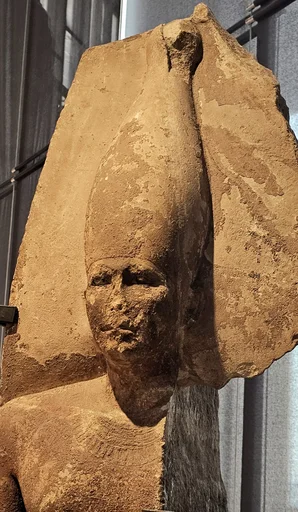
Ozymandias. Built Abu Simbel. Egypt's greatest pharaoh who reigned 66 years.
Conversation Starters
Life Journey
Ramesses II was born to Pharaoh Seti I and Queen Tuya during Egypt's 19th Dynasty. As a prince, he would be groomed from early childhood for the throne, destined to become one of history's most powerful rulers.
The young Ramesses was officially designated as crown prince and heir to the throne. He began intensive training in military tactics, diplomacy, and the religious duties expected of a pharaoh.
Seti I appointed his son as prince regent, giving Ramesses real governing experience. The teenager began participating in military campaigns and administrative decisions alongside his father.
Ramesses led his first independent military campaign against Libyan raiders threatening Egypt's western border. This early experience shaped his lifelong military prowess and strategic thinking.
Ramesses married Nefertari, who would become his most beloved queen. Their legendary love story would be commemorated in numerous monuments, including the smaller temple at Abu Simbel dedicated entirely to her.
Upon Seti I's death, Ramesses II became pharaoh of Egypt at approximately age 25. He immediately began an ambitious building program that would reshape Egypt's landscape for millennia to come.
Ramesses commissioned the construction of the magnificent Abu Simbel temples, carved directly into a mountainside. These colossal monuments would become enduring symbols of his power and legacy.
Ramesses led the Egyptian army against the Hittite Empire at Kadesh in history's first documented major battle. Though nearly defeated by ambush, his personal courage rallied Egyptian forces to a draw.
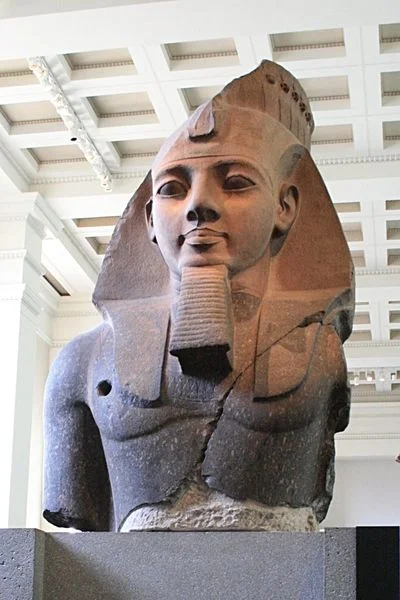
Ramesses completed his massive mortuary temple on the west bank of the Nile at Thebes. This temple complex included a colossal seated statue of himself weighing over 1,000 tons.
Ramesses conducted extensive military campaigns throughout the Levant, securing Egypt's northeastern frontier. These campaigns established Egyptian dominance in the region for decades.
Ramesses's beloved Queen Nefertari died after years of marriage. The pharaoh was deeply affected by her death and had her buried in the most beautiful tomb in the Valley of the Queens.
Ramesses concluded history's first known peace treaty with Hittite King Hattusili III. This Egyptian-Hittite treaty established lasting peace and mutual defense, ending decades of conflict.
To cement the peace treaty, Ramesses married a Hittite princess, whom he renamed Maathorneferure. This diplomatic marriage strengthened the alliance between the two great powers of the ancient Near East.
Ramesses completed major additions to the Luxor Temple, including a massive pylon, colossal statues, and an obelisk. His building projects transformed Thebes into a showcase of Egyptian power.
Ramesses celebrated his first Sed festival, a jubilee marking 30 years on the throne. He would celebrate an unprecedented 14 more such festivals, each reinforcing his divine status.
Having fathered over 100 children by his many wives, Ramesses outlived many of them. Twelve crown princes died before him, and succession eventually passed to his thirteenth son, Merneptah.
At an age extraordinarily advanced for ancient times, Ramesses continued to rule Egypt. His longevity was seen as divine favor, and he was worshipped as a living god throughout the kingdom.
Ramesses II died at approximately age 90 after ruling Egypt for 66 years, the second-longest reign in Egyptian history. His mummy reveals he suffered from arthritis and dental problems in his final years. He was buried in the Valley of the Kings.