Chumi
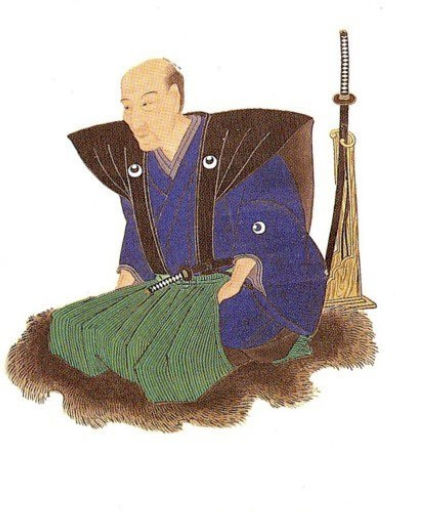
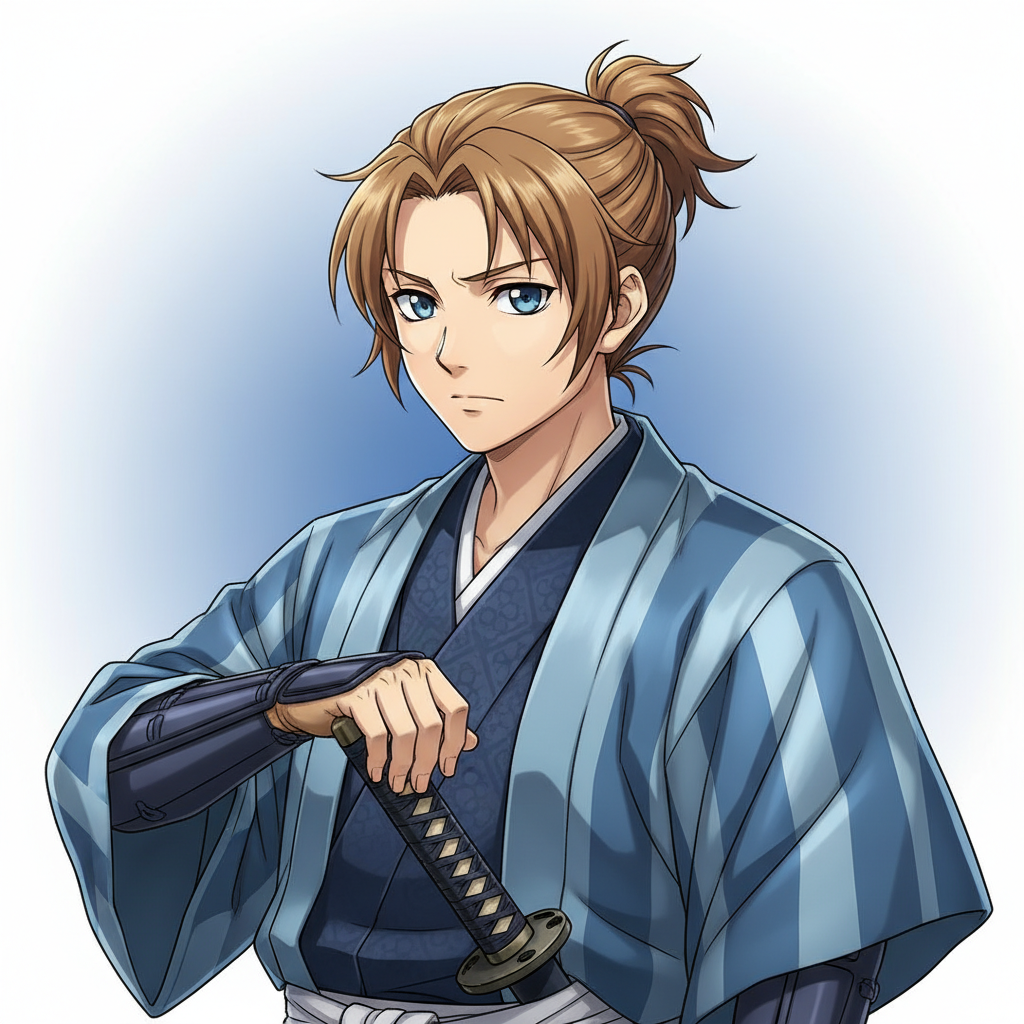
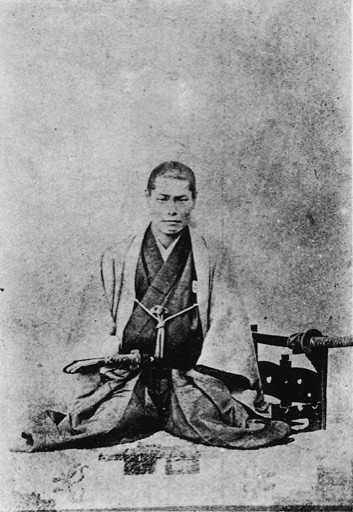
Shimada Toranosuke

Shimada Toranosuke

Swordsman

Start Chat

AI Personality

Quick Facts

Bakumatsu-era swordsmanship and dojo culture
Association with late-Edo martial circles and political unrest
Reputation as a formidable practitioner of kenjutsu

Life Journey

1830Born into late Edo-period Japan

Born as Shimada Toranosuke during the late Edo period, when the Tokugawa shogunate still controlled national politics. He entered a world where samurai status, domain loyalty, and sword training shaped a boy’s prospects from childhood.

1840Began formal sword training in a dojo setting

As a child he began structured kenjutsu practice, learning etiquette, footwork, and repetitive kata under senior instructors. Dojo life emphasized hierarchy and endurance, preparing students for both duels and domain service in a rigid society.

1846Entered competitive training and sparring culture

In his teens he moved from basic kata to frequent sparring, testing timing and nerve against older students. Such matches built reputation in Edo’s martial networks, where a swordsman’s standing depended on witnessed performance and self-control.

1851Built a name among Edo martial circles

By early adulthood he was regarded as a serious practitioner whose intensity made an impression on peers and rivals. Edo’s many dojos served as social hubs for samurai, where connections could lead to patronage, teaching work, or retainer posts.

1853Confronted the crisis sparked by Perry’s arrival

Commodore Matthew Perry’s Black Ships appeared near Edo Bay, shocking the shogunate and energizing militarist debate. The atmosphere pushed swordsmen to think beyond sport and toward national defense, sharpening training with an urgent, political edge.

1855Deepened study of practical combat methods

He pursued more pragmatic techniques suited to real encounters, including distance control and decisive finishing cuts. Instructors increasingly framed kenjutsu as a tool for security amid rising street violence and ideological clashes in shogunal cities.

1858Witnessed the political hardening after the Ansei Treaties

After the Ansei Treaties opened ports under foreign pressure, the shogunate tightened control and factions grew more dangerous. For martial men, loyalty and affiliation carried higher stakes, as dojo connections could be read as political signals.

1860Era of assassinations reshaped samurai conduct

The assassination of Ii Naosuke at the Sakuradamon Gate demonstrated how quickly politics turned lethal in the capital. Swordsmen trained with heightened vigilance, knowing that ideology and steel could collide on ordinary streets and bridges.

1862Took on teaching responsibilities for junior students

He began guiding younger trainees through demanding drills, emphasizing composure under pressure and respect for dojo order. Teaching elevated a swordsman’s social role, turning personal skill into a disciplined lineage transmitted through daily practice.

1864Responded to nationwide unrest and domain mobilization

Conflicts such as the Kinmon Incident in Kyoto showed that armed confrontation between factions was no longer hypothetical. News traveled fast along official and informal routes, and fighters in Edo adjusted training for rapid deployment and street fighting.

1866Operated within a fragmented, factional samurai world

As Satsuma and Choshu aligned against the shogunate, allegiances in the martial community became fraught and deeply consequential. Dojo ties, retainer obligations, and personal honor pulled men in competing directions during the Bakumatsu climax.

1867Faced the collapse of Tokugawa authority

Tokugawa Yoshinobu’s resignation and the rapid shift toward imperial restoration unsettled every samurai household. For traditional swordsmen, questions of service, legitimacy, and survival emerged as the old order visibly cracked in the capital.

1868Navigated the violence and uncertainty of the Boshin War

The Boshin War brought open civil conflict as forces loyal to the new government fought shogunal allies across Japan. Even those not on major battlefields felt its impact through policing, recruitment, and the sudden dangers of public life.

1871Adapted to the Meiji state’s dismantling of the domains

When the Meiji government abolished the han system, the social foundation of many retainers vanished almost overnight. Martial instructors had to reframe their art for civilians, police, or modern schools as stipends and titles disappeared.

1876Confronted the Haitorei and the end of public sword-wearing

The Haitorei Edict restricted the wearing of swords, symbolically ending the everyday visibility of samurai identity. For a career swordsman, this forced a choice between preserving tradition in private and finding a place within modern institutions.

1880Preserved kenjutsu through instruction and example

In later years he focused on transmitting discipline, posture, and fighting spirit rather than chasing public prestige. As Japan modernized, such instruction helped keep older martial values alive inside new frameworks of education and public order.

1890Remembered as a product of Bakumatsu intensity

By the time constitutional politics and modern policing had taken root, his generation’s world of duels and retainers felt distant. He was recalled as a stern representative of late-Edo sword culture, shaped by crisis and relentless training.

Chat