Quick Facts
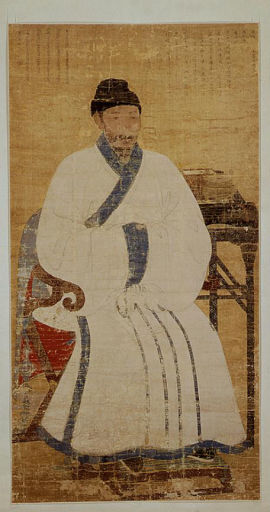
A meticulous Song dynasty statesman-historian who crafted a monumental chronicle and championed conservative reforms through principled service.
Conversation Starters
Life Journey
Sima Guang was born into the Northern Song’s elite literati world, where classical learning and public service were expected. Growing up in Shanxi, he absorbed Confucian ethics and an early fascination with historical precedent.
Later tradition remembers him as a boy who broke a large water jar to save a child who had fallen in. The anecdote, widely retold in Chinese primers, symbolized quick judgment and moral courage in everyday life.
He passed the prestigious jinshi examination, opening the path to high office in the Song bureaucracy. The achievement marked his entry into a competitive world of policy debate centered on Kaifeng’s imperial court.
Sima Guang took up early administrative assignments, learning fiscal reporting, local judicial routines, and the realities of provincial governance. These experiences shaped his later skepticism toward ambitious state interventions that ignored local constraints.
He became known for carefully argued memorials that grounded policy in classical ideals and historical examples. In Kaifeng, he built a reputation as a candid adviser willing to risk displeasure to preserve institutional integrity.
Sima Guang submitted a plan to compile a comprehensive history that rulers could use as a “mirror” for governance. He argued that clear narratives of past successes and failures offered more practical guidance than abstract theorizing.
With support from Emperor Yingzong and court patrons, he launched the massive editorial project that would become the Zizhi Tongjian. He assembled a team of scholars, organized source excerpts, and set strict standards for verification.
The accession of Emperor Shenzong intensified debates about revenue, defense, and social order in the Northern Song. Sima Guang’s court position placed him near the center of arguments that soon pitted conservatives against reformers.
As Wang Anshi advanced the New Policies, Sima Guang criticized them as coercive and destabilizing, especially measures like state loans and expanded bureaucratic control. Their clash became emblematic of Song political factionalism and moral disagreement.
Facing a reform-dominated court, he stepped back from central politics rather than lend legitimacy to programs he opposed. The withdrawal allowed him to focus on scholarship while maintaining a principled stance against policy experimentation.
In Luoyang, he organized assistants to collate chronicles, compare variant texts, and draft annalistic entries with consistent wording. The project relied on careful cross-checking, reflecting his belief that moral judgment required factual precision.
He collaborated with learned colleagues and younger scholars who helped excerpt sources and resolve chronological disputes. By standardizing citations and narrative structure, he made the work readable for rulers while preserving documentary rigor.
After years of compilation, Sima Guang delivered the 294-volume Zizhi Tongjian, covering 403 BC to 959 AD in a ruler-focused chronological format. The court recognized it as a major state-sponsored achievement for political instruction.
When Emperor Shenzong died, the regency around Empress Dowager Gao shifted policy direction and summoned Sima Guang back. He quickly became a leading voice for reversing reforms, emphasizing stability, frugality, and orthodox governance.
As a senior minister, he moved to dismantle parts of the New Policies, arguing they burdened commoners and distorted administrative incentives. His brief tenure showed how historical interpretation could directly shape fiscal and legal priorities.
Sima Guang died after a short period back in high government, leaving an enduring model of scholar-official seriousness. The Zizhi Tongjian continued to influence historians and rulers, framing politics as a moral lesson drawn from evidence.