Quick Facts
A cautious Safavid shah who stabilized Iran, defended Shiism, and balanced Ottoman power with diplomacy and warfare.
Conversation Starters
Life Journey
Born in the Safavid realm during his father Ismail I's rise, he entered a court defined by Qizilbash military elites. His early childhood unfolded as Iran confronted Ottoman pressure and internal factionalism.
After Shah Ismail I died, the young Tahmasp inherited a fragile empire dominated by competing Qizilbash tribal chiefs. Regents and commanders jockeyed for influence, making the throne dependent on court alliances.
Power struggles among Qizilbash leaders constrained royal authority and provoked violent purges and shifting appointments. Tahmasp learned to rule by balancing tribes while slowly building a more centralized court household.
Uzbek forces threatened Khorasan and the shrine cities that anchored Safavid legitimacy in the east. Tahmasp supported campaigns that checked the raids and signaled the shah's growing personal command over the army.
Suleiman the Magnificent invaded, occupying Tabriz and then taking Baghdad, challenging Safavid claims in Iraq. Tahmasp avoided a decisive battle, using scorched-earth tactics and mobility to exhaust Ottoman supply lines.
Rather than risk annihilation, Tahmasp emphasized strategic withdrawal and denial of resources in Azerbaijan. This approach frustrated Ottoman commanders and preserved Safavid forces for counter-raids and long-term survival.
Tahmasp promoted Twelver Shiite institutions, inviting scholars and endowing religious foundations to deepen Safavid legitimacy. Court ritual and law increasingly reflected Shiite norms, distinguishing Iran from Sunni neighbors.
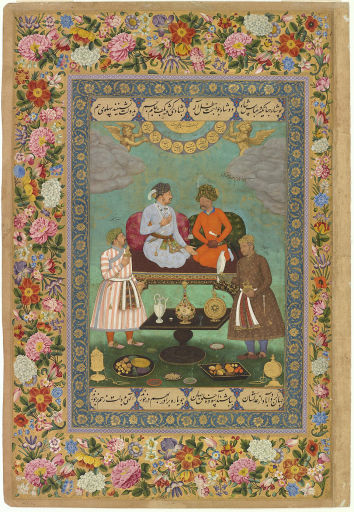
The deposed Mughal emperor Humayun arrived seeking refuge and support after setbacks in India. Tahmasp received him with ceremony and negotiated assistance, tying aid to political cooperation and regional advantage.
Safavid troops aided Humayun, helping him regain key positions and rebuild momentum toward the Mughal restoration. The alliance strengthened Safavid influence around Kandahar and showcased Tahmasp's leverage in eastern politics.
Repeated Ottoman threats made frontier Tabriz unsafe as a seat of government. Tahmasp moved the capital to Qazvin, improving strategic depth and enabling tighter control over bureaucracy and court factions.
Suleiman again advanced into Azerbaijan, seeking a decisive victory and permanent occupation. Tahmasp refused pitched battle, harassing columns and emptying districts, turning the campaign into an expensive stalemate.
Fighting extended into the Caucasus, where fortresses and local rulers shaped control of trade routes and mountain passes. Tahmasp's commanders contested Ottoman advances, protecting Safavid interests in Georgia and Armenia.
Tahmasp and the Ottoman court agreed to the Peace of Amasya, creating a durable frontier after decades of war. It confirmed Ottoman control in Iraq while securing Safavid Azerbaijan and parts of the Caucasus.
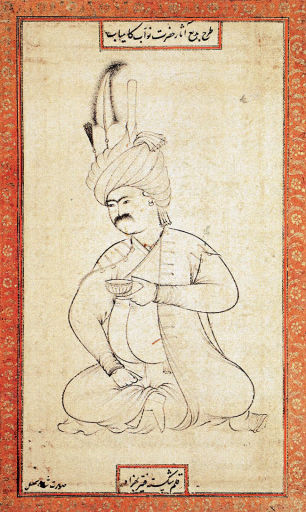
Under Tahmasp, royal workshops produced influential illustrated manuscripts and refined calligraphy styles prized across the Islamic world. His court culture helped define the Safavid aesthetic and elevated artists through elite commissions.
As Tahmasp aged, factions aligned behind different heirs, sharpening intrigue within the harem and Qizilbash leadership. He tried to contain instability through appointments and constraints, yet the court remained tense.
Tahmasp died after ruling more than five decades, leaving a stronger but faction-ridden Safavid state. His death triggered rapid succession struggles, revealing how tribal military power still shaped imperial politics.