Quick Facts
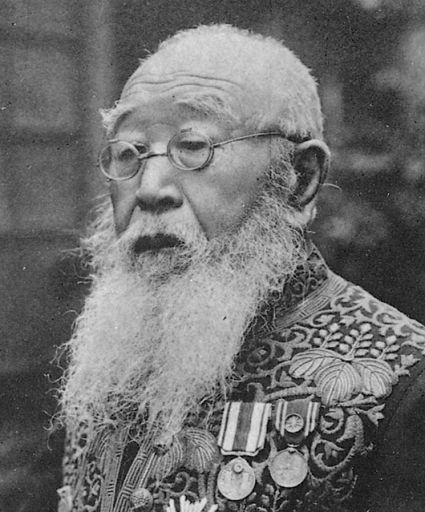
Master sculptor who revived Japanese wood carving, blending Buddhist tradition with modern realism in the Meiji era.
Conversation Starters
Life Journey
He was born in Edo (later Tokyo) as Japan still lived under Tokugawa rule. Growing up amid temple workshops and artisan neighborhoods, he absorbed the rhythms of traditional carving before the Meiji Restoration transformed society.
As a teenager he entered rigorous studio training, learning tool handling, joinery, and finishing methods used in Buddhist statuary. The discipline of copying masters taught him anatomy, drapery folds, and the patience required for large-scale commissions.
The fall of the shogunate and rapid Westernization altered the market for religious and feudal art. As temples lost income and new institutions emerged, he adapted by seeking commissions that matched modern tastes while protecting classical techniques.
He began working under the name Takamura Koun, signaling professional independence in a competitive Tokyo art world. By combining orthodox Buddhist carving methods with closer observation of living models, he attracted attention for fresh realism.
Government-backed exhibitions promoted industry and arts, creating new venues beyond temple orders. He participated in this shifting system, learning how public display and criticism could shape a sculptor’s reputation in modernizing Japan.
Photography and Western-style drawing circulated widely in Tokyo, encouraging more exact likeness and anatomy. He studied faces and bodies with unusual intensity for a traditional carver, aiming for portraits that still felt spiritually grounded.
He came into contact with the circle around Okakura Kakuzo and the American scholar Ernest Fenollosa, who argued for saving Japan’s classical arts. Their support helped position sculpture as a national cultural asset, not an obsolete craft.
As Fenollosa and Okakura’s efforts influenced policy and collecting, demand grew for high-quality carving. He secured major commissions that required mastery of polychrome finishing and expressive carving, proving tradition could thrive in Meiji society.
He developed a signature approach to portraiture, carving subtle musculature, skin tension, and individualized expression. These works showed how Japanese wood technique could achieve modern realism without abandoning the restrained elegance of classical form.
With Tokyo becoming Japan’s artistic center, he trained apprentices in workshop discipline and careful observation from life. His studio transmitted Edo-era craftsmanship while preparing students for exhibitions and institutional art education.
Large juried shows encouraged standardized categories and public comparison of artworks across Japan. He exhibited and influenced judging tastes, demonstrating that carved wood could compete with bronze and Western-style sculpture on equal footing.
His son Takamura Kotaro matured into a major poet and sculptor, bridging literature and modern art theory. Their shared household reflected Meiji and Taisho cultural shifts, where inherited craft met avant-garde debate and new materials.
The Ministry of Education’s Bunten exhibitions reshaped standards for professional artists. He navigated these institutions to protect traditional carving’s legitimacy, while encouraging a more realistic, individualized sculptural language.
With the Taisho period’s urban culture and new patrons, he refined portrait heads and expressive figures. He kept Buddhist carving discipline while allowing more personal psychology in faces, aligning with modern tastes for character studies.
The Great Kanto Earthquake devastated Tokyo and damaged museums, temples, and private collections. In the rebuilding atmosphere, his commitment to preservation and careful craft carried added urgency as cultural memory was rebuilt alongside the city.
By late life he was widely regarded as a bridge between Edo workshop traditions and modern sculpture education. Collectors and institutions sought his works as exemplars of technical rigor, realism, and continuity with Japan’s classical heritage.
He died in Tokyo after a career spanning the upheavals from late Edo through early Showa. His portraits and teaching helped secure wood sculpture’s place in modern Japanese art history, influencing artists well beyond his own workshop.