Informações rápidas
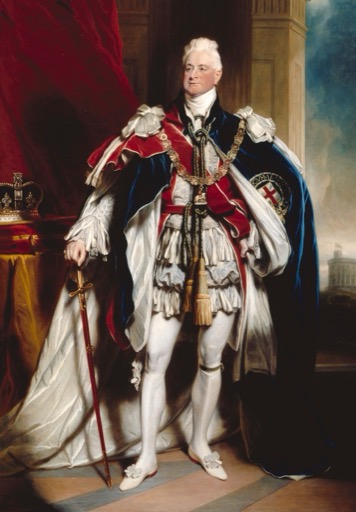
Monarca da Casa de Hanover conhecido como o Rei Marinheiro por sua carreira naval, cuja maneira acessivel e disposicao reformista modernizaram a coroa durante um periodo de mudanca.
Iniciadores de conversa
Jornada de vida
William Henry nasceu como terceiro filho do rei Jorge III e da rainha Carlota. Como terceiro filho, parecia longe da sucessao ao trono, o que influenciou sua vida inicial e escolhas de carreira.
Guilherme entrou para a Royal Navy como aspirante aos 13 anos. Esta decisao marcou o inicio de sua carreira naval de trinta anos e moldou seu carater e estilo de governo posterior.
Guilherme serviu a bordo do HMS Prince George durante a Guerra de Independencia Americana. Ele viu combate real e ganhou o respeito de seus companheiros por sua disposicao de compartilhar todas as dificuldades da vida no mar.
Guilherme recebeu seu primeiro comando da fragata HMS Pegasus no Caribe. Aqui ele conheceu o capitao Horatio Nelson, e eles formaram uma amizade que duraria toda a vida.
Guilherme iniciou um relacionamento de vinte anos com a atriz Dorothy Jordan. Eles tiveram dez filhos juntos, os FitzClarence, embora nunca tenham se casado.
O rei Jorge III conferiu a Guilherme os titulos de Duque de Clarence e St Andrews e Conde de Munster. Estes titulos trouxeram uma renda parlamentar e estabeleceram sua posicao real.
Guilherme foi promovido a almirante embora nao servisse mais ativamente no mar nessa epoca. Ele havia servido a nacao como oficial naval competente e respeitava profundamente o servico.
Apos vinte anos e dez filhos juntos, Guilherme se separou de Dorothy Jordan. A ruptura foi dificil, pois ela morreria empobrecida e sozinha.
Guilherme casou-se com a princesa Adelaide de Saxe-Meiningen apos a morte da princesa Charlotte que causara uma crise de sucessao. O casamento deles provou ser surpreendentemente feliz apesar da diferenca de idade.
O quarto filho de Adelaide, a princesa Elizabeth, morreu na infancia. Todos os quatro filhos do casal morreram na infancia ou no nascimento, deixando Guilherme sem herdeiro legitimo.
Guilherme foi nomeado Lord Alto Almirante, o primeiro a ocupar o cargo desde 1709. Ele levou o papel a serio, talvez demais, entrando em conflito com a junta do Almirantado.
Apos repetidos conflitos com o gabinete sobre politica naval, Guilherme foi forcado a renunciar. Ele havia tentado alcancar reformas navais reais mas foi bloqueado por forcas politicas.
Com a morte de Jorge IV, Guilherme subiu ao trono aos 64 anos. Ele era o herdeiro mais velho da historia britanica e trouxe seu estilo naval acessivel a monarquia.
Guilherme dissolveu o Parlamento, permitindo eleicoes que levaram os Whigs reformistas sob Lord Grey ao poder. Isso preparou o terreno para mudancas constitucionais importantes.
Guilherme deu a sancao real ao Reform Act de 1832 apos dramaticas lutas politicas. Ele ameacou criar novos pares para superar a oposicao da Camara dos Lordes, o que provou ser decisivo.
Guilherme aprovou a abolicao da escravidao em todo o Imperio Britanico. Este foi um dos atos humanitarios mais significativos de seu reinado.
Apos o fracasso do governo Peel, Guilherme chamou de volta Lord Melbourne. Isso consolidou a convencao de que o monarca deve aceitar o lider parlamentar como Primeiro Ministro.
Guilherme morreu de insuficiencia cardiaca no Castelo de Windsor. Ele havia vivido tempo suficiente para garantir que sua sobrinha Victoria pudesse subir ao trono como adulta, evitando uma regencia.