En bref
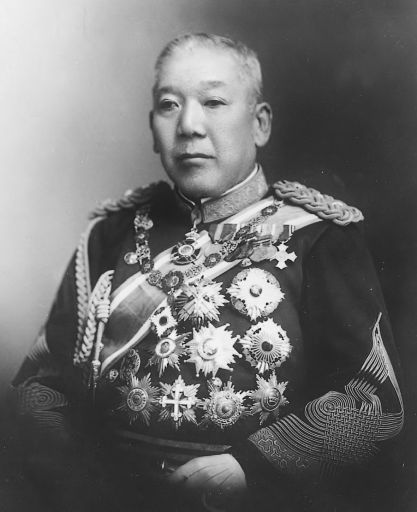
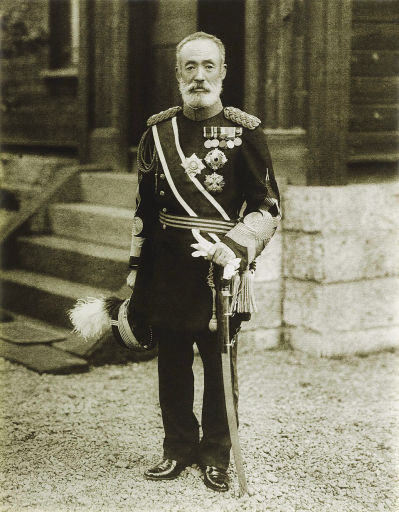
A disciplined Meiji-era general, he became famed for battlefield sacrifice, public duty, and controversial ritual suicide.
Sujets de conversation
Parcours de vie
Born to a samurai household during the late Tokugawa period, he grew up as Japan faced foreign pressure and internal unrest. Early training emphasized Confucian ethics, swordsmanship, and loyalty to domain authority.
As the Boshin War reshaped the country, he entered adulthood amid the collapse of shogunal rule and the rise of imperial government. The era’s turbulence pushed many young samurai toward the new national army.
He moved from samurai status into the modern conscript-based army as the Meiji state centralized power. Service in the early army exposed him to Western drill, artillery, and the new ethos of national mobilization.
He participated in Japan’s Taiwan Expedition, one of the first overseas operations of the modern army. The campaign tested logistics and command in unfamiliar terrain and signaled Japan’s growing regional ambitions.
During Saigo Takamori’s Satsuma Rebellion, he fought fellow former samurai in a brutal internal conflict. The war cemented the conscript army’s dominance and deepened his belief in obedience to imperial authority.
Sent abroad as Japan sought Western models, he studied modern tactics and staff systems in Germany and neighboring states. Exposure to Prussian-style discipline influenced his later emphasis on training, morality, and order.
Back in Japan, he applied European lessons to drill and administration while the army professionalized rapidly. His reputation for strict conduct and personal austerity helped him rise within the officer corps.
He served in the conflict against Qing China, which showcased Japan’s modernized forces and naval power. The war expanded Japanese influence in Korea and Manchuria and strengthened his standing as a capable commander.
As war broke out with Imperial Russia, he was assigned senior responsibilities in the campaign for control of Liaodong. The conflict was watched worldwide as a test of a modern Asian power against a European empire.
He led forces besieging Russia’s fortified base at Port Arthur, confronting entrenched positions and heavy artillery. Repeated assaults produced enormous casualties, making the operation both strategically crucial and morally fraught.
Fighting focused on 203 Meter Hill, whose capture enabled observation of Russian ships and artillery fire control. The attacks became emblematic of sacrifice, and his leadership was scrutinized for the human cost of victory.
After months of siege and attrition, the Russian garrison capitulated, a turning point in Japan’s ground campaign. The victory elevated him as a national symbol even as debate continued over tactics and losses.
In the aftermath, he expressed deep remorse for casualties under his command, framing them as personal moral debt. His posture resonated with Meiji ideals of accountability, reinforcing a public image of austere sincerity.
He was selected to guide the education of Crown Prince Hirohito, emphasizing ethics, self-restraint, and service. The appointment reflected the state’s desire to link imperial education with military virtue and moral example.
He served as head of Gakushuin, the elite school for nobles, promoting discipline and civic responsibility among future leaders. His spartan lifestyle and solemn demeanor made him a living icon of Meiji-era public duty.
After Emperor Meiji died, he and his wife Shizuko performed ritual suicide (junshi), citing loyalty and atonement in a changing age. The act shocked modernizing Japan and intensified debates over tradition, militarism, and morality.