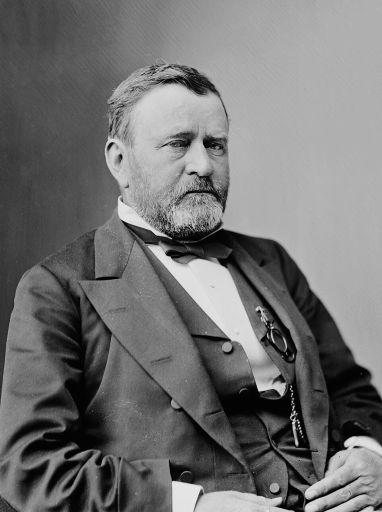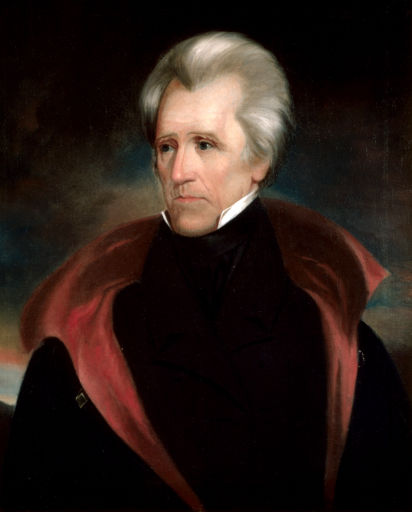
A fierce frontier lawyer and soldier who reshaped American democracy while waging bitter battles over banking and power.
会話のきっかけ
人生の歩み
Born to Irish immigrant parents, Andrew Jackson arrived in the Waxhaws region along the North Carolina–South Carolina border. His father died before his birth, leaving the family in precarious frontier conditions.
As a teenage courier for Patriot forces, Jackson was captured by British troops during fighting in the Carolinas. After refusing an officer’s order to polish boots, he was slashed with a sword, leaving lasting scars and hatred of British rule.
Jackson’s brothers died from war and disease, and his mother Elizabeth Jackson died after nursing prisoners of war. The losses left him effectively orphaned, shaping his fierce independence and suspicion of elites and foreign powers.
After reading law, Jackson gained admission to the North Carolina bar and sought opportunity beyond the Appalachian frontier. He moved toward the Southwest Territory, where land speculation, litigation, and politics offered rapid advancement.
Jackson became prosecuting attorney for the western district, riding circuit through rough settlements and building a reputation for toughness. In the volatile frontier legal culture, he forged connections with merchants, planters, and militia leaders.
Jackson married Rachel Donelson, whose prior marriage was not fully dissolved when they first wed, creating a lingering scandal. Political enemies later weaponized the episode, making Rachel’s honor a lifelong point of fury for Jackson.
With Tennessee’s statehood, Jackson participated in the constitutional convention and won election as the state’s first U.S. representative. His rise reflected frontier voters’ preference for forceful advocates who challenged older coastal power centers.
Jackson moved to the U.S. Senate but found the pace and etiquette of national politics frustrating. Disliking the legislative routine, he resigned within a year and returned to Tennessee with ambitions better suited to command than compromise.
Appointed to Tennessee’s superior court, Jackson gained authority and prestige while navigating disputes over debt, land titles, and frontier violence. The post helped consolidate his standing among leading families and emerging political factions in the state.
Jackson invested in cotton production at the Hermitage, accumulating land and enslaved workers as Middle Tennessee’s plantation economy grew. The wealth strengthened his political base, even as it tied his legacy to slavery’s expansion in the South.
After a heated dispute over a horse race and an insult to Rachel Jackson, he dueled Charles Dickinson near the Kentucky border. Jackson allowed Dickinson to fire first and was badly wounded, then shot Dickinson dead, cementing his feared reputation.
Commissioned as major general, Jackson marched against the Red Stick faction of the Creek Nation after frontier massacres intensified. Despite supply crises and mutinies, he held his force together and pursued a decisive campaign in Alabama.
At Horseshoe Bend, Jackson’s troops and allied Native forces crushed the Red Stick stronghold, ending major Creek resistance. The resulting Treaty of Fort Jackson forced vast land cessions, opening millions of acres to U.S. settlement and speculation.
In January 1815, Jackson defended New Orleans with a diverse force of regulars, militia, free Black soldiers, and Jean Lafitte’s pirates. The lopsided victory over British veterans made him a national hero even after the treaty had been signed.
Pursuing Seminole fighters and cross-border raids, Jackson seized Pensacola and executed British subjects Alexander Arbuthnot and Robert Ambrister. The campaign alarmed diplomats but pressured Spain, contributing to the Adams–Onís Treaty ceding Florida.
After the U.S. took control of Florida, Jackson briefly served as its military governor, overseeing the transition from Spanish administration. He confronted administrative chaos and competing land claims, then resigned quickly, preferring national politics.
Jackson won a plurality of the popular and electoral vote, but no candidate had a majority, sending the decision to the House of Representatives. John Quincy Adams prevailed after Henry Clay’s support, which Jackson’s allies denounced as a “corrupt bargain.”
Running as a champion of the “common man,” Jackson defeated John Quincy Adams in a bitter, highly personal campaign. The election accelerated mass-party politics and expanded voter participation among white men while deepening sectional tensions.
Jackson pushed Congress to pass the Indian Removal Act, authorizing forced treaties and relocation of Native nations beyond the Mississippi River. The policy set the stage for widespread dispossession, culminating in deadly removals later remembered as the Trail of Tears.
Jackson vetoed the recharter of the Second Bank of the United States, attacking Nicholas Biddle’s institution as a threat to liberty and republican government. In the same year, South Carolina’s nullification challenge prompted him to threaten force while backing a compromise tariff.
Richard Lawrence attempted to shoot Jackson with two pistols at the U.S. Capitol, but both misfired, likely due to damp conditions. Jackson famously attacked the assailant with his cane, and Lawrence was later committed as mentally ill.
Leaving office to Martin Van Buren, Jackson returned to the Hermitage still revered by supporters and blamed by critics for financial turmoil. The ensuing Panic of 1837 intensified debate over his banking policies, specie demands, and party-based governance.
Jackson died after years of chronic pain and respiratory problems, surrounded by family and enslaved workers at his plantation. He was buried at the Hermitage beside Rachel, whose death in 1828 remained one of the defining wounds of his life.