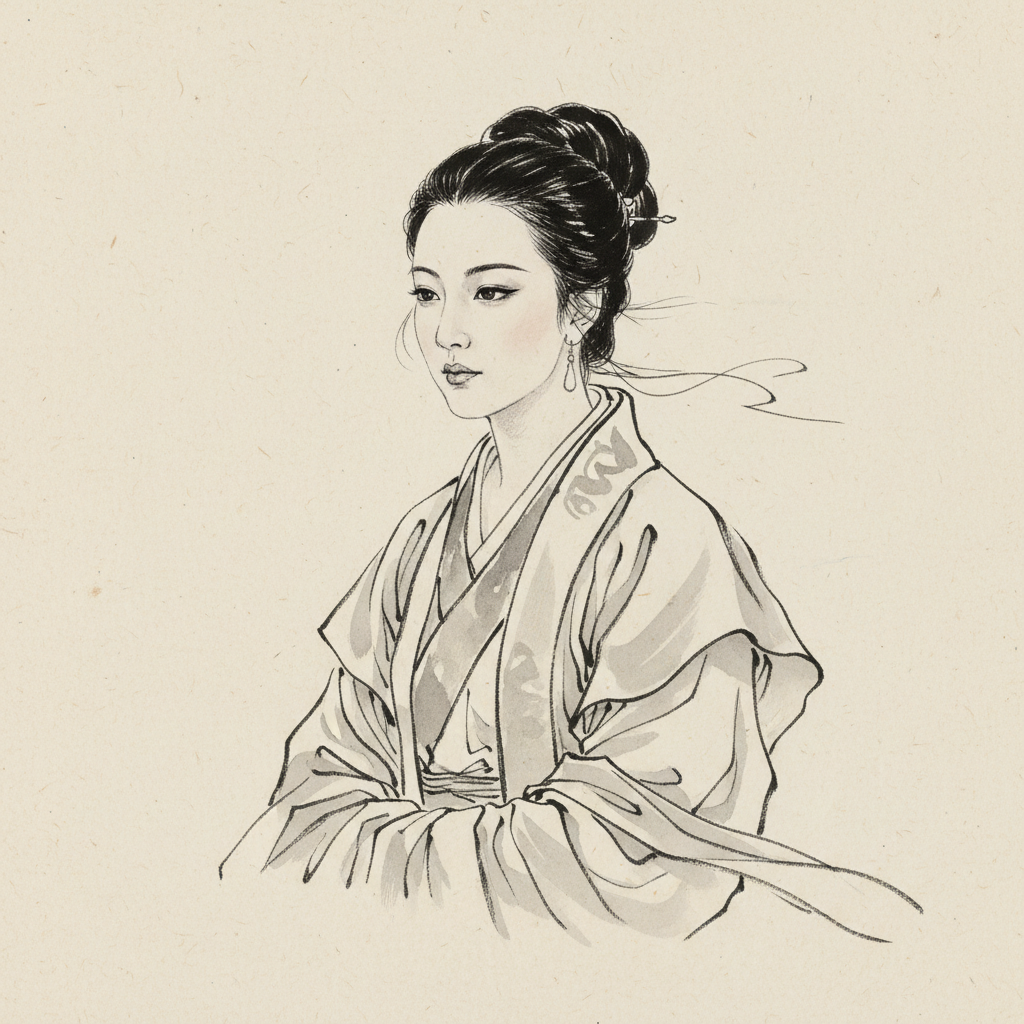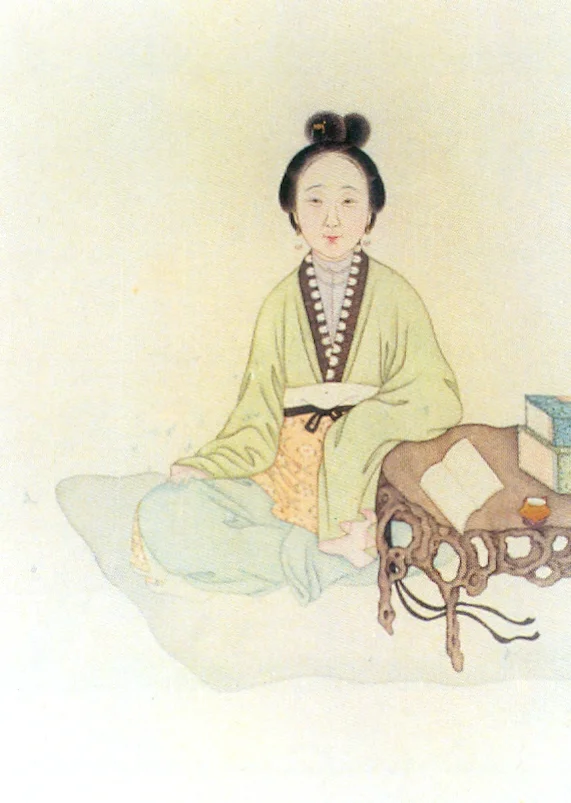
A celebrated late-Ming courtesan whose beauty and relationships became entwined with dynasty collapse and Qing conquest legends.
對話開場白
人生歷程
Chen Yuanyuan was likely born in the Jiangnan region as the Ming dynasty faced fiscal strain and frontier wars. Later accounts disagree on her exact birthplace and family status, reflecting how courtesans were recorded through rumor and patrons’ memoirs.
As a young girl she was trained in singing, poetry, and refined manners typical of elite courtesan houses in Jiangnan cities. Such training connected performers to scholar-official salons where art, patronage, and political gossip overlapped in late Ming society.
By her mid-teens she was praised for beauty and artistry, becoming a sought-after presence in literati gatherings. Writers and patrons circulated stories about her talent, creating a public image that later histories amplified far beyond verifiable fact.
Accounts place her among households and networks linked to prominent officials and military figures during the Chongzhen reign. In a time of rebellions and court factionalism, entertainers often traveled with patrons, making their lives vulnerable to sudden political reversals.
Later tradition links Chen Yuanyuan to Wu Sangui, a key Ming commander stationed near the northeastern frontier. Whether as concubine, companion, or famed beauty admired from afar, the connection became central to stories explaining Wu’s later, fateful choices.
In 1644, rebel forces led by Li Zicheng entered Beijing and the Chongzhen Emperor died, ending effective Ming rule in the north. Popular narratives claim Chen was seized during the chaos, turning her into a dramatic emblem of personal loss amid national catastrophe.
Wu Sangui’s decision at Shanhai Pass to align with Qing forces under Prince Dorgon against Li Zicheng reshaped China’s political future. Later retellings framed the choice as driven by outrage over Chen’s alleged abduction, though historians treat this as moralizing folklore.
As Qing armies consolidated control, many households connected to former Ming elites were resettled or absorbed into new patronage systems. Chen’s movements are uncertain, but later sources place her traveling with Wu’s entourage as the frontier world turned into Qing provincial administration.
Wu Sangui rose as a powerful commander within the Qing, ruling through garrisons and local intermediaries across the southwest. In such militarized courts, a concubine or companion’s status depended on household politics, rival factions, and the shifting loyalties of commanders and officials.
Over time Chen appears less in credible records, while anecdotal accounts multiply in local gazetteers and private writings. The gap between documentation and storytelling allowed later authors to project onto her the era’s anxieties about betrayal, virtue, and the fall of the Ming.
By the late 1650s, Chen’s name circulated as shorthand for the dramatic entanglement of romance and statecraft. Literati used her story in poems and essays to debate responsibility for the Ming–Qing transition, often prioritizing moral lessons over factual precision.
With the Shunzhi Emperor’s death and the Kangxi era beginning, Qing authority strengthened while memories of Ming loyalism persisted. Stories about Chen and Wu offered a safe, indirect way to discuss treason, loyalty, and the costs of dynastic change under new censorship norms.
Wu Sangui launched a major uprising against the Qing in 1673, triggering years of war across southern and western China. Later storytellers revisited Chen’s earlier association with him to dramatize his ambition and instability, even when her actual role remained unclear.
Wu Sangui died in 1678 after proclaiming a new regime, and his family’s position rapidly deteriorated. Traditional narratives often depict Chen withdrawing into religious or quiet life, portraying seclusion as a moral counterpoint to the violence and opportunism of war.
Qing forces crushed the last resistance in 1681, bringing Yunnan fully under imperial control and punishing Wu’s remnants. In retrospective writing, Chen’s story was increasingly treated as a tragic prologue to these events, folding personal biography into state history.
By the late seventeenth century, play scripts and anecdotal collections refined her image into a stock figure: the famed beauty at the hinge of dynastic fate. The commercialization of opera and storytelling in Jiangnan helped standardize her legend for wider audiences.
Chen Yuanyuan’s death date is uncertain, and later sources provide conflicting timelines and burial claims. What endured was her cultural afterlife, as historians and dramatists repeatedly reinterpreted her as a mirror for ambition, desire, and the Ming–Qing rupture.