Informações rápidas
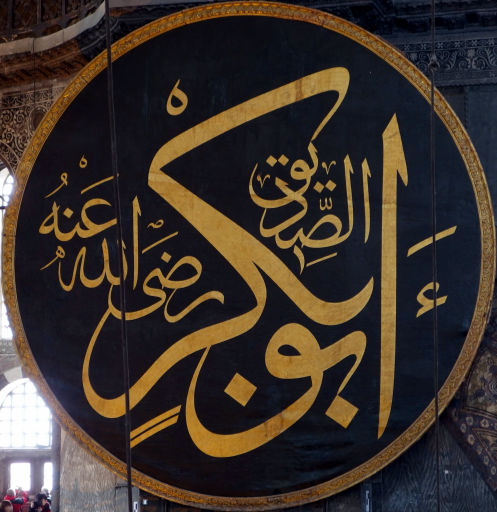
Companheiro de confiança de Maomé que guiou a primeira comunidade muçulmana durante crises, consolidação e o primeiro califado.
Iniciadores de conversa
Jornada de vida
Nascido como Abd Allah ibne Abi Quafá em Meca, entre a tribo dos coraixitas, cresceu no seio da aristocracia mercantil da cidade. Laços familiares e redes mequenses moldaram mais tarde a sua influência à medida que o Islão surgia no oeste da Arábia.
Ainda jovem, tornou-se conhecido pelo comércio honesto e por resolver disputas entre os mequenses, conquistando confiança entre diferentes clãs. As suas viagens comerciais ligaram-no a mercados mais amplos na Arábia e reforçaram o seu prestígio na sociedade coraixita.
Quando Maomé começou a pregar em Meca, Abu Bakr aceitou o Islão desde cedo e apoiou publicamente a nova comunidade. A sua credibilidade social deu visibilidade à mensagem e ofereceu proteção a convertidos vulneráveis que enfrentavam pressão dos líderes coraixitas.
Usou a sua riqueza para ajudar muçulmanos visados por causa da fé, incluindo a compra e libertação de Bilal ibne Rabá. Esses atos sinalizaram solidariedade prática e ajudaram a comunidade a sobreviver à perseguição crescente em Meca.
Enquanto alguns muçulmanos procuravam refúgio no Reino de Axum, ajudou a organizar redes de apoio e recursos para famílias sob pressão. O agravamento do conflito com os coraixitas levou-o a planear uma base mais segura para o movimento em crescimento.
Acompanhou Maomé de Meca a Iatrebe, abrigando-se na Gruta de Taur enquanto perseguidores procuravam nas proximidades. A viagem tornou-se um símbolo de confiança e marcou o renascimento político da comunidade em Medina.
Durante o confronto em Badr, manteve-se próximo de Maomé e partilhou os perigos enfrentados pela pequena força medinense. A vitória fortaleceu o moral muçulmano e elevou companheiros-chave que mais tarde liderariam a expansão do poder político.
Em Uhud, o exército muçulmano sofreu pesadas perdas e confusão, e Abu Bakr permaneceu com os que se reagruparam em torno de Maomé. O episódio levou a comunidade a reavaliar disciplina, estratégia e lealdade face à hostilidade contínua de Meca.
Quando forças aliadas de Meca sitiaram Medina, ajudou a manter a linha defensiva enquanto os muçulmanos cavavam trincheiras em torno da cidade. O fracasso do cerco mudou o impulso a favor do Estado medinense e reduziu a capacidade dos coraixitas de impor condições.
Em Hudaibiya, apoiou a decisão de Maomé de aceitar uma trégua com os coraixitas, apesar da frustração de muitos seguidores. O acordo abriu espaço para diplomacia e conversões, transformando o Islão de um movimento sitiado numa força regional.
Quando os muçulmanos entraram em Meca com pouca ou nenhuma derramamento de sangue, participou no regresso à cidade que os expulsara anos antes. O acontecimento reorientou a política árabe quando a liderança coraixita aceitou a nova ordem centrada em Medina.
Foi incumbido de conduzir os ritos da peregrinação quando Maomé não presidiu pessoalmente, demonstrando elevada confiança no seu julgamento. A nomeação reforçou a continuidade administrativa enquanto tribos árabes celebravam tratados com o Estado de Medina.
Após a morte de Maomé em Medina, líderes reuniram-se em Saqifa para evitar a fragmentação entre os ansar e os muajirun. Com o apoio de Umar ibne Alcatabe e de outros, Abu Bakr recebeu o juramento de lealdade como califa para preservar a unidade.
Perante deserções tribais e pretendentes como Musailima em Iamama, ordenou campanhas para restaurar a lealdade a Medina. As guerras reafirmaram a autoridade central e asseguraram a coesão da península antes do início da expansão externa.
Depois de muitos recitadores do Alcorão morrerem em batalha, Umar defendeu uma recolha escrita para proteger o texto de perdas. Abu Bakr encarregou Zaide ibne Tábite de reunir manuscritos e testemunhos orais, formando um códice de referência para a comunidade.
À medida que a doença avançava, consultou companheiros de destaque e nomeou Umar ibne Alcatabe para guiar o Estado após a sua morte. Morreu em Medina e foi sepultado perto de Maomé, deixando um modelo de governo frugal e liderança em tempos de crise.