Quick Facts
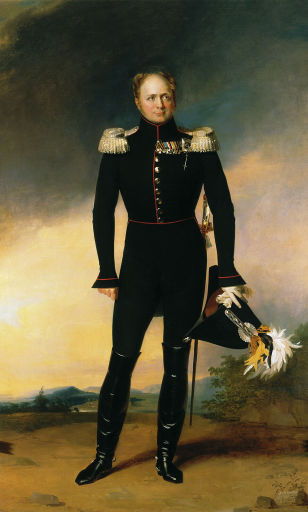
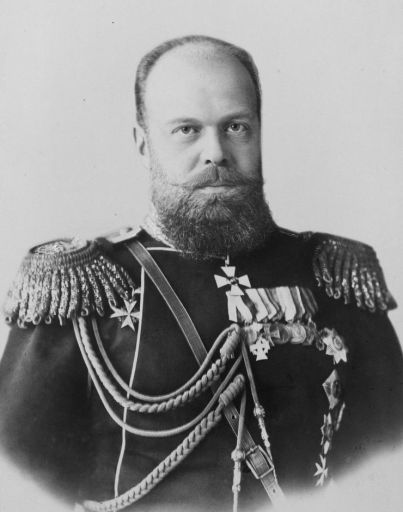
A formidable Russian emperor who prized stability, strengthened autocracy, and pursued cautious diplomacy after his father’s assassination.
Conversation Starters
Life Journey
Born at the Winter Palace to Tsar Alexander II and Empress Maria Alexandrovna, he entered a court shaped by reform and unrest. His upbringing mixed strict Orthodox ceremony with lessons in history, languages, and military drill.
In the shadow of Russia’s Crimean War defeat, tutors emphasized discipline and army values to strengthen the heir’s character. He trained with guards units and absorbed a worldview skeptical of liberal experiments and foreign influence.
When Tsarevich Nicholas Alexandrovich died in Nice, Alexander unexpectedly became the heir apparent. The sudden change pushed him into statecraft and intensified pressure to embody Romanov authority and continuity.
He became engaged to Princess Dagmar, later Maria Feodorovna, strengthening ties with the Danish royal house. The match also linked Russia to European dynastic networks amid shifting alliances after German unification.
Married at the Imperial Court and quickly presented an image of family solidity to the public and nobility. Maria’s poise and connections helped shape court life while Alexander developed a guarded, security-minded temperament.
During the Russo-Turkish War, he held senior responsibilities and observed the costs of mobilization and logistics firsthand. The conflict’s Balkan politics reinforced his caution about adventures that could destabilize the empire.
As revolutionary violence escalated, he resisted proposals that would dilute autocracy through representative institutions. He drew closer to conservative advisers who argued that security, Orthodoxy, and centralized power were inseparable.
After Alexander II was killed by People’s Will bombers, he became emperor amid shock and fear in the capital. He rejected the late tsar’s tentative constitutional plans and prepared a harsh crackdown on revolutionary networks.
With Konstantin Pobedonostsev’s influence, he proclaimed that autocracy was divinely ordained and politically necessary. The manifesto set the tone for counter-reforms, tighter censorship, and expanded police surveillance across the empire.
His government expanded the Okhrana and empowered governors to use emergency measures against suspected radicals. These tools reduced open revolutionary activity but deepened resentment among students, workers, and the intelligentsia.
The 1884 University Statute curtailed institutional autonomy and placed campuses under stricter ministerial and police oversight. Officials targeted student circles and publications, fearing they incubated socialism and nihilist terrorism.
Finance Minister Nikolai Bunge pursued cautious reforms, including labor measures and fiscal adjustments to stabilize state revenues. Alexander backed modernization that strengthened the state, while resisting political liberalization tied to it.
The imperial train derailed near Borki, and the family narrowly escaped death in a violent crash. The disaster became a propaganda symbol of providence, but it also worsened his health and fueled later kidney problems.
He approved the Trans-Siberian Railway to bind the empire’s vast territories and accelerate trade and troop movement. The project signaled strategic anxiety in Asia and confidence in state-led development, later overseen by his son.
Diplomacy underlined caution and balance-of-power politics, culminating in a rapprochement with France. Naval visits and negotiations laid groundwork for alliance commitments that countered German-led blocs in Europe.
Suffering from severe kidney disease, he retreated with his family as doctors sought relief in milder climates. Court life shifted toward succession planning as Nicholas and leading ministers prepared for an uncertain transition.
He died at the Livadia Palace, and Nicholas II inherited an empire strained by social change and political repression. His death ended an era of conservative consolidation that left unresolved tensions for the next reign.