Quick Facts
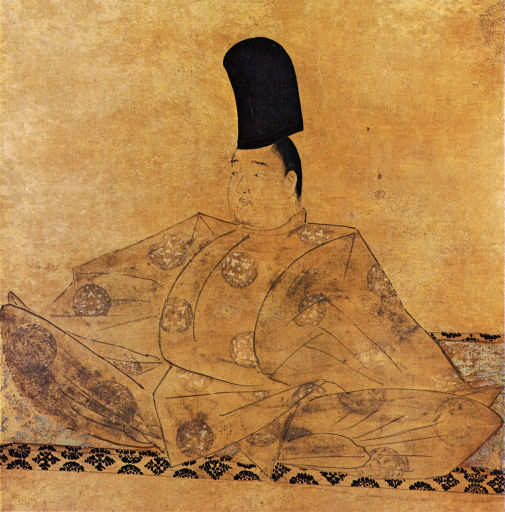
Exiled poet-emperor who challenged shogunal rule, refined waka aesthetics, and shaped Japan’s courtly culture through turbulent politics.
Conversation Starters
Life Journey
Born in Kyoto amid the Genpei War between the Taira and Minamoto clans. The upheaval around the imperial court shaped his early worldview as military power eclipsed aristocratic authority.
As factions at court shifted, he was positioned as an imperial heir to restore continuity. Kyoto’s politics were tense as news from battlefronts influenced appointments and alliances.
He became emperor as a young child, with senior courtiers and cloistered rulers directing governance. The throne’s prestige remained high, yet real power increasingly flowed to warrior leaders outside Kyoto.
After the Taira were defeated, Minamoto Yoritomo consolidated authority through the Kamakura-based military administration. The court in Kyoto had to adapt to a new balance where imperial orders competed with shogunal command.
Yoritomo’s formal appointment as shogun clarified the dual structure of rule between Kyoto and Kamakura. Go-Toba learned that ceremonial sovereignty could not easily restrain the emerging samurai institutions.
He abdicated and became a retired emperor, continuing to influence affairs through the insei system. From Kyoto, he sought to strengthen court finances and authority despite Kamakura’s growing leverage.
Yoritomo’s death triggered power struggles among the Hojō regents in Kamakura. Go-Toba watched closely, hoping divisions within the shogunate might allow the court to reclaim initiative.
He sponsored major waka gatherings that drew leading poets and courtiers into competitive composition. These salons reinforced Kyoto’s cultural authority, turning poetic judgment into a form of political and social prestige.
He ordered the compilation of the Shin Kokin Wakashu, selecting editors such as Fujiwara no Teika to refine its aesthetic. The anthology aimed to renew classical ideals while showcasing a court still capable of setting national taste.
He prized Teika’s brilliance yet imposed exacting standards and frequent revisions. Their exchanges reveal how poetic authority functioned like governance, with the retired emperor asserting taste as a kind of command.
Beyond poetry, he cultivated calligraphy and an interest in swords, linking refinement with martial symbolism. These pursuits projected an image of an emperor capable of both elegant culture and warrior-like resolve.
As Hojō leadership consolidated, the court’s room to maneuver narrowed despite careful diplomacy. Go-Toba attempted to build alliances among nobles and temples while gauging Kamakura’s readiness for confrontation.
He called for resistance against the Kamakura shogunate, rallying court nobles and some warrior houses. Hojō Masako and Hojō Yoshitoki mobilized shogunal forces, defeating the court in a swift campaign that reshaped governance.
After the court’s defeat, he was detained and his political network dismantled. The shogunate imposed harsh settlements on Kyoto, strengthening regency control and curbing the insei system’s reach.
He was banished to the remote Oki Islands, severed from the ceremonial life of Kyoto. In exile he continued to write, reflecting on legitimacy and loss while maintaining the discipline of courtly artistic practice.
On Oki, he sustained a small household and produced waka that fused political grief with spiritual introspection. His writing kept Kyoto’s refined literary standards alive even as the shogunate’s institutions dominated the mainland.
The shogunate’s governance matured, including codified legal norms that reduced the court’s leverage. Go-Toba’s exile underscored the new order: cultural prestige persisted, but coercive authority belonged to Kamakura.
He died on Oki after years of enforced distance from Kyoto’s court. His patronage and critical eye helped define the Shin Kokin style, ensuring his influence endured in Japanese literary history despite political defeat.