Quick Facts
A Persian Great King who stabilized a vast empire, balanced satrapal power, and managed tense relations with Greece and Egypt.
Conversation Starters
Life Journey
After Xerxes I was killed in a palace conspiracy, Artaxerxes secured the throne amid court turmoil at Persepolis. Ancient accounts link the crisis to Artabanus and rival princes, forcing swift decisions to prevent civil war.
He moved quickly to confirm loyal officials and reassert royal control over key satrapies from Asia Minor to Mesopotamia. Royal patronage and punishments signaled that the Achaemenid center at Susa expected obedience and tribute.
In Egypt, the Libyan prince Inaros led a major uprising that drew in local elites and threatened Persian garrisons. The revolt turned the Nile Delta into a strategic crisis, inviting Athenian support against Persian authority.
Athenian forces sailed to Egypt and fought alongside Inaros, linking Persian imperial politics to the wider Greek world. The intervention aimed to weaken Persia’s revenues and prestige after earlier wars in the Aegean.
Artaxerxes entrusted the experienced general and satrap Megabyzus with restoring control in Egypt. The campaign required coordinating troops, supplies, and naval forces across long distances from Syria and Mesopotamia into the Delta.
Persian forces pressed the Athenians and their allies through hard campaigning and sieges, exploiting the logistical challenges of fighting on the Nile. The conflict showcased Achaemenid resilience after earlier setbacks against Greek coalitions.
Megabyzus’s forces crushed the main Athenian contingent, ending a costly foreign intervention and reasserting Persian dominance in Egypt. The disaster shocked Athens and helped shift its strategic focus back toward the Aegean and its allies.
Following continued clashes around Cyprus and the eastern Mediterranean, Artaxerxes’s court sought a steadier balance with the Greek city-states. Greek writers later associated this period with a so-called Peace of Callias, though details remain debated.
The reign emphasized predictable revenues from satrapies, with officials overseeing taxation and communications on the Royal Road. By reinforcing procedures rather than constant conquest, the court aimed to keep a multiethnic empire governable and profitable.
Biblical tradition portrays Nehemiah, a royal cupbearer, receiving permission to travel and govern in Yehud under imperial auspices. The mission reflects Persian use of local elites and controlled autonomy to secure loyalty on the western frontier.
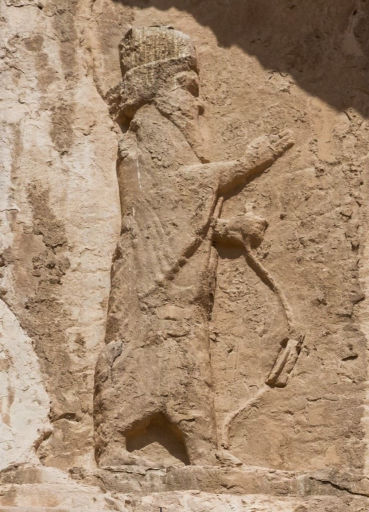
Artaxerxes maintained Achaemenid ceremonial life through palace administration, artisans, and record-keeping at major centers. Susa and Persepolis remained symbols of royal legitimacy, where gifts, audiences, and ritual reinforced hierarchy and order.
The monarchy navigated tensions with high-ranking figures whose regional power could rival the center. Balancing rewards, marriages, and occasional removals helped prevent satrapal independence while keeping skilled commanders available for crises.
As Athens and Sparta drifted toward deeper hostility, Persian officials watched for ways to limit any single Greek power. The court’s long-term interest lay in encouraging division, ensuring the Aegean remained a buffer rather than a threat.
In Asia Minor, coastal cities and inland dynasts required constant oversight to keep revenues flowing and ports secure. Persian administration relied on local intermediaries, garrisons, and negotiations to prevent revolts spreading across Ionia and Caria.
Royal messengers and road stations supported rapid orders between Susa and the western provinces, a core advantage of Achaemenid rule. Keeping these networks funded and protected helped the king respond quickly to rebellion, war, and succession risks.
Artaxerxes I died after a long reign, and the throne passed into a tense succession that later sources describe as unstable. The transition revealed how palace politics could rapidly reshape imperial policy even when provincial administration remained intact.