Quick Facts
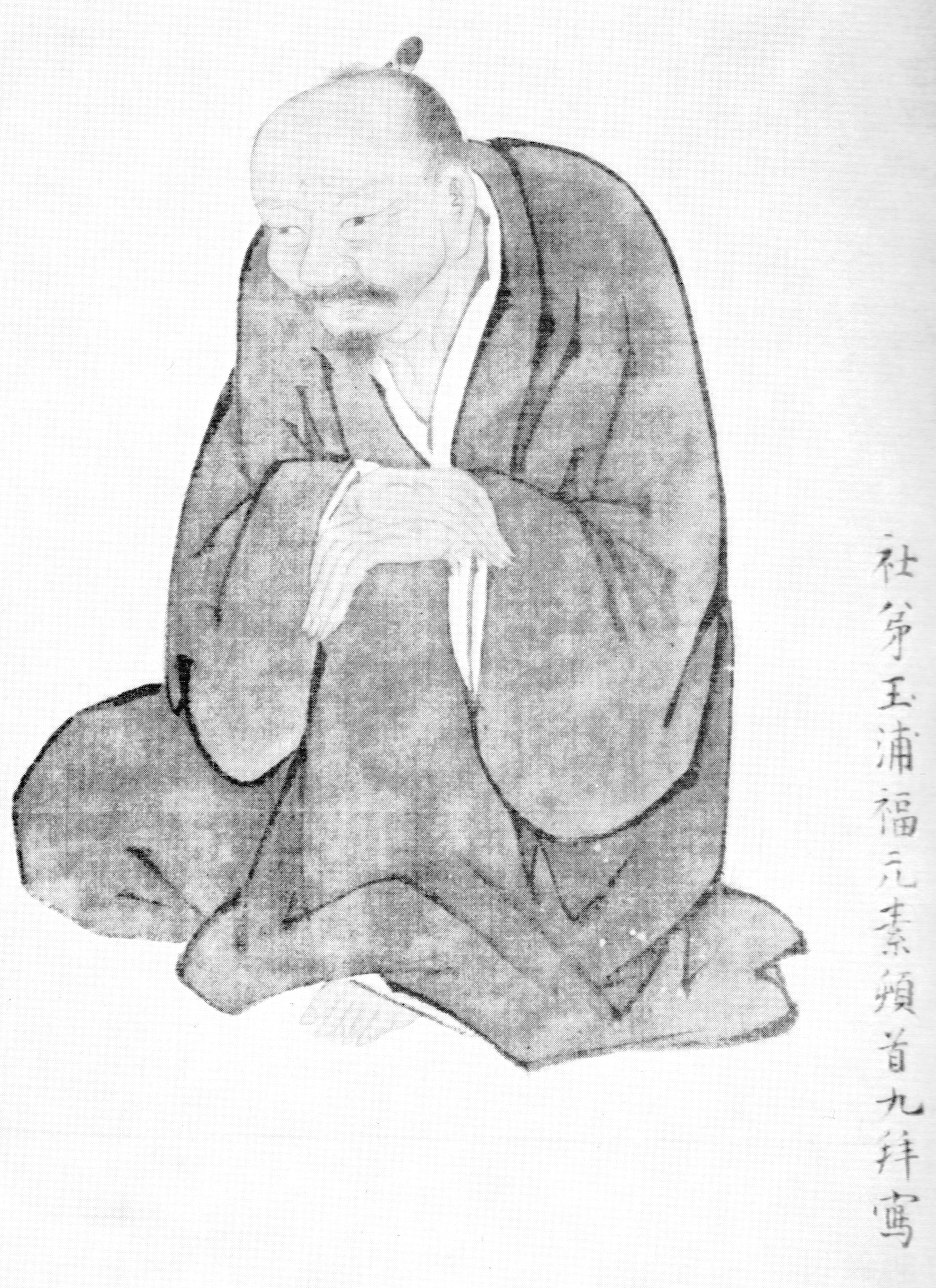
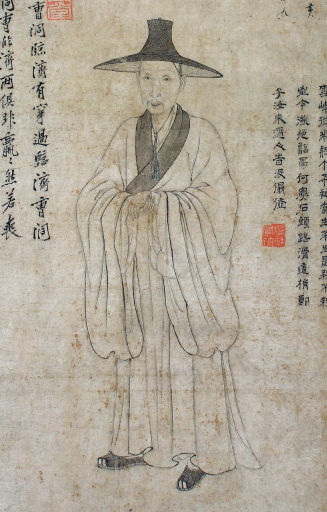
A Ming royal-turned-monk painter whose spare ink birds and fish became defiant symbols of loyalist grief.
Conversation Starters
Life Journey
Zhu Da was born into the princely branch of the Ming imperial family in Nanchang, Jiangxi. Growing up under late-Ming court culture, he absorbed classical learning and painting ideals that later clashed with Qing rule.
As a boy in Nanchang, he trained in calligraphy, poetry, and ink painting within elite family circles. Exposure to orthodox models and clan history fostered a strong sense of identity and lineage responsibility.
In 1644 the Ming fell amid rebellion and Manchu conquest, ending the political world that had defined his family’s status. The turmoil set the stage for his lifelong loyalist grief and the coded restraint of his later imagery.
As Qing authority tightened, members of the Ming imperial clan faced surveillance, displacement, and danger. Zhu Da lived with the insecurity of a fallen house, an experience that deepened his withdrawal from public life.
Seeking refuge from political peril, he became a Buddhist monk and adopted religious discipline. Monastic settings offered safety and a space to turn grief into ink practice, meditation, and austere self-fashioning.
Within Jiangxi’s monasteries, he painted for patrons, friends, and fellow clerics, refining a direct brush style. These exchanges helped him survive materially while building a reputation for unusual, sharply expressive forms.
He increasingly favored birds, fish, lotus, and rocks rendered with minimal strokes and dramatic blank space. The subjects carried double meanings—playful surfaces masking loyalist sorrow and skepticism toward worldly power.
He used the name 'Bada Shanren' on paintings, calligraphy, and seals, crafting a deliberately enigmatic identity. The odd phrasing and presentation allowed him to speak obliquely in a risky era while signaling separation from court life.
His works from this period emphasize abrupt contours, tilted eyes in birds, and quiet but confrontational compositions. Collectors in Jiangxi recognized the voice of a displaced prince, even when the images avoided direct political statements.
As his fame grew, he interacted more with local gentry collectors and connoisseurs around Nanchang. These contacts expanded the audience for his paintings and encouraged the bold calligraphic inscriptions that frame many surviving works.
His inscriptions combine archaic references with idiosyncratic spacing, turning text into a visual counterpoint to image. Seals and signatures became integral to composition, reinforcing his controlled spontaneity and cultivated strangeness.
Albums and hanging scrolls attributed to Bada Shanren moved through gentry hands and studio gatherings in Jiangxi. The combination of minimal brushwork and psychological intensity distinguished him from orthodox, court-oriented painters.
He painted fish with compressed bodies and birds with exaggerated, sideways eyes that seem to judge the viewer. These motifs, paired with terse inscriptions, conveyed alienation and defiance without naming the Qing state directly.
In his later years, he relied on fewer strokes, stronger contrasts, and more daring blankness. Patrons valued the condensed power of these images, which fused Chan-inflected restraint with the emotional aftershock of dynastic loss.
By 1700, connoisseurs treated his paintings and calligraphy as touchstones of individualist expression in the early Qing. Careful mounting and collection practices in Jiangxi helped ensure his works survived as a coherent artistic persona.
Bada Shanren died in 1705, leaving a body of work that transformed simple creatures into carriers of history and feeling. Later artists looked to his compression, ambiguity, and brush energy as a model for modern literati freedom.